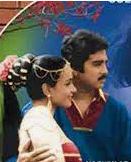
Poongatre Kelayo Lyrics
From the movie Solaikuyil
Poongatre Kelayo Song Lyrics is the track from Solaikuyil Tamil Film – 1989. This song was sung by கே. எஸ். சித்ரா. The music was composed by M. S. Murari.
Track Credits & Star Cast
Poongaattrae kaelaayoo oo oo oo Solaikuyil nenjukkullae
Sogam adhan kannukkullae Adhu thaniyaaga thavikkudhu ingae
Idhai arivaayoo siru malai kaatrae Thuyar theera oru vaarthai nee solla vaa
Solaikuyil nenjukkullae Sogam adhan kannukkullae
Adhu thaniyaaga thavikkudhu ingae Idhai arivaayoo siru malai kaatrae
Thuyar theera oru vaarthai nee solla vaa
Neela kuyilum nenju urugi Nimmadhiyum illamal koovudhaiyaa
Thulli thirinja pulli mayiloo Thunbam ennum mul melae aaduthaiyaa
Indha nilai ennaalum maaradhoo Yekkam idhu yaaraalum theeraadhoo
Ini unai kaana maru jenmam uruvaagumoo
Solaikuyil nenjukkullae Sogam adhan kannukkullae
Adhu thaniyaaga thavikkudhu ingae Idhai arivaayoo siru malai kaatrae
Thuyar theera oru vaarthai nee solla vaa
Ullukkullaiyae oomai azhudhaal Ooru sanam ariyaadhu unmaiyilae
Andha vizhiyil naanum azhudhaa Aarudhalum yaar solvaar vaazhkaiyilae
Pirappadhu nammoda vidhiyaagum Irappadhu avanodu mudivaaagum
Idhil yaar meedhum kurai solla mudiyaadhaiyaa
Solaikuyil nenjukkullae Sogam adhan kannukkullae
Adhu thaniyaaga thavikkudhu ingae Idhai arivaayoo siru malai kaatrae
Thuyar theera oru vaarthai nee solla vaa
Song Meaning & Analysis
The song "Poongatre Kelayo" from the movie 'Solaikuyil' is a poignant plea from a heartbroken individual to nature, specifically a gentle mountain breeze, to understand and alleviate their profound sorrow. The lyrics use the metaphor of a 'forest cuckoo' (Solaikuyil) and a 'spotted peacock' to represent the speaker's deep anguish and suffering. The cuckoo, typically a symbol of love and longing, is depicted here as having a heart full of sorrow and eyes filled with tears, crying out without peace. The peacock, usually associated with joy and beauty, is shown dancing on thorns of sorrow, highlighting the contrast between its natural state and its current suffering. The speaker questions if their painful situation will ever change and if their intense longing can ever be resolved, even contemplating rebirth just to see their beloved.
The song delves into themes of unspoken grief and the inevitability of fate. The lines about a mute person crying within, unknown to others, powerfully convey the speaker's internal, unexpressed pain and the lack of solace in their life. This emphasizes a sense of isolation and despair, where even if they were to cry out, no one would offer comfort. The concluding lines reflect a philosophical acceptance of destiny, stating that birth is fate and death is God's decision, implying that their current suffering is also part of a larger, unchangeable plan, thus making it impossible to blame anyone for their plight. The repeated plea to the breeze underscores the desperate search for understanding and a glimmer of hope amidst overwhelming sadness.
Frequently Asked Questions
Who is the singer of Poongatre Kelayo?
Poongatre Kelayo is sung by கே. எஸ். சித்ரா.
Which movie is Poongatre Kelayo from?
The song Poongatre Kelayo is featured in the movie Solaikuyil.
Who wrote the lyrics for Poongatre Kelayo?
The lyrics for Poongatre Kelayo were written by Unknown with music composed by M. S. Murari.
Is English translation available for Poongatre Kelayo lyrics?
Yes! Poongatre Kelayo lyrics from Solaikuyil include line-by-line English translation, English transliteration, and native Tamil script on Lyricsverse.
What is the meaning of Poongatre Kelayo lyrics?
The song "Poongatre Kelayo" from the movie 'Solaikuyil' is a poignant plea from a heartbroken individual to nature, specifically a gentle mountain breeze, to understand and alleviate their profound sorrow. The lyrics use the metaphor of a 'forest cuckoo' (Solaikuyil) and a 'spotted peacock' to represent the speaker's deep anguish and suffering. The cuckoo, typically a symbol of love and longing, is depicted here as having a heart full of sorrow and eyes filled with tears, crying out without peace. The peacock, usually associated with joy and beauty, is shown dancing on thorns of sorrow, highlighting the contrast between its natural state and its current suffering. The speaker questions if their painful situation will ever change and if their intense longing can ever be resolved, even contemplating rebirth just to see their beloved. The song delves into themes of unspoken grief and the inevitability of fate. The lines about a mute person crying within, unknown to others, powerfully convey the speaker's internal, unexpressed pain and the lack of solace in their life. This emphasizes a sense of isolation and despair, where even if they were to cry out, no one would offer comfort. The concluding lines reflect a philosophical acceptance of destiny, stating that birth is fate and death is God's decision, implying that their current suffering is also part of a larger, unchangeable plan, thus making it impossible to blame anyone for their plight. The repeated plea to the breeze underscores the desperate search for understanding and a glimmer of hope amidst overwhelming sadness.
Song Details
More from Solaikuyil
Chinnansirusugal Kannam
Solaikuyil • M. S. Murari
உமா ஷங்கர் மற்றும் பிரபாகர்
Kannula Nikkudhu Nenjula
Solaikuyil • M. S. Murari
கே. எஸ். பாலசுப்ரமண்யம் மற்றும் லலிதா
Karugamani Iru Saradu
Solaikuyil • M. S. Murari
கே. எஸ். சித்ரா மற்றும் பிரபாகர்
Kottunga Ketti Melam
Solaikuyil • M. S. Murari
எஸ். பி. பாலசுப்ரமண்யம்
Malainattu Machane
Solaikuyil • M. S. Murari
கே. எஸ். சித்ரா
Vasantha Poongatre Konjam
Solaikuyil • M. S. Murari
எஸ். பி. பாலசுப்ரமண்யம்