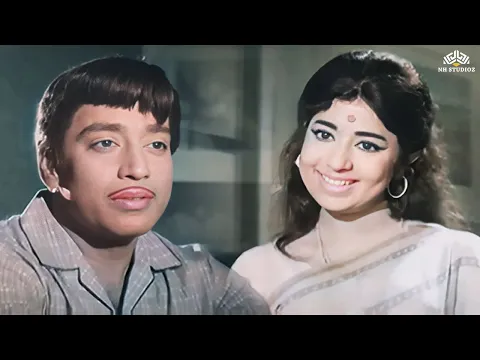
Radhayin Nenjame Lyrics
From the movie Kanimuthu Paappa
Radhayin Nenjame Song Lyrics is the track from Kanimuthu Paappa Tamil Film – 1972, Starring Jaishankar, R. Muthuraman, Lakshmi, Jaya Guhanathan, Rajyalakshmi, Sridevi, S. N. Lakshmi, Vijayasree, S. V. Ramadas, Suruli Rajan. This song was sung by பி. சுஷீலா. The music was composed by T. V. Raju.
Track Credits & Star Cast
Music & Lyrics
Singers
Star Cast


Raadhaiyin nenjamae Kannanukku sondhamae
Raadhaiyin nenjamae Kannanukku sondhamae
Raadhaiyin nenjamae
Aayiram kanavugal kalyaana naalilae
Aayiram kanavugal kalyaana naalilae Aanandha ninaivugal anbu konda uravilae
Vasantha kaala thaeril vandhu Vaazhthu koorum thendralae
Vasantha kaala thaeril vandhu Vaazhthu koorum thendralae
Raadhaiyin nenjamae Kannanukku sondhamae
Raadhaiyin nenjamae
Vaazhvinil oli tharum deebathai yettruven
Vaazhvinil oli tharum deebathai yettruven Kovilai polavae kudumbathai pottruven
Maalaiyitta mannanodu Manam niraindhuvaazhuven
Maalaiyitta mannanodu Manam niraindhuvaazhuven
Raadhaiyin nenjamae Kannanukku sondhamae
Raadhaiyin nenjamae
Song Meaning & Analysis
The song "Radhayin Nenjame" is a beautiful expression of a woman's devotion and aspirations in marriage, drawing parallels to the eternal love of Radha and Krishna. The lyrics portray the bride's heart as belonging entirely to her beloved, much like Radha's heart is dedicated to Krishna. It speaks of the myriad dreams and joyful memories associated with the wedding day and the loving bond, personifying the gentle breeze as a harbinger of blessings for this new journey. The imagery evokes a sense of purity, commitment, and romantic idealism.
The second paragraph delves into the bride's vows and future intentions. She pledges to be the light of her home, likening her family to a sacred temple that she will cherish and protect. Her commitment to her husband, referred to as the "king who garlanded" her, is profound, promising a life lived with a full and contented heart. The song beautifully encapsulates the traditional values of marital fidelity, domestic bliss, and the sacredness of the marital bond, all wrapped in a tender, melodious package.
Frequently Asked Questions
Who is the singer of Radhayin Nenjame?
Radhayin Nenjame is sung by பி. சுஷீலா.
Which movie is Radhayin Nenjame from?
The song Radhayin Nenjame is featured in the movie Kanimuthu Paappa.
Who wrote the lyrics for Radhayin Nenjame?
The lyrics for Radhayin Nenjame were written by Unknown with music composed by T. V. Raju.
Is English translation available for Radhayin Nenjame lyrics?
Yes! Radhayin Nenjame lyrics from Kanimuthu Paappa include line-by-line English translation, English transliteration, and native Tamil script on Lyricsverse.
What is the meaning of Radhayin Nenjame lyrics?
The song "Radhayin Nenjame" is a beautiful expression of a woman's devotion and aspirations in marriage, drawing parallels to the eternal love of Radha and Krishna. The lyrics portray the bride's heart as belonging entirely to her beloved, much like Radha's heart is dedicated to Krishna. It speaks of the myriad dreams and joyful memories associated with the wedding day and the loving bond, personifying the gentle breeze as a harbinger of blessings for this new journey. The imagery evokes a sense of purity, commitment, and romantic idealism. The second paragraph delves into the bride's vows and future intentions. She pledges to be the light of her home, likening her family to a sacred temple that she will cherish and protect. Her commitment to her husband, referred to as the "king who garlanded" her, is profound, promising a life lived with a full and contented heart. The song beautifully encapsulates the traditional values of marital fidelity, domestic bliss, and the sacredness of the marital bond, all wrapped in a tender, melodious package.
Music Video
Song Details
More from Kanimuthu Paappa

Chithi Sollu Sollu
Kanimuthu Paappa • T. V. Raju
எஸ். ஜானகி மற்றும் ஜோதி கண்ணா
Chithii Chollu Chollu
Kanimuthu Paappa • T. V. Raju
பி. சுஷீலா மற்றும் ஜோதி கண்ணா
Ezhumalai Vasa Emaiyalum
Kanimuthu Paappa • T. V. Raju
பி. சுஷீலா மற்றும் ஜோதி கண்ணா
Ezhumalai Vasa Sad
Kanimuthu Paappa • T. V. Raju
பி. சுஷீலா மற்றும் ஜோதி கண்ணா

Kalangale Kalangale Kadhal Isai
Kanimuthu Paappa • T. V. Raju
எஸ். பி. பாலசுப்ரமண்யம் மற்றும் சரளா

Kalangale Kalangale Kathal
Kanimuthu Paappa • T. V. Raju
எஸ். பி. பாலசுப்ரமண்யம் மற்றும் சரளா