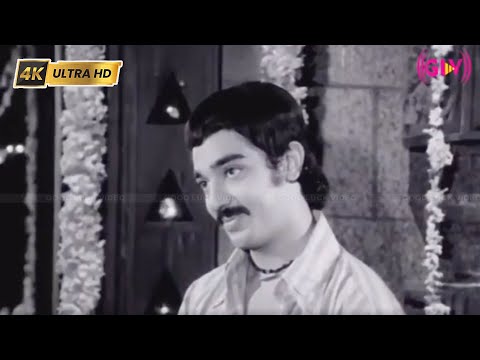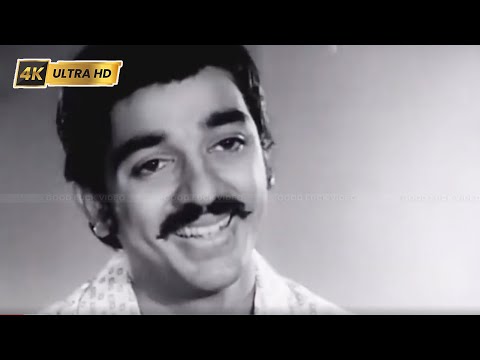
Ramanum Neeye Lyrics
From the movie Uyarnthavargal
Ramanum Neeye Song Lyrics is the track from Uyarnthavargal Tamil Film – 1977, Starring Kamal Haasan, Sujatha, Thengai Srinivasan, Srikanth, Pandari Bai, Sridhar, Typist Gopu, Loose Mohan, Sanjeev Kumar, Prem Nazir. This song was sung by டாக்டர். பாலமுரளிகிருஷ்ணன். The music was composed by Shankar Ganesh. Lyrics works penned by Kannadasan.
Track Credits & Star Cast
Music & Lyrics
Singers
Star Cast


Rama Krishna
Krishna Rama
Ramanum neeyae krishnannum neeyae Radhaiyin vadivam seedhaiyin thaayae
Ramanum neeyae krishnannum neeyae Radhaiyin vadivam seedhaiyin thaayae
Naadhanin dharisanam kodhaiyin yogam Srirama seethaa naan paadum raagam
Jeyajeya ram jeya jeya seethaaram Jeyajeya ram jeya jeya seethaaram
Ramanum neeyae krishnannum neeyae Radhaiyin vadivam seedhaiyin thaayae
Paranthaaman vilaiyaattil Pullaanguzhal avan maarbil
Radhavin ilanthaar kuzhal Kann paarkkum paarvaikku vaarththaiyillai
Kannaa un kalaithaanae kadhal kalai
Jeyajeya ram jeya jeya seethaaram Jeyajeya ram jeya jeya seethaaram
Ramanum neeyae krishnannum neeyae Radhaiyin vadivam seedhaiyin thaayae
Raguraman mithilaikku varum naal edhu
Vaithegi vaazhnaalil thirunaal adhu
Maharajan mugapaavam aval kaanbathu
Jeyajeya ram jeya jeya seethaaram Jeyajeya ram jeya jeya seethaaram
Ramanum neeyae krishnannum neeyae Radhaiyin vadivam seedhaiyin thaayae
Naal vedham avanaaga uruvaanathu Naalaagum gunam penmai vadivaanathu
Naal vedham avanaaga uruvaanathu Naalaagum gunam penmai vadivaanathu
Nampikkai kondaarkku avanae pillai Nampikkai kondaarkku avanae pillai
Nampikkai thanthaarkku avanae ellai
Song Meaning & Analysis
The song 'Ramanum Neeye' is a profound devotional hymn that beautifully intertwines the identities of Lord Rama and Lord Krishna, portraying them as two manifestations of the same supreme divine being. It celebrates the oneness of the divine masculine and feminine, equating Rama with Krishna, and Radha with Sita's mother, emphasizing that all divine forms originate from the same source. The lyrics evoke a sense of deep devotion and spiritual longing, highlighting the joy and bliss found in contemplating the Lord's various forms and leelas (divine plays).
It further delves into specific aspects of both deities, such as Krishna's enchanting flute and Radha's love, and Sita's anticipation of Rama's arrival in Mithila. The song posits that the four Vedas are embodied in the Lord, and the four virtues are personified in womanhood, suggesting a holistic view of divinity. Ultimately, it conveys that for those who possess faith, the Lord is both a beloved child and the ultimate refuge, boundless and all-encompassing.
Frequently Asked Questions
Who is the singer of Ramanum Neeye?
Ramanum Neeye is sung by டாக்டர். பாலமுரளிகிருஷ்ணன்.
Which movie is Ramanum Neeye from?
The song Ramanum Neeye is featured in the movie Uyarnthavargal.
Who wrote the lyrics for Ramanum Neeye?
The lyrics for Ramanum Neeye were written by Kannadasan with music composed by Shankar Ganesh.
Is English translation available for Ramanum Neeye lyrics?
Yes! Ramanum Neeye lyrics from Uyarnthavargal include line-by-line English translation, English transliteration, and native Tamil script on Lyricsverse.
What is the meaning of Ramanum Neeye lyrics?
The song 'Ramanum Neeye' is a profound devotional hymn that beautifully intertwines the identities of Lord Rama and Lord Krishna, portraying them as two manifestations of the same supreme divine being. It celebrates the oneness of the divine masculine and feminine, equating Rama with Krishna, and Radha with Sita's mother, emphasizing that all divine forms originate from the same source. The lyrics evoke a sense of deep devotion and spiritual longing, highlighting the joy and bliss found in contemplating the Lord's various forms and leelas (divine plays). It further delves into specific aspects of both deities, such as Krishna's enchanting flute and Radha's love, and Sita's anticipation of Rama's arrival in Mithila. The song posits that the four Vedas are embodied in the Lord, and the four virtues are personified in womanhood, suggesting a holistic view of divinity. Ultimately, it conveys that for those who possess faith, the Lord is both a beloved child and the ultimate refuge, boundless and all-encompassing.
Music Video