Sagara Sangamamthan Lyrics
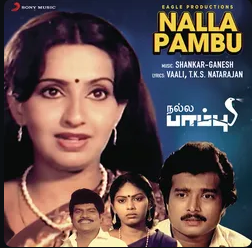
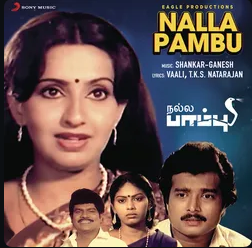
From the movie Nalla Pambu
Sagara Sangamamthan Song Lyrics is the track from Nalla Pambu Tamil Film – 1987. This song was sung by கே. எஸ். சித்ரா. The music was composed by Shankar Ganesh. Lyrics works penned by Vaali.
Track Credits & Star Cast
Music & Lyrics
Singers
Star Cast
Not Specified
Saagara sangamamthaan harae krishnaaa Sowntharya laahirithaan harae krishnaaa
En moganamthaan krishnaar bhaanamthaan Idho idho radha
Saagara sangamamthaan harae krishnaaa Sowntharya laahirithaan harae krishnaaa
En moganamthaan krishnaar bhaanamthaan Idho idho radha
Venirkaalam vanthaal Intha viragam naragamaagum
Veppam yaera ammammaa Vasantham kasanthu pogum
Somabhaanam oorum mella Sivantha idhazhin oram
Undaal pothum bodhaithaan Unakkum enakkum yaerum
Gangai irukku kaalam muzhukka Kannan kudhiththu neechchal adikka
Saagara sangamamthaan harae krishnaaa Sowntharya laahirithaan harae krishnaaa
En moganamthaan krishnaar bhaanamthaan Idho idho radha
Koyil theril paarthen
Inba kalaigal payilum kaatchi
Sirpam koorum ellaamae madhana radhiyin aatchi
Rajabogam vaaikkum nalla raigan rasigai kooda
Vellam pola santhosham Vazhinthu vazhinthu oda
Kannam irandum thiththithirukka Kannan udhadu muththam padhikka
Saagara sangamamthaan harae krishnaaa Sowntharya laahirithaan harae krishnaaa
En moganamthaan krishnaar bhaanamthaan Idho idho radha
Song Meaning & Analysis
The song "Sagara Sangamamthan" from the 1987 film 'Nalla Pambu' is a passionate declaration of love, using rich devotional and classical imagery to describe intense romantic desire and union. The lyrics metaphorically equate the lovers' meeting to a "confluence of oceans" (Sagara Sangamam) and their beauty and bliss to "Soundarya Lahari," a hymn praising divine beauty. The singer expresses that her enchantment and desire are an offering, much like devotion to Krishna, and calls out to her beloved, Radha, implying a deep, almost spiritual connection in their love. The recurring "Hare Krishna" chant further elevates the romantic sentiment to a divine plane.
The verses delve into the longing and anticipation of physical intimacy. The fear of separation turning summer into hell and spring into bitterness highlights the intensity of their yearning. The imagery of "soma rasa" oozing from crimson lips and intoxicating both lovers, along with Krishna swimming in the Ganges, paints a vivid picture of sensual pleasure and eternal love. The reference to temple chariots and sculptures depicting the "reign of Manmatha and Rati" (the Hindu god and goddess of love) further emphasizes the celebration of physical love as a divine art. The song culminates in the vision of overflowing happiness and tender kisses, portraying a complete and blissful union.
Frequently Asked Questions
Who is the singer of Sagara Sangamamthan?
Sagara Sangamamthan is sung by கே. எஸ். சித்ரா.
Which movie is Sagara Sangamamthan from?
The song Sagara Sangamamthan is featured in the movie Nalla Pambu.
Who wrote the lyrics for Sagara Sangamamthan?
The lyrics for Sagara Sangamamthan were written by Vaali with music composed by Shankar Ganesh.
Is English translation available for Sagara Sangamamthan lyrics?
Yes! Sagara Sangamamthan lyrics from Nalla Pambu include line-by-line English translation, English transliteration, and native Tamil script on Lyricsverse.
What is the meaning of Sagara Sangamamthan lyrics?
The song "Sagara Sangamamthan" from the 1987 film 'Nalla Pambu' is a passionate declaration of love, using rich devotional and classical imagery to describe intense romantic desire and union. The lyrics metaphorically equate the lovers' meeting to a "confluence of oceans" (Sagara Sangamam) and their beauty and bliss to "Soundarya Lahari," a hymn praising divine beauty. The singer expresses that her enchantment and desire are an offering, much like devotion to Krishna, and calls out to her beloved, Radha, implying a deep, almost spiritual connection in their love. The recurring "Hare Krishna" chant further elevates the romantic sentiment to a divine plane. The verses delve into the longing and anticipation of physical intimacy. The fear of separation turning summer into hell and spring into bitterness highlights the intensity of their yearning. The imagery of "soma rasa" oozing from crimson lips and intoxicating both lovers, along with Krishna swimming in the Ganges, paints a vivid picture of sensual pleasure and eternal love. The reference to temple chariots and sculptures depicting the "reign of Manmatha and Rati" (the Hindu god and goddess of love) further emphasizes the celebration of physical love as a divine art. The song culminates in the vision of overflowing happiness and tender kisses, portraying a complete and blissful union.