Selvame Deiveega Malare Lyrics
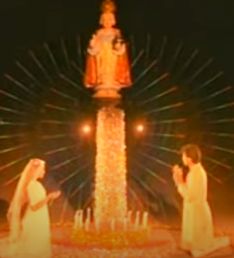
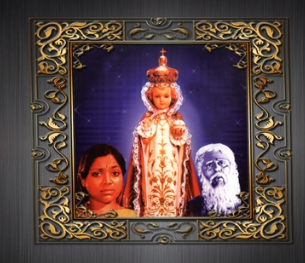
From the movie Kuzhandhai Yesu
Selvame Deiveega Malare Song Lyrics is the track from Kuzhandhai Yesu Tamil Film – 1984. This song was sung by பி. சுசீலா. The music was composed by Shyam. Lyrics works penned by Pulamaipithan.
Track Credits & Star Cast
Music & Lyrics
Singers
Star Cast
Not Specified
Rajaaaaaaaaaaaa… Devaaaaaaaaaaaa…
Nee varuvaai maamaniyae Kuzhanthai yesuvae
Selvamae dheiveega malarae Kuzhanthai yesuvae
Selvamae dheiveega malarae Kuzhanthai yesuvae
Mana irul neekkum maanikka vilakkae Madi meedhu vilaiyaada vaa
Selvamae dheiveega malarae Kuzhanthai yesuvae
Aaaaahaaaaaaaa Aaaaahaaaaaaaa
Aaaaaaaaaaa… Aahaaahaaahaaaha
{Thirumaganae Thirumaganae
Arul maganae Arul maganae
Manamenum mani oonjalil neeyaadavaa} (2)
Pudhiya vasantham en vaazhvil thondravae Pon vaana poomazhai nee pozhinthida vaa
Naan konda ennam eedaerum vannam Vaasal thedi vara vendumae
Selvamae dheiveega malarae Kuzhanthai yesuvae
Selvamae dheiveega malarae Kuzhanthai yesuvae
Vazhiyillaiyo… Vazhiyillaiyo…
Varamillaiyo Varamillaiyo
Manam tharum oru pillaiyai naan yaenthavae
Mazhalalai mozhigal en kaadhil ketkumo
Un thaaikku neeyumoru pon maganallavo
Mariyaavin mainthaa naan thedum kanthaa
Mangai vaazhvil thunaiyagavaa
Selvamae dheiveega malarae Kuzhanthai yesuvae
Mana irul neekkum maanikka vilakkae Madi meedhu vilaiyaada vaa
Selvamae dheiveega malarae Kuzhanthai yesuvae
Selvamae dheiveega malarae Kuzhanthai yesuvae
Song Meaning & Analysis
This song is a deeply emotional and devotional plea, likely from a mother figure or a woman yearning for motherhood, addressed to Baby Jesus. The lyrics express profound love, adoration, and a heartfelt longing for the divine child's presence. Jesus is depicted as a precious treasure, a divine flower, and a radiant ruby lamp capable of dispelling mental darkness. The singer invites him to bring a new spring into her life, shower blessings, and fulfill her deepest desires by coming to her doorstep and playing on her lap, symbolizing a yearning for maternal affection and spiritual closeness.
The song also conveys a poignant sense of yearning for a child, with lines questioning if there is "no way, no boon" to embrace a child that brings joy, and if she will ever hear "babbling words." The singer sees Baby Jesus as the answer to this prayer, a divine son who can bring joy and companionship. By referring to him as "Son of Mary" and the "Kanda I seek" (Kanda being a divine child figure), the song beautifully blends spiritual devotion with a universal maternal longing, making it a powerful expression of hope, faith, and the desire for a divine presence in one's life.
Frequently Asked Questions
Who is the singer of Selvame Deiveega Malare?
Selvame Deiveega Malare is sung by பி. சுசீலா.
Which movie is Selvame Deiveega Malare from?
The song Selvame Deiveega Malare is featured in the movie Kuzhandhai Yesu.
Who wrote the lyrics for Selvame Deiveega Malare?
The lyrics for Selvame Deiveega Malare were written by Pulamaipithan with music composed by Shyam.
Is English translation available for Selvame Deiveega Malare lyrics?
Yes! Selvame Deiveega Malare lyrics from Kuzhandhai Yesu include line-by-line English translation, English transliteration, and native Tamil script on Lyricsverse.
What is the meaning of Selvame Deiveega Malare lyrics?
This song is a deeply emotional and devotional plea, likely from a mother figure or a woman yearning for motherhood, addressed to Baby Jesus. The lyrics express profound love, adoration, and a heartfelt longing for the divine child's presence. Jesus is depicted as a precious treasure, a divine flower, and a radiant ruby lamp capable of dispelling mental darkness. The singer invites him to bring a new spring into her life, shower blessings, and fulfill her deepest desires by coming to her doorstep and playing on her lap, symbolizing a yearning for maternal affection and spiritual closeness. The song also conveys a poignant sense of yearning for a child, with lines questioning if there is "no way, no boon" to embrace a child that brings joy, and if she will ever hear "babbling words." The singer sees Baby Jesus as the answer to this prayer, a divine son who can bring joy and companionship. By referring to him as "Son of Mary" and the "Kanda I seek" (Kanda being a divine child figure), the song beautifully blends spiritual devotion with a universal maternal longing, making it a powerful expression of hope, faith, and the desire for a divine presence in one's life.