Sinthu Nathiyinmisai Lyrics
From the movie Kai Kodutha Deivam - 1964
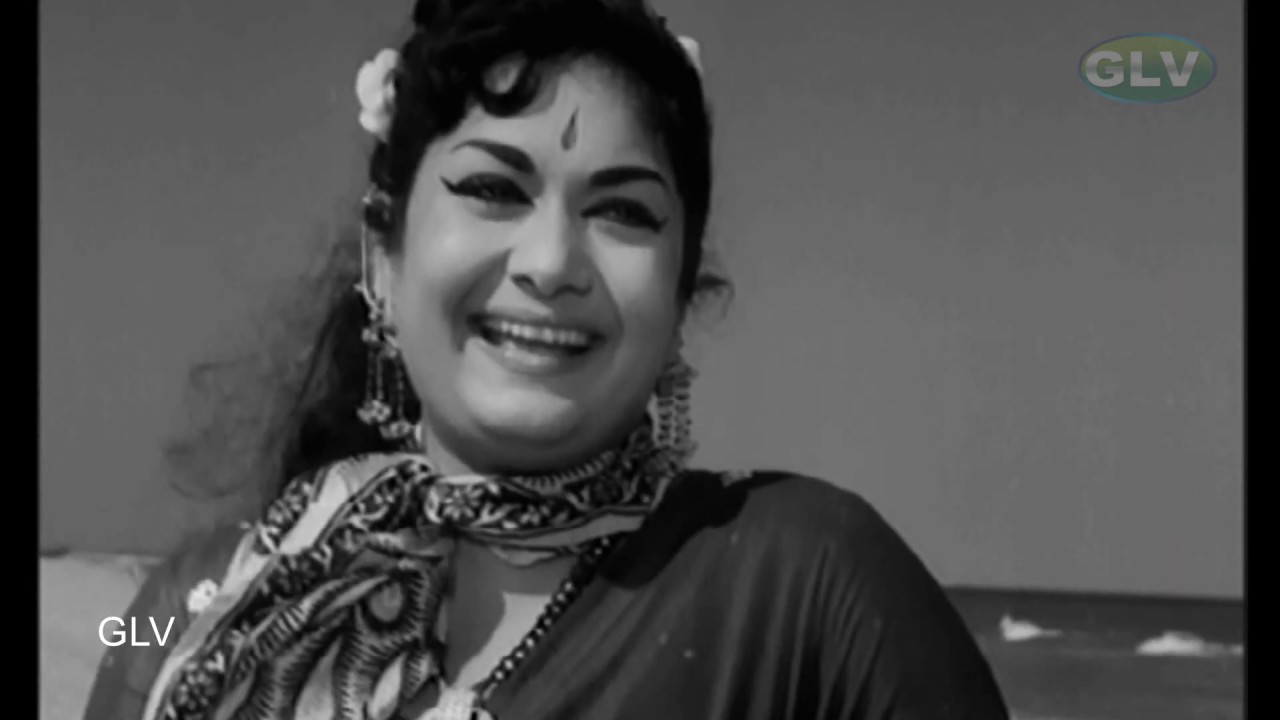
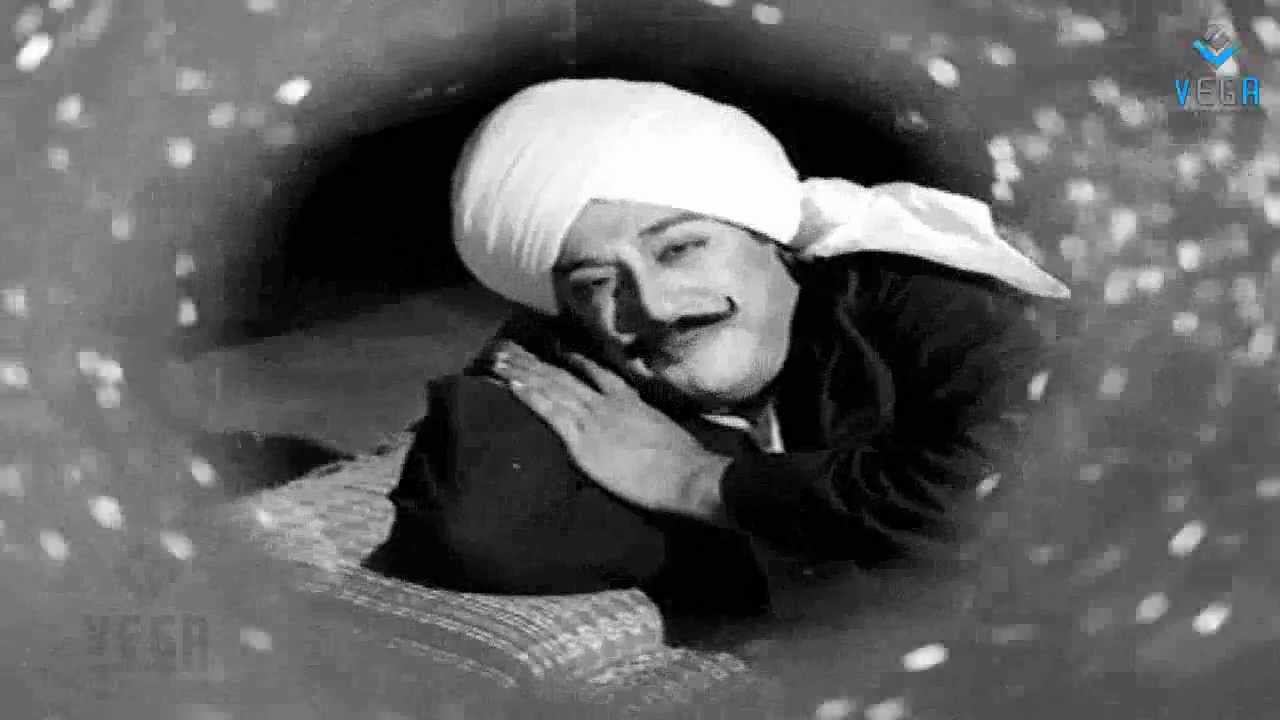
Sinthu Nathiyinmisai Song Lyrics is the track from Kai Kodutha Deivam - 1964 Tamil Film – 1964. This song was sung by டி. எம். சௌந்தராஜன், எல். ஆர். ஈஸ்வரி மற்றும் ஜே . வி. ராகவலு. The music was composed by Viswanathan–Ramamoorthy. Lyrics works penned by Mahakavi Bharathiyar.
Track Credits & Star Cast
Music & Lyrics
Singers
Star Cast
Not Specified
Sindhu nadhiyin misai nilavinilae Cheranan nattilam pengaludanae
Sundhara telunginil paatisaithu Thonigal otti vilaiyadi varuvom
Sindhu nadhiyin misai nilavinilae Cheranan nattilam pengaludanae
Sundhara telunginil paatisaithu Thonigal otti vilaiyadi varuvom
Gangai nadhi purathu kodhumai pandam Gangai nadhi purathu kodhumai pandam
Kaaveri vettrilaikku maaru kolvom Singa marattiyar tham kavidhai kondu
Cherathu thandhangal parisalippom Singa marattiyar tham kavidhai kondu
Cherathu thandhangal parisalippom
Sindhu nadhiyin misai nilavinilae Cheranan nattilam pengaludanae
Sundhara telunginil paatisaithu Thonigal otti vilaiyadi varuvom
Manasidhi nee kosam manu kada nee kosam
Manasidhi nee kosam manu kada nee kosam
Mamadhaa vaedham mayani madhu paasam
Mamadhaa vaedham mayani madhu paasam
Manasidhi nee kosam manu kada nee kosam
Haaaaaa… Nee kann kanaragam
Nee madhi anuraagam Mana ee vaibogam
Baguthan alaiyogam Valapula ullaasam
Narapula dharahasam Vahithina avagaasam
Saa nalivulu aavesam
Haa.aaahaaaaahaaaaa… Hmm mm mm
Singala theevinikoor paalam amaippom
Sedhuvai medu uruthi veedhi amaippom
Singala theevinikoor paalam amaippom
Sedhuvai medu uruthi veedhi amaippom
Vangathil odi varum neerin migaiyaal
Maiyathu naadugalil payir seiyuvom
Vangathil odi varum neerin migaiyaal
Maiyathu naadugalil payir seiyuvom
Sindhu nadhiyin misai nilavinilae Cheranan nattilam pengaludanae
Sundhara telunginil paatisaithu Thonigal otti vilaiyadi varuvom
Haaaaaa…
Song Meaning & Analysis
This iconic song, penned by Mahakavi Bharathiyar, paints a vivid picture of a unified and prosperous India. It envisions a future where people from different regions – from the Sindhu to the Chera land, from the Ganges to Kaveri, and Maratha to Lanka – engage in cultural exchange, trade, and shared joy. The lyrics celebrate the diversity of India, promoting a sense of national integration through mutual appreciation of languages, arts, and resources, all under the romantic glow of a moonlit night.
The song's mood is one of optimistic nationalism and cultural harmony. The Telugu verses, while seemingly a romantic interlude, can also be interpreted as an expression of deep affection for the diverse cultural fabric of the nation. It's a call for collective progress and shared prosperity, where geographical barriers are overcome, and the strengths of each region contribute to the collective well-being of the entire land, culminating in a vision of a vibrant, interconnected India.
Frequently Asked Questions
Who is the singer of Sinthu Nathiyinmisai?
Sinthu Nathiyinmisai is sung by டி. எம். சௌந்தராஜன், எல். ஆர். ஈஸ்வரி மற்றும் ஜே . வி. ராகவலு.
Which movie is Sinthu Nathiyinmisai from?
The song Sinthu Nathiyinmisai is featured in the movie Kai Kodutha Deivam - 1964.
Who wrote the lyrics for Sinthu Nathiyinmisai?
The lyrics for Sinthu Nathiyinmisai were written by Mahakavi Bharathiyar with music composed by Viswanathan–Ramamoorthy.
Is English translation available for Sinthu Nathiyinmisai lyrics?
Yes! Sinthu Nathiyinmisai lyrics from Kai Kodutha Deivam - 1964 include line-by-line English translation, English transliteration, and native Tamil script on Lyricsverse.
What is the meaning of Sinthu Nathiyinmisai lyrics?
This iconic song, penned by Mahakavi Bharathiyar, paints a vivid picture of a unified and prosperous India. It envisions a future where people from different regions – from the Sindhu to the Chera land, from the Ganges to Kaveri, and Maratha to Lanka – engage in cultural exchange, trade, and shared joy. The lyrics celebrate the diversity of India, promoting a sense of national integration through mutual appreciation of languages, arts, and resources, all under the romantic glow of a moonlit night. The song's mood is one of optimistic nationalism and cultural harmony. The Telugu verses, while seemingly a romantic interlude, can also be interpreted as an expression of deep affection for the diverse cultural fabric of the nation. It's a call for collective progress and shared prosperity, where geographical barriers are overcome, and the strengths of each region contribute to the collective well-being of the entire land, culminating in a vision of a vibrant, interconnected India.