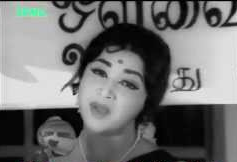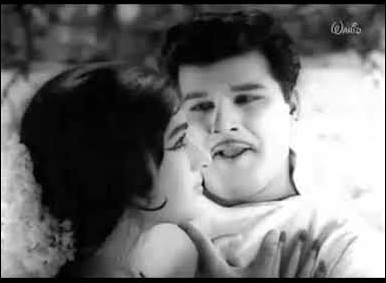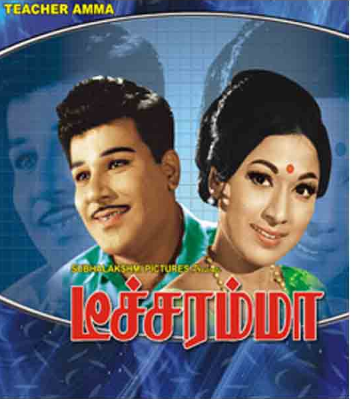
Soodikoduthaval Naan Thozhi Lyrics
From the movie Teacheramma
Soodikoduthaval Naan Thozhi Song Lyrics is the track from Teacheramma Tamil Film – 1968. This song was sung by பி. சுசீலா. The music was composed by T. R. Pappa. Lyrics works penned by Kannadasan.
Track Credits & Star Cast
Music & Lyrics
Singers
Star Cast
Not Specified
: Soodi koduthaval naan thozhi Sooti kondavalae nee vaazhi
Soodi koduthaval naan thozhi Sooti kondavalae nee vaazhi
Soodi koduthaval naan thozhi
Paadi koduthaval naan thozhi Paadi koduthaval naan thozhi
Paattai mudithaval nee vaazhi
Soodi koduthaval naan thozhi
Nilathai paarthaa payir vaithaen Adhan nirathai paartha uyir vaithaen
Mugathai paarthaa manam vaithaen Varum mudivai paarthaa kadhai sonnaen
Mudivai paarthaa kadhai sonnaen
Soodi koduthaval naan thozhi Sooti kondavalae nee vaazhi
Soodi koduthaval naan thozhi
Maalai thoduthu malar kondu Nalla manjal kunkuma shimizh kondu
Yaezhai ezhundhaen enakkendru Andha iraivan mudithaan unakkendru
Iraivan mudithaan unakkendru
Soodi koduthaval naan thozhi Sooti kondavalae nee vaazhi
Soodi koduthaval naan thozhi
Kadalum vaanum ullavarai thendral Kaatru nadandhu sellum varai
Kadalum vaanum ullavarai thendral Kaatru nadandhu sellum varai
Valarga undhan palliyarai nee Valarga undhan palliyarai nee
Vaazha vaipaai andha nallavarai Nee vaazha vaipaai andha nallavarai
Nee vaazha vaipaai andha nallavarai
Song Meaning & Analysis
This poignant song, "Soodikoduthaval Naan Thozhi," from the 1968 film 'Teacheramma,' is a classic example of Kannadasan's lyrical genius, exploring themes of selfless love, sacrifice, and destiny. Sung from the perspective of a woman, it metaphorically references Andal, the Vaishnavite saint who would wear garlands before offering them to the deity. Here, the speaker implies she has prepared or nurtured something precious – perhaps love, a life path, or a relationship – only for it to be ultimately destined for another woman. She expresses a deep, almost maternal affection and a sense of having paved the way, now wishing the recipient a long and happy life with what she has prepared.
The lyrics beautifully convey the speaker's emotional journey: her careful cultivation of love ("I sowed the crop after seeing the land," "I gave my heart after seeing the face") and her eventual acceptance of fate ("God destined it for you"). Despite her personal investment and potential heartbreak, her tone remains one of magnanimity and blessing. The song culminates in heartfelt wishes for the recipient's marital bliss and enduring happiness, emphasizing the speaker's noble spirit and her desire for the well-being of others, even at her own expense. It's a testament to enduring love and the bittersweet nature of sacrifice.
Frequently Asked Questions
Who is the singer of Soodikoduthaval Naan Thozhi?
Soodikoduthaval Naan Thozhi is sung by பி. சுசீலா.
Which movie is Soodikoduthaval Naan Thozhi from?
The song Soodikoduthaval Naan Thozhi is featured in the movie Teacheramma.
Who wrote the lyrics for Soodikoduthaval Naan Thozhi?
The lyrics for Soodikoduthaval Naan Thozhi were written by Kannadasan with music composed by T. R. Pappa.
Is English translation available for Soodikoduthaval Naan Thozhi lyrics?
Yes! Soodikoduthaval Naan Thozhi lyrics from Teacheramma include line-by-line English translation, English transliteration, and native Tamil script on Lyricsverse.
What is the meaning of Soodikoduthaval Naan Thozhi lyrics?
This poignant song, "Soodikoduthaval Naan Thozhi," from the 1968 film 'Teacheramma,' is a classic example of Kannadasan's lyrical genius, exploring themes of selfless love, sacrifice, and destiny. Sung from the perspective of a woman, it metaphorically references Andal, the Vaishnavite saint who would wear garlands before offering them to the deity. Here, the speaker implies she has prepared or nurtured something precious – perhaps love, a life path, or a relationship – only for it to be ultimately destined for another woman. She expresses a deep, almost maternal affection and a sense of having paved the way, now wishing the recipient a long and happy life with what she has prepared. The lyrics beautifully convey the speaker's emotional journey: her careful cultivation of love ("I sowed the crop after seeing the land," "I gave my heart after seeing the face") and her eventual acceptance of fate ("God destined it for you"). Despite her personal investment and potential heartbreak, her tone remains one of magnanimity and blessing. The song culminates in heartfelt wishes for the recipient's marital bliss and enduring happiness, emphasizing the speaker's noble spirit and her desire for the well-being of others, even at her own expense. It's a testament to enduring love and the bittersweet nature of sacrifice.