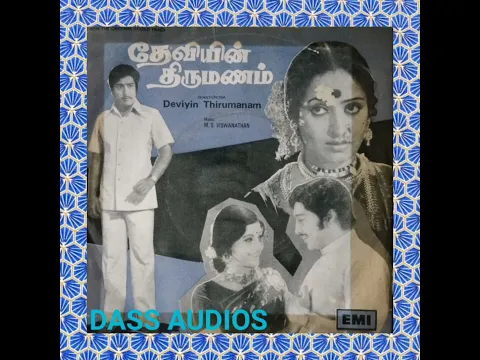
Sridevi Varam Ketkiral Lyrics
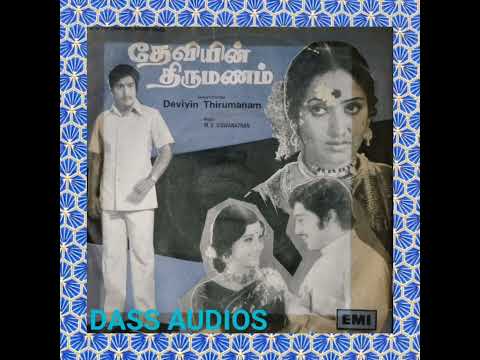
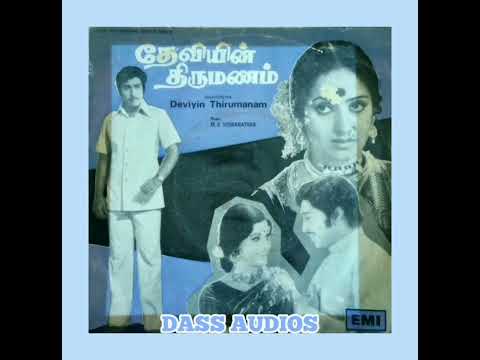
From the movie Deviyin Thirumanam
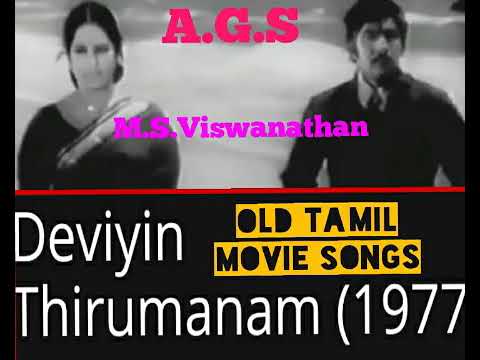
Sridevi Varam Ketkiral Song Lyrics is the track from Deviyin Thirumanam Tamil Film – 1977. This song was sung by பி. சுஷீலா. The music was composed by M. S. Viswanathan. Lyrics works penned by Kannadasan.
Track Credits & Star Cast
Music & Lyrics
Singers
Star Cast
Not Specified
Sridevi varam ketkiraal Sridevi varam ketkiraal
Thirumaalai naadi manamaalai thedi Entha mangai sontha mangaiyo oooo…
Entha gangai deva gangaiyo
Sridevi varam ketkiraal Thirumaalai naadi manamaalai thedi
Entha mangai sontha mangaiyo oooo… Entha gangai deva gangaiyo
Raagamen kaiyil en veenaiyil Gaanamen sollil en jaadaiyil
Naanthaanae paadinaen om saagatham Surapaathamnitham
Sridevi varam ketkiraal Thirumaalai naadi manamaalai thedi
Entha mangai sontha mangaiyo oooo… Entha gangai deva gangaiyo
Dheepamen koyil pon vaasalil Devanen maarbil en medaiyil
En oonjal medaithaan pon aasanam Pathmaasanam nitham
Entha mangai sontha mangaiyo oooo… Entha gangai deva gangaiyo
Sridevi varam ketkiraal Thirumaalai naadi manamaalai thedi
Entha mangai sontha mangaiyo oooo… Entha gangai deva gangaiyo
Song Meaning & Analysis
This song, "Sridevi Varam Ketkiral," from the 1977 film 'Deviyin Thirumanam' (The Goddess's Wedding), beautifully encapsulates the yearning and devotion of a divine being, likely Goddess Lakshmi (Sridevi), for Lord Vishnu (Thirumal). The lyrics portray Sridevi's quest for her destined union, as she seeks a wedding garland for Thirumal. The repeated rhetorical questions, "Which maiden is the destined bride? Which Ganga is the divine Ganga?" subtly assert her own divine identity and worthiness, implying that she is the true, destined consort. The mood is one of sacred anticipation and profound love, set against a backdrop of traditional Hindu mythology.
The song further emphasizes the goddess's inherent divinity and presence. She describes music flowing from her very being – the raga in her hands, the melody in her words and gestures, singing divine welcomes and morning prayers. Her temple's golden entrance is lit by her lamp, the deity resides within her heart, and her very swing becomes a golden throne, symbolizing her eternal meditative state (Padmasana). This imagery reinforces her supreme status and her readiness for the divine marriage, making the song a devotional ode to the goddess's love and spiritual power.
Frequently Asked Questions
Who is the singer of Sridevi Varam Ketkiral?
Sridevi Varam Ketkiral is sung by பி. சுஷீலா.
Which movie is Sridevi Varam Ketkiral from?
The song Sridevi Varam Ketkiral is featured in the movie Deviyin Thirumanam.
Who wrote the lyrics for Sridevi Varam Ketkiral?
The lyrics for Sridevi Varam Ketkiral were written by Kannadasan with music composed by M. S. Viswanathan.
Is English translation available for Sridevi Varam Ketkiral lyrics?
Yes! Sridevi Varam Ketkiral lyrics from Deviyin Thirumanam include line-by-line English translation, English transliteration, and native Tamil script on Lyricsverse.
What is the meaning of Sridevi Varam Ketkiral lyrics?
This song, "Sridevi Varam Ketkiral," from the 1977 film 'Deviyin Thirumanam' (The Goddess's Wedding), beautifully encapsulates the yearning and devotion of a divine being, likely Goddess Lakshmi (Sridevi), for Lord Vishnu (Thirumal). The lyrics portray Sridevi's quest for her destined union, as she seeks a wedding garland for Thirumal. The repeated rhetorical questions, "Which maiden is the destined bride? Which Ganga is the divine Ganga?" subtly assert her own divine identity and worthiness, implying that she is the true, destined consort. The mood is one of sacred anticipation and profound love, set against a backdrop of traditional Hindu mythology. The song further emphasizes the goddess's inherent divinity and presence. She describes music flowing from her very being – the raga in her hands, the melody in her words and gestures, singing divine welcomes and morning prayers. Her temple's golden entrance is lit by her lamp, the deity resides within her heart, and her very swing becomes a golden throne, symbolizing her eternal meditative state (Padmasana). This imagery reinforces her supreme status and her readiness for the divine marriage, making the song a devotional ode to the goddess's love and spiritual power.
Music Video