Ulagil Edhu Lyrics
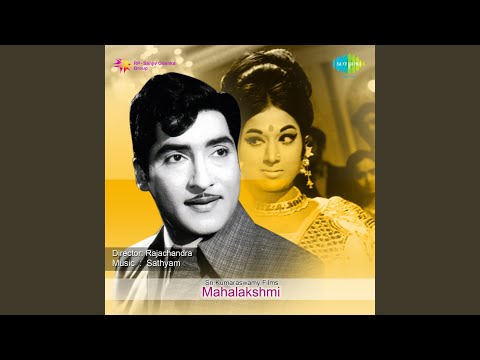
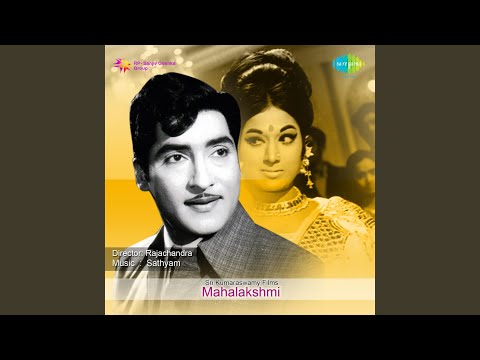
From the movie Mahalakshmi
Ulagil Edhu Song Lyrics is the track from Mahalakshmi Tamil Film – 1960. This song was sung by பி. லீலா.
Track Credits & Star Cast
Music & Lyrics
Singers
Star Cast
Not Specified
Singer : P. Leela
Music Director : K. V. Mahadevan
Lyricist : A. Maruthakasi
Ulagil edhu periyadhu Ulagil edhu periyadhu
Makkal ullathai karuvavadhu indha Ulagil edhu periyadhu
Makkal ullathai karuvavadhu indha Ulagil edhu periyadhu
Kalai thiarana illai karpanaiya Manidhan kandupiditha vingyaana arpudhuma
Kalai thiarana illai karpanaiya Manidhan kandupiditha vingyaana arpudhuma
Indha ulagil edhu periyadhu
Kalaiyai vilai pesum kaaalamidhu Karpanaiyum kooda virpanaiyaaguthu
Kalaiyai vilai pesum kaaalamidhu Karpanaiyum kooda virpanaiyaaguthu
Azhivu paadhai nokki vingyaanam pogudhu Azhivu paadhai nokki vingyaanam pogudhu
Anaithaiyum porul indri adakkiyae aaludhu Indha ulagil edhu periyadhu
Arivikum thiramaikkum kedaikadha madhippu
Porulukkae innaalil mudhal varaverppu
Arivikum thiramaikkum kedaikadha madhippu
Porulukkae innaalil mudhal varaverppu
Perumaikkum sirumaikum adhuvae thaan poruppu
Perumaikkum sirumaikum adhuvae thaan poruppu
Unnai peridhaaga kattuvadhe selvathin sirappu
Ulagil edhu periyadhu
Makkal ullathai karuvavadhu indha
Ulagil edhu periyadhu
Song Meaning & Analysis
The song "Ulagil Edhu" from the 1960 film 'Mahalakshmi' is a philosophical inquiry into what truly holds the greatest value in the world. It begins by posing the fundamental question: what is truly great, and what captures the hearts of people? The lyrics then explore various contenders for this greatness, such as artistic skill, human imagination, and the marvels of scientific discovery. However, the song quickly shifts to a critical commentary on contemporary society, lamenting how art and imagination are commodified, and how science, despite its potential, seems to be veering towards destructive paths.
The core theme of the song revolves around the pervasive influence of material wealth. It argues that in the current era, knowledge and skill are undervalued, while wealth receives paramount importance. The lyrics poignantly state that wealth dictates one's perceived greatness or insignificance, and its primary function has become to elevate one's status in society. Ultimately, the song subtly suggests that while wealth may grant superficial grandeur, the true measure of greatness lies in something more profound – perhaps the ability to genuinely touch and capture the hearts of people, a quality that transcends mere material possessions.
Frequently Asked Questions
Who is the singer of Ulagil Edhu?
Ulagil Edhu is sung by பி. லீலா.
Which movie is Ulagil Edhu from?
The song Ulagil Edhu is featured in the movie Mahalakshmi.
Who wrote the lyrics for Ulagil Edhu?
The lyrics for Ulagil Edhu were written by Unknown with music composed by Unknown.
Is English translation available for Ulagil Edhu lyrics?
Yes! Ulagil Edhu lyrics from Mahalakshmi include line-by-line English translation, English transliteration, and native Tamil script on Lyricsverse.
What is the meaning of Ulagil Edhu lyrics?
The song "Ulagil Edhu" from the 1960 film 'Mahalakshmi' is a philosophical inquiry into what truly holds the greatest value in the world. It begins by posing the fundamental question: what is truly great, and what captures the hearts of people? The lyrics then explore various contenders for this greatness, such as artistic skill, human imagination, and the marvels of scientific discovery. However, the song quickly shifts to a critical commentary on contemporary society, lamenting how art and imagination are commodified, and how science, despite its potential, seems to be veering towards destructive paths. The core theme of the song revolves around the pervasive influence of material wealth. It argues that in the current era, knowledge and skill are undervalued, while wealth receives paramount importance. The lyrics poignantly state that wealth dictates one's perceived greatness or insignificance, and its primary function has become to elevate one's status in society. Ultimately, the song subtly suggests that while wealth may grant superficial grandeur, the true measure of greatness lies in something more profound – perhaps the ability to genuinely touch and capture the hearts of people, a quality that transcends mere material possessions.