Uyire Mappillai Thedi Lyrics
From the movie Santhosa Kanavugal
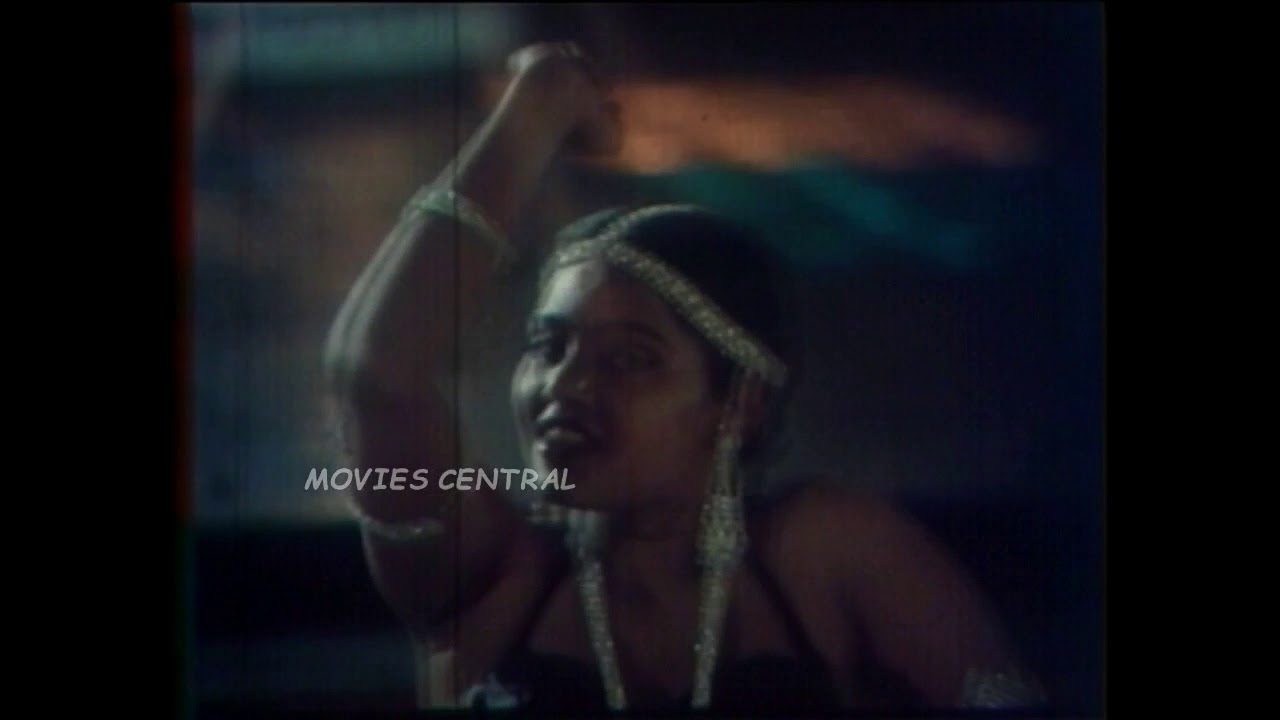
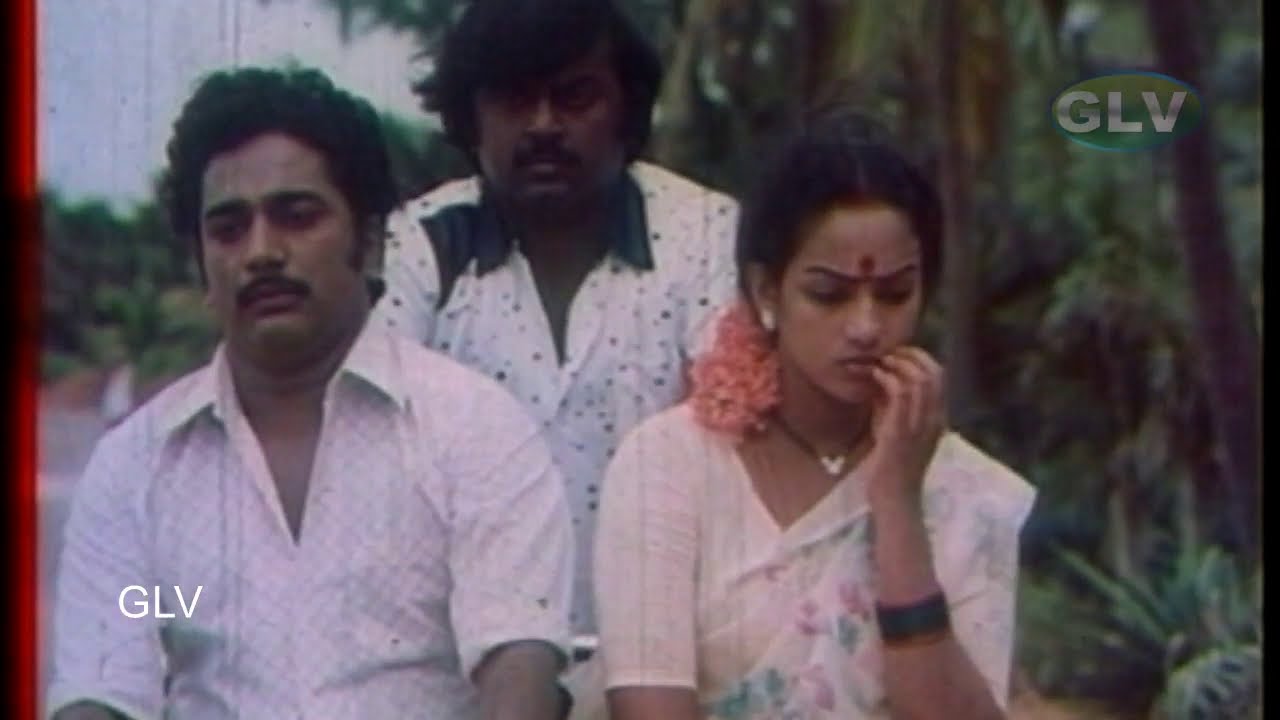
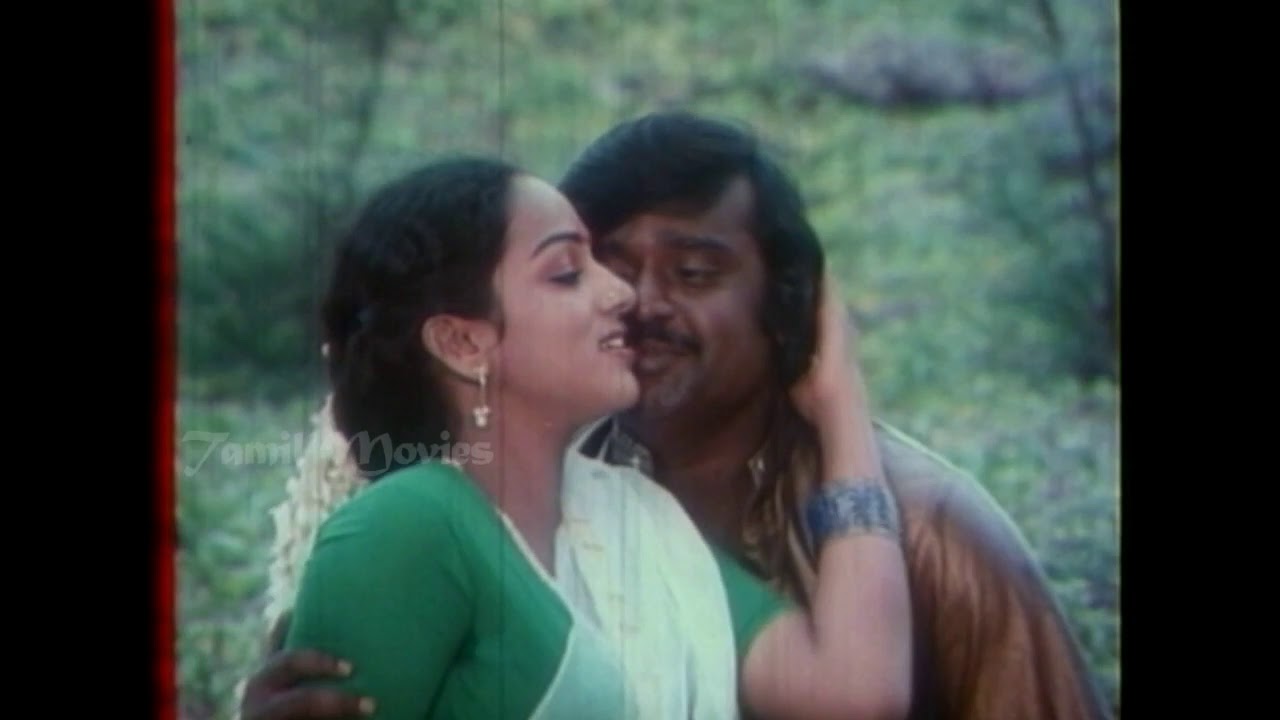
Uyire Mappillai Thedi Song Lyrics is the track from Santhosa Kanavugal Tamil Film – 1985. This song was sung by வாணி ஜெயராம். The music was composed by Shyam.
Track Credits & Star Cast
Uyirae mappillai thedi… manamaalai soodi Theruvengum oorvalam pogindra yogam
Unakkedhu paavam Pogindra yogam unakkedhu paavam
Uyire mappillai thedi… manamaalai soodi Theruvengum oorvalam pogindra yogam
Unakkedhu paavam unakkedhu paavamuyirae…
Aasthikku aanum aasaikku pennum
Ena sollum dhesam ingu samaneedhi yedhu
Aasthikku aanum aasaikku pennum
Ena sollum dhesam ingu samaneedhi yedhu
Vilakkettra pogindrom irulaaga vaazhgindrom
Sugamenna naam kandom oru naalum illai
Poo choodi vandhom sarugaagi povom Naam endru vaazhvom
Idhu pennin jenmam Idhu pennin jenmam uyirae
Mudhaleedu illaa vyabaaram ondru
Kalyanam endru oor sollum indru
Mudhaleedu illaa vyabaaram ondru
Kalyanam endru oor sollum indru
Ponn kettu vandhaargal porul kettu vandhaargal
Pen kettu aan pillai evan ingu vandhaan
Penn ennum selvam nadamaadum deivam Podhu medai pechu
Kaatrodu pochu… kaatrodu pochu
Uyirae …mappillai thedi …manamaalai soodi
Theruvengum oorvalam pogindra yogam
Unakkedhu paavam unakkedhu paavam… uyirae
Song Meaning & Analysis
The song "Uyire Mappillai Thedi" from the 1985 movie 'Santhosa Kanavugal' is a poignant lament from a woman's perspective, expressing the harsh realities and societal injustices faced by women, particularly concerning marriage. The lyrics question the traditional ideal of a joyful wedding procession, suggesting that such a fortune is often denied to women. It highlights the prevailing patriarchal mindset where men are valued for their wealth and women for their physical appeal, questioning the very notion of equality in such a society. The imagery of "lighting lamps but living in darkness" powerfully conveys the internal struggle and lack of true happiness despite outward appearances.
The song further criticizes the commercialization of marriage, describing it as a "business without investment" where grooms and their families demand gold and dowry rather than genuinely seeking the bride herself. It exposes the hypocrisy of society that praises women as "walking deities" and "treasures" in public speeches, but whose actions contradict these lofty words, with such sentiments "gone with the wind." Overall, the song is a powerful social commentary on the plight of women, their unfulfilled dreams, and the systemic issues that prevent them from experiencing true joy and respect in their lives.
Frequently Asked Questions
Who is the singer of Uyire Mappillai Thedi?
Uyire Mappillai Thedi is sung by வாணி ஜெயராம்.
Which movie is Uyire Mappillai Thedi from?
The song Uyire Mappillai Thedi is featured in the movie Santhosa Kanavugal.
Who wrote the lyrics for Uyire Mappillai Thedi?
The lyrics for Uyire Mappillai Thedi were written by Unknown with music composed by Shyam.
Is English translation available for Uyire Mappillai Thedi lyrics?
Yes! Uyire Mappillai Thedi lyrics from Santhosa Kanavugal include line-by-line English translation, English transliteration, and native Tamil script on Lyricsverse.
What is the meaning of Uyire Mappillai Thedi lyrics?
The song "Uyire Mappillai Thedi" from the 1985 movie 'Santhosa Kanavugal' is a poignant lament from a woman's perspective, expressing the harsh realities and societal injustices faced by women, particularly concerning marriage. The lyrics question the traditional ideal of a joyful wedding procession, suggesting that such a fortune is often denied to women. It highlights the prevailing patriarchal mindset where men are valued for their wealth and women for their physical appeal, questioning the very notion of equality in such a society. The imagery of "lighting lamps but living in darkness" powerfully conveys the internal struggle and lack of true happiness despite outward appearances. The song further criticizes the commercialization of marriage, describing it as a "business without investment" where grooms and their families demand gold and dowry rather than genuinely seeking the bride herself. It exposes the hypocrisy of society that praises women as "walking deities" and "treasures" in public speeches, but whose actions contradict these lofty words, with such sentiments "gone with the wind." Overall, the song is a powerful social commentary on the plight of women, their unfulfilled dreams, and the systemic issues that prevent them from experiencing true joy and respect in their lives.