Vaada Kanna Hari Hari Lyrics
From the movie Thambathigal
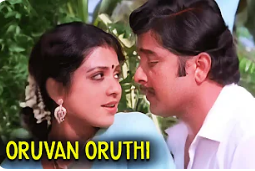
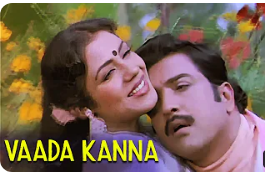
Vaada Kanna Hari Hari Song Lyrics is the track from Thambathigal Tamil Film – 1983, Starring Poornima Bhagyaraj, Sivakumar, Goundamani, Loose Mohan, Radha Ravi, S. Gandhimathi, Silk Smitha. This song was sung by எஸ். பி. பாலசுப்ரமணியம் மற்றும் எஸ். ஜெயஸ்ரீ. The music was composed by M. S. Viswanathan. Lyrics works penned by Vaali.
Track Credits & Star Cast
Music & Lyrics
Singers
Star Cast



Vaadaa kannaa Hari hari gogula krishnaa
Vaadaa kannaa Hari hari gogula krishnaa
Un mangai ullamthaan Oru gangai vellamthaan
Un mangai ullamthaan Oru gangai vellamthaan
Nee neentha vanthaayo Ennai yaentha vanthaayo
Nee neentha vanthaayo Ennai yaentha vanthaayo
Siru poova vanthathu ponnaa minnuthu Vaa vaa endrathu vanthaa nallathu orae santhosham
Vaadi bhaamaa harae harae saththiyabhaamaa
Vaadi bhaamaa harae harae saththiyabhaamaa
Un kannan nenjamthaan Malar konjum manjamthaan
Un kannan nenjamthaan Malar konjum manjamthaan
Nee naadi vanthaayo nizhal thedi vanthaayo
Nee naadi vanthaayo nizhal thedi vanthaayo
Ilam maanaa vanthathu meenaa thulluthu
Thaanaa vanthathu thaenaa ponguthu orae sallaapam
Vaadaa kannaa Hari hari gogula krishnaa
Rajagobalan kuzhalosai kettu Rathai thirumaeni vaadaathi
Rajagobalan kuzhalosai kettu Rathai thirumaeni vaadaathi
Kadhal reengaaram kalaiyaatha veenai Kannan viral meetta vaaraatho
Kadhal reengaaram kalaiyaatha veenai Kannan viral meetta vaaraatho
Intha radhaa vanthathum Raagam vanthathu
Naathaa endrathum Naatham vanthathum
Oraey sangeetham
Vaadaa kannaa Hari hari gogula krishnaa
Un mangai ullamthaan Oru gangai vellamthaan
Nee neentha vanthaayo Ennai yaentha vanthaayo
Siru poova vanthathu ponnaa minnuthu Vaa vaa endrathu vanthaa nallathu orae santhosham
Vaadi bhaamaa harae harae saththiyabhaamaa
Vaadi bhaamaa harae harae saththiyabhaamaa
Baktha meeraavin paamaalai polae Paadum thirupaavai neethaano
Baktha meeraavin paamaalai polae Paadum thirupaavai neethaano
Naalum kaadhodu naan ketkum geethai Odhum paranthaaman neethaano
Naalum kaadhodu naan ketkum geethai Odhum paranthaaman neethaano
Oru kodhai vanthathum koyil kondathum
Bodhai manthiram Kannil sonnathum
Orae ursaagam
Vaadi bhaamaa harae harae saththiyabhaamaa Un kannan nenjamthaan
Malar konjum manjamthaan
Nee naadi vanthaayo nizhal thedi vanthaayo
Ilam maanaa vanthathu meenaa thulluthu
Thaanaa vanthathu thaenaa ponguthu orae sallaapam
Song Meaning & Analysis
The song "Vaada Kanna Hari Hari" from the 1983 film 'Thambathigal' is a delightful duet that beautifully intertwines romantic longing with devotional fervor, drawing heavily from Hindu mythology, particularly the tales of Lord Krishna and his consorts Radha and Satyabhama. The lyrics, penned by Vaali, portray a playful yet profound exchange between a lover (the woman) inviting her beloved (Krishna) and the beloved (Krishna) inviting his lover (Satyabhama/Bhaama). The woman expresses her heart as a "flood of the Ganges," inviting her Krishna to immerse himself, while the man describes his heart as a "bed caressed by flowers," welcoming his Bhaama. The song uses rich imagery, comparing the beloved's arrival to a small flower turning into gold and a young deer leaping like a fish, signifying joy and transformation.
The song deepens its devotional aspect by referencing iconic figures like Radha, whose body withers in longing for Krishna's flute melody, and the devotee Meera, whose verses are a garland of love. The lyrics also allude to the Bhagavad Gita, asking if the beloved is the supreme being who recites its wisdom. This blend of the sacred and the romantic elevates the song beyond a simple love duet, making it a celebration of divine love manifested in human relationships. The repeated calls of "Vaada Kanna" (Come, my darling Krishna) and "Vaadi Bhaama" (Come, my Bhaama) emphasize the mutual yearning and the ultimate joy and exhilaration found in their union, culminating in a "pure music" and "pure bliss."
Frequently Asked Questions
Who is the singer of Vaada Kanna Hari Hari?
Vaada Kanna Hari Hari is sung by எஸ். பி. பாலசுப்ரமணியம் மற்றும் எஸ். ஜெயஸ்ரீ.
Which movie is Vaada Kanna Hari Hari from?
The song Vaada Kanna Hari Hari is featured in the movie Thambathigal.
Who wrote the lyrics for Vaada Kanna Hari Hari?
The lyrics for Vaada Kanna Hari Hari were written by Vaali with music composed by M. S. Viswanathan.
Is English translation available for Vaada Kanna Hari Hari lyrics?
Yes! Vaada Kanna Hari Hari lyrics from Thambathigal include line-by-line English translation, English transliteration, and native Tamil script on Lyricsverse.
What is the meaning of Vaada Kanna Hari Hari lyrics?
The song "Vaada Kanna Hari Hari" from the 1983 film 'Thambathigal' is a delightful duet that beautifully intertwines romantic longing with devotional fervor, drawing heavily from Hindu mythology, particularly the tales of Lord Krishna and his consorts Radha and Satyabhama. The lyrics, penned by Vaali, portray a playful yet profound exchange between a lover (the woman) inviting her beloved (Krishna) and the beloved (Krishna) inviting his lover (Satyabhama/Bhaama). The woman expresses her heart as a "flood of the Ganges," inviting her Krishna to immerse himself, while the man describes his heart as a "bed caressed by flowers," welcoming his Bhaama. The song uses rich imagery, comparing the beloved's arrival to a small flower turning into gold and a young deer leaping like a fish, signifying joy and transformation. The song deepens its devotional aspect by referencing iconic figures like Radha, whose body withers in longing for Krishna's flute melody, and the devotee Meera, whose verses are a garland of love. The lyrics also allude to the Bhagavad Gita, asking if the beloved is the supreme being who recites its wisdom. This blend of the sacred and the romantic elevates the song beyond a simple love duet, making it a celebration of divine love manifested in human relationships. The repeated calls of "Vaada Kanna" (Come, my darling Krishna) and "Vaadi Bhaama" (Come, my Bhaama) emphasize the mutual yearning and the ultimate joy and exhilaration found in their union, culminating in a "pure music" and "pure bliss."