Vaarunga Ammaa Maarey Lyrics
From the movie Athisaya Thirudan
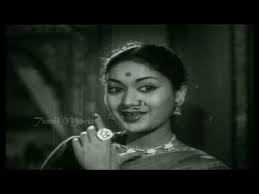
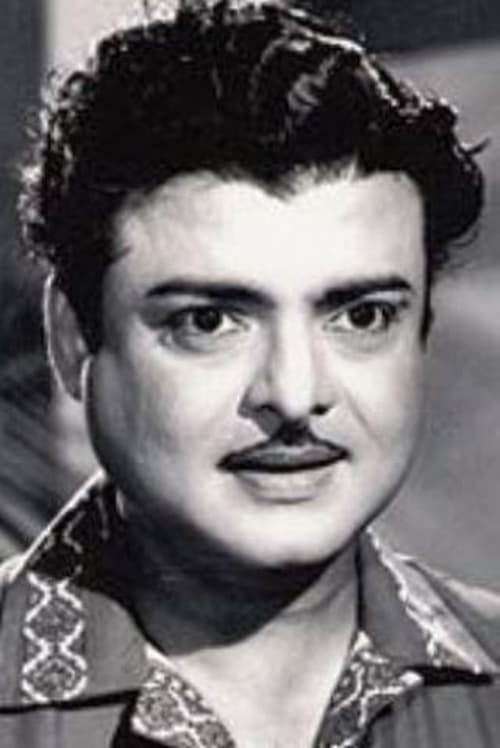
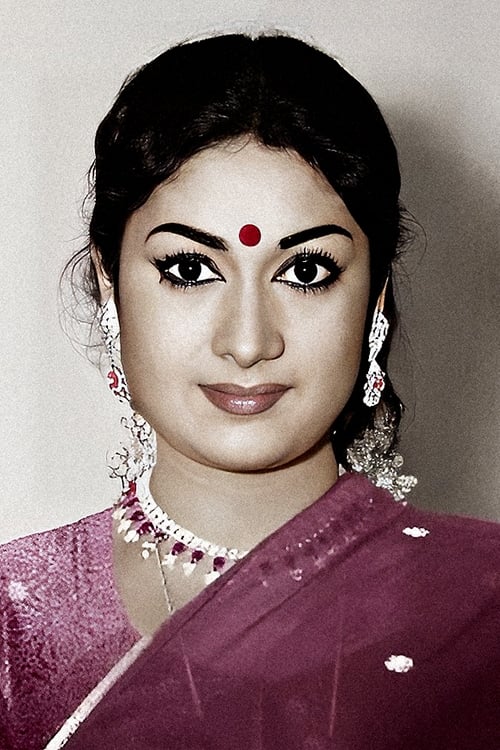
Vaarunga Ammaa Maarey Song Lyrics is the track from Athisaya Thirudan Tamil Film – 1958, Starring Gemini Ganesan, Savitri, T. S. Balaiah, K. A. Thangavelu, T. P. Muthulakshmi, Chittoor V. Nagayya, V. M. Ezhumalai, K. Nadarajan, K. N. Kamalam. This song was sung by ஜிக்கி. The music was composed by S. Dakshinamurthi. Lyrics works penned by Thanjai N. Ramaiah Dass.
Track Credits & Star Cast
Music & Lyrics
Singers
Star Cast

Poo vangalaiyoo poovu…
Vaarunga ammamaarae En poovai vaangi paarunga ammaamaarae
Oo…oo…oo…oo…oo…ammaamaarae Maappillai pennukku maalai kattalaam
Maappillai pennukku maalai kattalaam Panjanai melae thooviyum vidalaam
Navaraathri bommai koluvaiyum Pramadhamaaga jodikalaanga
Vegu pramadhamaaga jodikalaanga
Vaarunga ammamaarae En poovai vaangi paarunga ammaamaarae
Oo…oo…oo…oo…oo…ammaamaarae Velvizhi veesum minnal kodiyilae
Velvizhi veesum minnal kodiyilae Vedikkaiyaaga pinnal jadaiyilae
Muthaaram pola pinunga Vithaaramaaga shokku pannunga
Miga vithaaramaaga shokku pannunga
Vaarunga ammamaarae En poovai vaangi paarunga ammaamaarae
Oo…oo…oo…oo…oo…ayyaamaarae Aasai ponjaathi thalaiyil soottunga
Aasai ponjaathi thalaiyil soottunga Appoluthae adhu pallai kaattunga
Aaru panathaanga kaasai neetunga Aaru panathaanga kaasai neetunga
Aamaanga enakku naazhiyaachunga Saami aamaanga enakku naazhiyaachunga
Vaarunga ammamaarae En poovai vaangi paarunga ammaamaarae
Song Meaning & Analysis
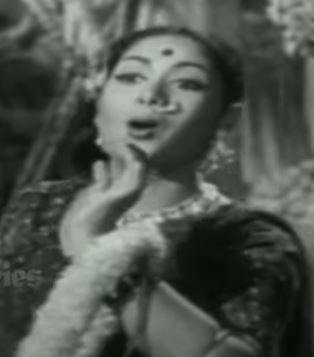
This song is a classic example of a street vendor's call, specifically a flower seller, common in old Tamil cinema. The lyrics are sung from the perspective of a woman selling flowers, appealing to potential female customers ("ammaamaarae" - dear ladies). She highlights the versatility and beauty of her flowers, suggesting various uses: for auspicious occasions like weddings (garlands for bride and groom, scattering on the bridal bed), for religious festivals (decorating Navaratri doll displays), and for personal adornment (weaving into hair like a pearl necklace to enhance beauty).
The song captures the essence of daily life and cultural practices of the era, where fresh flowers were an integral part of celebrations, worship, and personal grooming. The vendor's persuasive language emphasizes how her flowers can bring joy, beauty, and auspiciousness. The final stanza adds a touch of urgency and a practical request for payment, reminding customers that it's getting late, making the portrayal realistic and charming. The overall mood is lively, persuasive, and reflective of a bygone era's simple yet vibrant marketplace interactions.
Frequently Asked Questions
Who is the singer of Vaarunga Ammaa Maarey?
Vaarunga Ammaa Maarey is sung by ஜிக்கி.
Which movie is Vaarunga Ammaa Maarey from?
The song Vaarunga Ammaa Maarey is featured in the movie Athisaya Thirudan.
Who wrote the lyrics for Vaarunga Ammaa Maarey?
The lyrics for Vaarunga Ammaa Maarey were written by Thanjai N. Ramaiah Dass with music composed by S. Dakshinamurthi.
Is English translation available for Vaarunga Ammaa Maarey lyrics?
Yes! Vaarunga Ammaa Maarey lyrics from Athisaya Thirudan include line-by-line English translation, English transliteration, and native Tamil script on Lyricsverse.
What is the meaning of Vaarunga Ammaa Maarey lyrics?
This song is a classic example of a street vendor's call, specifically a flower seller, common in old Tamil cinema. The lyrics are sung from the perspective of a woman selling flowers, appealing to potential female customers ("ammaamaarae" - dear ladies). She highlights the versatility and beauty of her flowers, suggesting various uses: for auspicious occasions like weddings (garlands for bride and groom, scattering on the bridal bed), for religious festivals (decorating Navaratri doll displays), and for personal adornment (weaving into hair like a pearl necklace to enhance beauty). The song captures the essence of daily life and cultural practices of the era, where fresh flowers were an integral part of celebrations, worship, and personal grooming. The vendor's persuasive language emphasizes how her flowers can bring joy, beauty, and auspiciousness. The final stanza adds a touch of urgency and a practical request for payment, reminding customers that it's getting late, making the portrayal realistic and charming. The overall mood is lively, persuasive, and reflective of a bygone era's simple yet vibrant marketplace interactions.