Valartha Kada Lyrics
From the movie Kalthoon
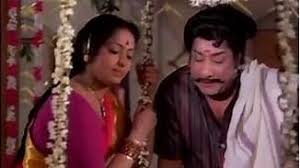
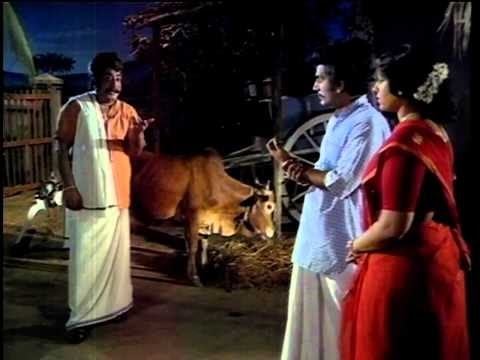
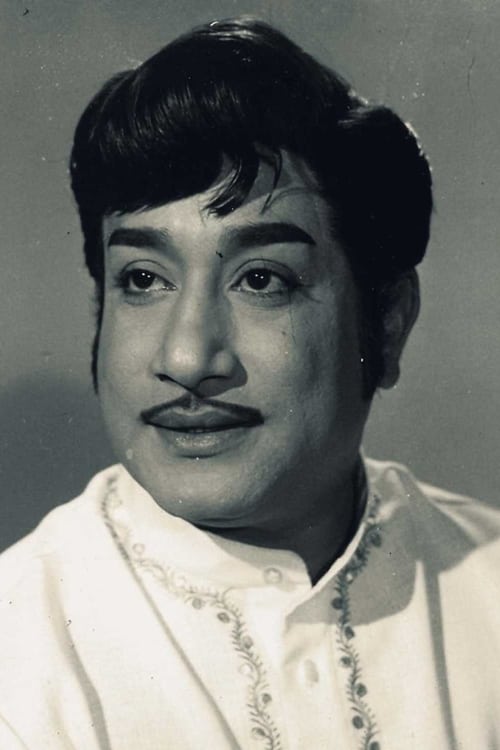
Valartha Kada Song Lyrics is the track from Kalthoon Tamil Film – 1981, Starring Sivaji Ganesan, K R Vijaya, Major Sundarrajan, Nagesh, Thengai Srinivasan, V. S. Raghavan, Kalthoon Thilak. This song was sung by டி. எம். சௌந்தரராஜன். The music was composed by M. S. Vishwanathan. Lyrics works penned by Kannadasan.
Track Credits & Star Cast
Music & Lyrics
Singers
Star Cast


Valatha kadaa mutta vandhaa Vacha sedi mullaanaa
Pona jenma paavamadi ammaalu Thottililae paambirundhaa
Tholilae puli kedandhaa Pethavanga thalai ezhuthu ammaalu
Pethavanga thalai ezhuthu ammaalu
Valatha kadaa mutta vandhaa Vacha sedi mullaanaa
Pona jenma paavamadi ammaalu Thottililae paambirundhaa
Tholilae puli kedandhaa Pethavanga thalai ezhuthu ammaalu
Pethavanga thalai ezhuthu ammaalu
Muthamittum aasai illae Sithathilum paasam illae…
Muthamittum aasai illae Sithathilum paasam illae…
Ratham enna aachudhadi ammaalu Vithu vitta maadugalum
Veedu kandu thirumba varum Petha pulla odudhadi ammaalu
Buthi kettu porakka vechaan ammaalu
Valatha kadaa mutta vandhaa Vacha sedi mullaanaa
Pona jenma paavamadi ammaalu Pona jenma paavamadi ammaalu
Kannilae eeramillae Kai chorum erangavillae…
Kannilae eeramillae Kai chorum erangavillae…
Ennamellaam thudikkudhadi ammaalu Mannilae naan nadandhaa
Man kooda kumbidumae En pillae pagaichudhadi ammaalu
Rendu pethu onnu kettadhu ammaalu
Valatha kadaa mutta vandhaa Vacha sedi mullaanaa
Pona jenma paavamadi ammaalu Pona jenma paavamadi ammaalu
Oorilae paerirukka Uttravanga madhippirukka
Vaeru vazhi theriyalaiyae ammaalu…
Oorilae paerirukka Uttravanga madhippirukka
Vaeru vazhi theriyalaiyae ammaalu… Tholilae potta thundu
Kaalilae vizhundhu vittaa Vaazhvilae artham enna ammaalu
Pillae vagaiyaaga maaruvadhu ennaalu Pillae vagaiyaaga maaruvadhu ennaalu
Pillae vagaiyaaga maaruvadhu ennaalu
Song Meaning & Analysis
The song "Valartha Kada" from the movie 'Kalthoon' is a poignant lament of a parent, expressing deep anguish and betrayal over the ingratitude and waywardness of their child. The lyrics use powerful metaphors like a nurtured ram turning to butt, or a planted sapling growing thorns, to illustrate the profound pain of a child turning against their benefactor. The recurring theme is that such misfortune is attributed to the 'fate of parents' or 'sins of a past birth,' highlighting a sense of helplessness and despair. The parent questions what has become of the child's nature, contrasting their behavior with even sold cattle that return home, emphasizing the child's complete abandonment.
The emotional depth is further explored as the parent describes their inability to eat due to sorrow and the lack of compassion in the child's eyes. Despite having a respected name in the community, the parent feels utterly lost and humiliated by the child's enmity. The ultimate despair is conveyed through the rhetorical question of what meaning life holds if they, who once carried the child on their shoulders, must now fall at their feet. The repeated plea, "When will this child change for the better?" underscores the enduring hope mixed with profound sorrow, capturing the universal pain of parental disappointment and the longing for a child's redemption.
Frequently Asked Questions
Who is the singer of Valartha Kada?
Valartha Kada is sung by டி. எம். சௌந்தரராஜன்.
Which movie is Valartha Kada from?
The song Valartha Kada is featured in the movie Kalthoon.
Who wrote the lyrics for Valartha Kada?
The lyrics for Valartha Kada were written by Kannadasan with music composed by M. S. Vishwanathan.
Is English translation available for Valartha Kada lyrics?
Yes! Valartha Kada lyrics from Kalthoon include line-by-line English translation, English transliteration, and native Tamil script on Lyricsverse.
What is the meaning of Valartha Kada lyrics?
The song "Valartha Kada" from the movie 'Kalthoon' is a poignant lament of a parent, expressing deep anguish and betrayal over the ingratitude and waywardness of their child. The lyrics use powerful metaphors like a nurtured ram turning to butt, or a planted sapling growing thorns, to illustrate the profound pain of a child turning against their benefactor. The recurring theme is that such misfortune is attributed to the 'fate of parents' or 'sins of a past birth,' highlighting a sense of helplessness and despair. The parent questions what has become of the child's nature, contrasting their behavior with even sold cattle that return home, emphasizing the child's complete abandonment. The emotional depth is further explored as the parent describes their inability to eat due to sorrow and the lack of compassion in the child's eyes. Despite having a respected name in the community, the parent feels utterly lost and humiliated by the child's enmity. The ultimate despair is conveyed through the rhetorical question of what meaning life holds if they, who once carried the child on their shoulders, must now fall at their feet. The repeated plea, "When will this child change for the better?" underscores the enduring hope mixed with profound sorrow, capturing the universal pain of parental disappointment and the longing for a child's redemption.