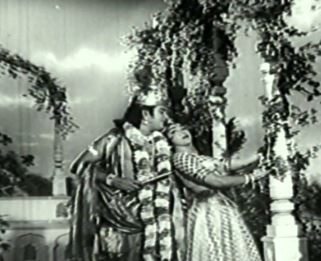
Varuvaya Vel Muruga Lyrics
From the movie Yaen
Varuvaya Vel Muruga Song Lyrics is the track from Yaen Tamil Film – 1970, Starring Lakshmi, A. V. M. Rajan, Vennira Aadai Nirmala, Ravichandran, Nagesh, M. R. R. Vasu, V. S. Raghavan, Ennatha Kannaiya, Veera Raghavan, Pushpamala. This song was sung by எஸ். பி. பாலாசுப்பிரமணியம் மற்றும் சரளா. The music was composed by T. R. Pappa. Lyrics works penned by Kannadasan.
Track Credits & Star Cast
Music & Lyrics
Singers
Star Cast


Laa… la laalalalalalaa… lalaa lalaa lalaa… Laalaa… lalalaa…
Lalala lalala lalala lalala Lalala lalala lalaa lalalaa… lalalaa…
Varuvaayaa vel murugaa En maaligai vaasalilae
Maadhulam pookkal dheepam yaetrum Mangaiyin kovililae
Varuvaayaa vel murugaa En maaligai vaasalilae
Maadhulam pookkal dheepam yaetrum Thangaiyin kovililae
Annanukku pen paarkka Varum anniyai en kan paarkka
Aha haahaahaa… Aaha haahaahaa haa… haa… mm… mm…
Annanukku pen paarkka Varum anniyai en kan paarkka
En thangaiyin thunaiyai naan paarkka Andha inbathai nee paarkka
Nee varuvaayaa vel murugaa En maaligai vaasalilae
Maadhulam pookkal dheepam yaetrum Thangaiyin kovililae
Maargazhiyil maayavanum Thai maasiyilae naayaganum
Aha haahaahaa… Aaha haahaahaa haa… haa… ohoho…
Maargazhiyil maayavanum Thai maasiyilae naayaganum
Thiru naalukku varugindra Virundhinargal
Avar paavaiyin uravinargal
Neeyum varuvaayaa vel murugaa En maaligai vaasalilae
Maadhulam pookkal dheepam yaetrum Mangaiyin kovililae
Munnavano aala maram Thambi mulaithu varum thenna maram
Engal thottathil indru moondru maram Engal vaazhvae anbu mayam
Nee varuvaayaa vel murugaa En maaligai vaasalilae
Maadhulam pookkal dheepam yaetrum Mangaiyin kovililae
Song Meaning & Analysis
The song "Varuvaya Vel Muruga" is a heartfelt plea to Lord Muruga, the Hindu deity, to grace the home of the devotee. The central theme revolves around the joyous anticipation of two significant family events: the arrival of a bride for the elder brother and the union of the sister with her companion. The singer invites Muruga to witness these auspicious occasions, emphasizing the purity and sanctity of the home, likened to a temple where even pomegranate flowers light lamps. It's a prayer for divine blessings on these new beginnings and familial bonds.
The lyrics beautifully weave in cultural references, mentioning the auspicious months of Margazhi (associated with Lord Krishna and spiritual devotion) and Thai-Maasi (traditionally significant for weddings). The family members are metaphorically described: the elder brother as a strong, sheltering banyan tree, and the younger brother as a growing, promising coconut tree. The song celebrates the expansion of the family, now with "three trees" in their garden, signifying growth, prosperity, and the magical essence of love that binds their lives. It's a song filled with hope, devotion, and the warmth of family affection.
Frequently Asked Questions
Who is the singer of Varuvaya Vel Muruga?
Varuvaya Vel Muruga is sung by எஸ். பி. பாலாசுப்பிரமணியம் மற்றும் சரளா.
Which movie is Varuvaya Vel Muruga from?
The song Varuvaya Vel Muruga is featured in the movie Yaen.
Who wrote the lyrics for Varuvaya Vel Muruga?
The lyrics for Varuvaya Vel Muruga were written by Kannadasan with music composed by T. R. Pappa.
Is English translation available for Varuvaya Vel Muruga lyrics?
Yes! Varuvaya Vel Muruga lyrics from Yaen include line-by-line English translation, English transliteration, and native Tamil script on Lyricsverse.
What is the meaning of Varuvaya Vel Muruga lyrics?
The song "Varuvaya Vel Muruga" is a heartfelt plea to Lord Muruga, the Hindu deity, to grace the home of the devotee. The central theme revolves around the joyous anticipation of two significant family events: the arrival of a bride for the elder brother and the union of the sister with her companion. The singer invites Muruga to witness these auspicious occasions, emphasizing the purity and sanctity of the home, likened to a temple where even pomegranate flowers light lamps. It's a prayer for divine blessings on these new beginnings and familial bonds. The lyrics beautifully weave in cultural references, mentioning the auspicious months of Margazhi (associated with Lord Krishna and spiritual devotion) and Thai-Maasi (traditionally significant for weddings). The family members are metaphorically described: the elder brother as a strong, sheltering banyan tree, and the younger brother as a growing, promising coconut tree. The song celebrates the expansion of the family, now with "three trees" in their garden, signifying growth, prosperity, and the magical essence of love that binds their lives. It's a song filled with hope, devotion, and the warmth of family affection.