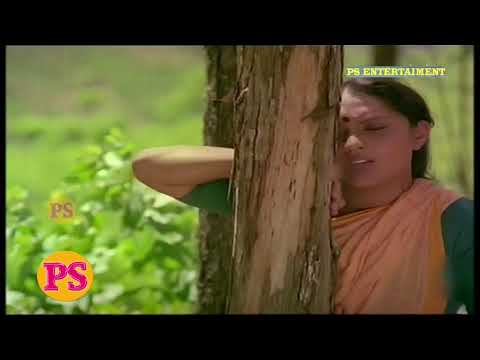
Vegu Kalam Ingu Lyrics
From the movie Oomai Janangal
Vegu Kalam Ingu Song Lyrics is the track from Oomai Janangal Tamil Film – 1984, Starring K. Bhagyaraj, Sarath Babu, V. Gopalakrishnan, Vagai Chandrasekar, Preetha Jayabharathi, Anuradha, Pasi Narayanan. This song was sung by மலேசியா வாசுதேவன், பூரணி மற்றும் குழு. The music was composed by Gangai Amaran. Lyrics works penned by Thanigai Selvan.
Track Credits & Star Cast
Music & Lyrics
Singers
Star Cast


Vegu kaalam ingu paayuthengal vervai
Oru naalil kaana vendum nalla vaazhvai
Pon pookkum maamalai Porththirukku pasumai theyilai
Endraalum engal aadai kanthalae Oru naal varumaa thirunaalae
Oru naal varumaa thirunaalae
Vegu kaalam ingu paayuthengal vervai
Oru naalil kaana vendum nalla vaazhvai
Jaathi madha mozhiyil aayiram Pedham kaanalaam
Yaezhaigalin kudisai koyilae Pedham yaedhadaa
Rodhaiyilaeveguthae thegam theeyilae
Kaadugalilae…ae…ae…ae… Kaadugalilae koodugal thedum kooligal
Kannaadi veettil maadi vaasigal
Mazhaiyin kanneer oru aaraagum Thaeneer engal kanneeraagum
Vegu kaalam ingu paayuthengal vervai
Oru naalil kaana vendum nalla vaazhvai
Aariraaro aariraaro aariraaro aaro Aariraaro aariraaro aariraaro aaro
Saeriyin mazhalai thaayidam Odum pothilum
Thaeyilaiyin pothiyai ennavae Sollum melidam
Orr uravai enniyae engum pennmanam
Maalaithanilaeae…ae…ae… Maalaithanilae…velaigal oyum neramae
Vidikaalai kaanum naalai vaanamae
Malaiyin madiyil varum senneerae
Pala naal uzhaippaal kaanum thaeneerae
Vegu kaalam ingu paayuthengal vervai
Oru naalil kaana vendum nalla vaazhvai
Pon pookkum maamalai Porththirukku pasumai theyilai
Endraalum engal aadai kanthalae Oru naal varumaa thirunaalae
Oru naal varumaa thirunaalae
Song Meaning & Analysis
This song, 'Vegu Kalam Ingu', from the 1984 film 'Oomai Janangal', is a poignant anthem of the working class, particularly tea plantation laborers. It vividly portrays their arduous lives, marked by relentless toil and stark poverty, despite working amidst nature's bounty. The lyrics highlight the stark contrast between the lush, 'gold-blooming' tea mountains and the tattered clothes of the workers, expressing a deep yearning for a better, 'auspicious day' when their hard work will finally yield a good life. It critiques societal divisions based on caste, religion, and language, asserting the inherent equality and shared suffering of the poor.
The song further emphasizes the exploitation faced by these laborers, where even a child's comfort is secondary to counting tea bundles, and their tears are likened to the very tea they produce. It paints a picture of their daily grind, from dawn till dusk, with the hope of a brighter future being their only solace. The lullaby-like interlude suggests the generational cycle of this struggle, while the imagery of 'red water from the mountain's lap' becoming 'tea from many days of labor' powerfully symbolizes their sacrifice and contribution. Overall, it's a powerful social commentary on labor exploitation and the enduring hope for dignity and justice.
Frequently Asked Questions
Who is the singer of Vegu Kalam Ingu?
Vegu Kalam Ingu is sung by மலேசியா வாசுதேவன், பூரணி மற்றும் குழு.
Which movie is Vegu Kalam Ingu from?
The song Vegu Kalam Ingu is featured in the movie Oomai Janangal.
Who wrote the lyrics for Vegu Kalam Ingu?
The lyrics for Vegu Kalam Ingu were written by Thanigai Selvan with music composed by Gangai Amaran.
Is English translation available for Vegu Kalam Ingu lyrics?
Yes! Vegu Kalam Ingu lyrics from Oomai Janangal include line-by-line English translation, English transliteration, and native Tamil script on Lyricsverse.
What is the meaning of Vegu Kalam Ingu lyrics?
This song, 'Vegu Kalam Ingu', from the 1984 film 'Oomai Janangal', is a poignant anthem of the working class, particularly tea plantation laborers. It vividly portrays their arduous lives, marked by relentless toil and stark poverty, despite working amidst nature's bounty. The lyrics highlight the stark contrast between the lush, 'gold-blooming' tea mountains and the tattered clothes of the workers, expressing a deep yearning for a better, 'auspicious day' when their hard work will finally yield a good life. It critiques societal divisions based on caste, religion, and language, asserting the inherent equality and shared suffering of the poor. The song further emphasizes the exploitation faced by these laborers, where even a child's comfort is secondary to counting tea bundles, and their tears are likened to the very tea they produce. It paints a picture of their daily grind, from dawn till dusk, with the hope of a brighter future being their only solace. The lullaby-like interlude suggests the generational cycle of this struggle, while the imagery of 'red water from the mountain's lap' becoming 'tea from many days of labor' powerfully symbolizes their sacrifice and contribution. Overall, it's a powerful social commentary on labor exploitation and the enduring hope for dignity and justice.