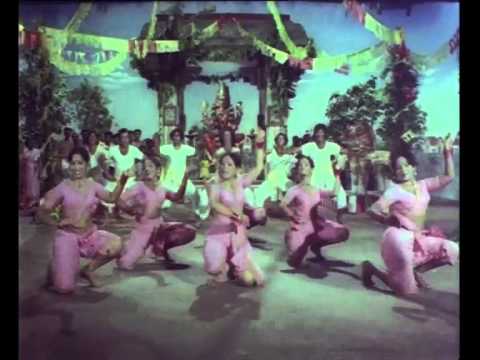
Vennila Vellithattu (Male) Lyrics
From the movie Kali Kovil Kabali
Vennila Vellithattu (Male) Song Lyrics is the track from Kali Kovil Kabali Tamil Film – 1979. This song was sung by மலேசியா வாசுதேவன். The music was composed by R. Rajesh. Lyrics works penned by Kannadasan.
Track Credits & Star Cast
Music & Lyrics
Singers
Star Cast
Not Specified
Vennilaa velli thattu Vaanilae mullai mottu
Annaithaanae vennilaa Thanthai ennaalum ponnaana vaanam
Vennilaa velli thattu Vaanilae mullai mottu
Kannan engae vaazhntha pothum Brinthavanam
Kaadu vetti thottam pottaal Poongaavanam
Kannan engae vaazhntha pothum Brindhavanam
Kaadu vetti thottam pottaal Poongaavanam
Paninthaal uyarum ungal manam
Vennilaa velli thattu Vaanilae mullai mottu
Theemai seithaal theemai undu Avan yaettilae
Nanmai seithaal nanmai undu Nam veettilae
Vidhiyum mathiyum verallavae
Vennilaa velli thattu Vaanilae mullai mottu
Annam itta kaiyil endrum Neer oottranum
Kannam itta kaiyil endrum Thee moottanum
Annam itta kaiyil endrum Neer oottranum
Kannam itta kaiyil endrum Thee moottanum
Pugazhum pazhiyum nammaal varum
Vaanilae mullai mottu Annaithaanae vennilaa
Thanthai ennaalum ponnaana vaanam
Vennilaa velli thattu Vaanilae mullai mottu
Song Meaning & Analysis
The song "Vennila Vellithattu" from 'Kali Kovil Kabali' is a philosophical reflection on life, karma, and human values, presented with poetic imagery. It opens by comparing the moon to a silver plate and a jasmine bud in the sky, symbolizing purity and beauty, further personifying the mother as the moon and the father as the golden sky, establishing a foundation of familial reverence and natural beauty. The lyrics then delve into the idea that one's actions shape their reality, much like how Krishna's presence made any place Brindavan, or how cultivating a forest turns it into a garden, emphasizing that humility elevates the mind.
The song strongly advocates for the principle of karma, stating that good deeds bring good outcomes and evil deeds bring negative consequences, implying that destiny is not separate from one's choices and intellect. It also touches upon the importance of gratitude and the necessity of confronting betrayal. The lines about pouring water for those who feed you and lighting a fire for those who betray highlight a pragmatic approach to relationships and justice. Ultimately, the song concludes that both fame and blame are direct results of our own actions, reinforcing the central theme of personal responsibility and the impact of one's conduct on their life and legacy.
Frequently Asked Questions
Who is the singer of Vennila Vellithattu (Male)?
Vennila Vellithattu (Male) is sung by மலேசியா வாசுதேவன்.
Which movie is Vennila Vellithattu (Male) from?
The song Vennila Vellithattu (Male) is featured in the movie Kali Kovil Kabali.
Who wrote the lyrics for Vennila Vellithattu (Male)?
The lyrics for Vennila Vellithattu (Male) were written by Kannadasan with music composed by R. Rajesh.
Is English translation available for Vennila Vellithattu (Male) lyrics?
Yes! Vennila Vellithattu (Male) lyrics from Kali Kovil Kabali include line-by-line English translation, English transliteration, and native Tamil script on Lyricsverse.
What is the meaning of Vennila Vellithattu (Male) lyrics?
The song "Vennila Vellithattu" from 'Kali Kovil Kabali' is a philosophical reflection on life, karma, and human values, presented with poetic imagery. It opens by comparing the moon to a silver plate and a jasmine bud in the sky, symbolizing purity and beauty, further personifying the mother as the moon and the father as the golden sky, establishing a foundation of familial reverence and natural beauty. The lyrics then delve into the idea that one's actions shape their reality, much like how Krishna's presence made any place Brindavan, or how cultivating a forest turns it into a garden, emphasizing that humility elevates the mind. The song strongly advocates for the principle of karma, stating that good deeds bring good outcomes and evil deeds bring negative consequences, implying that destiny is not separate from one's choices and intellect. It also touches upon the importance of gratitude and the necessity of confronting betrayal. The lines about pouring water for those who feed you and lighting a fire for those who betray highlight a pragmatic approach to relationships and justice. Ultimately, the song concludes that both fame and blame are direct results of our own actions, reinforcing the central theme of personal responsibility and the impact of one's conduct on their life and legacy.
Music Video