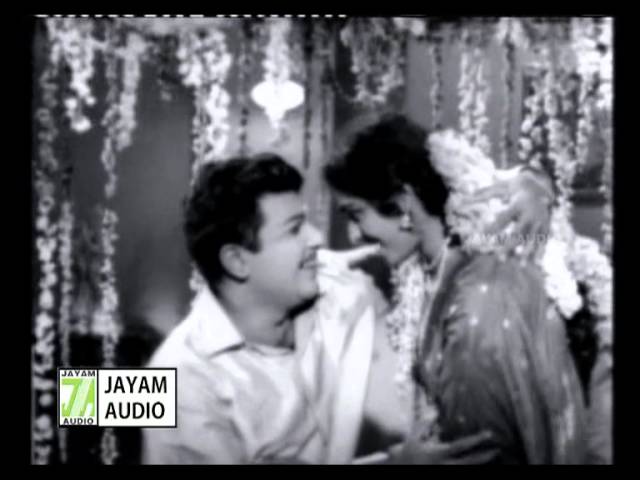
Vilakketri Vaikkiren Lyrics
From the movie Soodhattam 1971
Vilakketri Vaikkiren Song Lyrics is the track from Soodhattam 1971 Tamil Film – 1971. This song was sung by பி. சுஷீலா. The music was composed by M. S. Vishwanathan. Lyrics works penned by Kannadasan.
Track Credits & Star Cast
Music & Lyrics
Singers
Star Cast
Not Specified
Vilaketri vaikkiren Vidiya vidiya eriyattum
Nadakka pogum naatkal ellam Nallathaaga nadakkattum
Vilaketri vaikkiren Vidiya vidiya eriyattum
Nadakka pogum naatkal ellam Nallathaaga nadakkattum
Nallathaaga nadakkattum nadakkattum
Manjalilae nee koduthaai mangalam
Indha manjathilae naan tharuven manthiram
Manjalilae nee koduthaai mangalam
Indha manjathilae naan tharuven manthiram
Nenjathilae poosi vidum santhanam
Adhai konjatumae nee kodutha kungumam
Nenjathilae poosi vidum santhanam
Adhai konjatumae nee kodutha kungumam
Unnai thanjam endru Thazhuvi kondathu penmanam
Ini konjam alla Kodi kollum un manam
Vilaketri vaikkiren Vidiya vidiya eriyattum
Nadakka pogum naatkal ellam Nallathaaga nadakkattum
Nallathaaga nadakkattum nadakkattum
Hooo oo oo aaaaahmmmm mm
Karunai migum maari amman thunaiyilae Nalla kalviyudan selvam undu manaiyilae
Porumaiyudan paasam undu pennilae Adhan poojai ellaam ethirolikkum vinnilae
En veedu enbathum kovil enbathum Ondru thaan
Naan vaazhvu enbathai kaana vanthathu Ingu thaan
Vilaketri vaikkiren Vidiya vidiya eriyattum
Nadakka pogum naatkal ellam Nallathaaga nadakkattum
Nallathaaga nadakkattum nadakkattum
Paruvam kandu odi varum mazhaiyilae
Nalla pazhangalundu nellum undu vayalilae
Paruvam kandu odi varum mazhaiyilae
Nalla pazhangalundu nellum undu vayalilae
Kanavan enum megam thantha mazhaiyilae
Ilam manaiviyidam mazhalai varum madiyilae
Naan kaadhal deivam kaana vendum kannilae
Nee kaval deivam aaga vendum anbilae
Vilaketri vaikkiren Vidiya vidiya eriyattum
Nadakka pogum naatkal ellam Nallathaaga nadakkattum
Nallathaaga nadakkattum nadakkattum
Hooo oo oo aaaaahmmmm mm
Song Meaning & Analysis
This song, 'Vilakketri Vaikkiren,' from the 1971 film 'Soodhattam,' is a heartfelt expression of a woman's hopes and prayers for a blessed and prosperous married life. The act of lighting a lamp symbolizes auspicious beginnings, seeking divine blessings for a future filled with goodness. The lyrics beautifully intertwine themes of marital devotion, the sanctity of the home, and the desire for family well-being, portraying the wife's commitment to her husband and her role in nurturing their shared life.
The song delves into traditional values, where the wife sees her home as a temple and her life's purpose fulfilled within her marriage. She invokes the blessings of deities like Mariamman for education, wealth, and patience, and expresses her longing for children. The lyrics paint a picture of a harmonious domestic life, where the husband is a provider and protector, and the wife, a source of love and devotion, praying for their enduring happiness and prosperity.
Frequently Asked Questions
Who is the singer of Vilakketri Vaikkiren?
Vilakketri Vaikkiren is sung by பி. சுஷீலா.
Which movie is Vilakketri Vaikkiren from?
The song Vilakketri Vaikkiren is featured in the movie Soodhattam 1971.
Who wrote the lyrics for Vilakketri Vaikkiren?
The lyrics for Vilakketri Vaikkiren were written by Kannadasan with music composed by M. S. Vishwanathan.
Is English translation available for Vilakketri Vaikkiren lyrics?
Yes! Vilakketri Vaikkiren lyrics from Soodhattam 1971 include line-by-line English translation, English transliteration, and native Tamil script on Lyricsverse.
What is the meaning of Vilakketri Vaikkiren lyrics?
This song, 'Vilakketri Vaikkiren,' from the 1971 film 'Soodhattam,' is a heartfelt expression of a woman's hopes and prayers for a blessed and prosperous married life. The act of lighting a lamp symbolizes auspicious beginnings, seeking divine blessings for a future filled with goodness. The lyrics beautifully intertwine themes of marital devotion, the sanctity of the home, and the desire for family well-being, portraying the wife's commitment to her husband and her role in nurturing their shared life. The song delves into traditional values, where the wife sees her home as a temple and her life's purpose fulfilled within her marriage. She invokes the blessings of deities like Mariamman for education, wealth, and patience, and expresses her longing for children. The lyrics paint a picture of a harmonious domestic life, where the husband is a provider and protector, and the wife, a source of love and devotion, praying for their enduring happiness and prosperity.
