Yaar Kuzhandhai Nee Lyrics
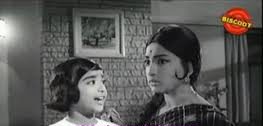
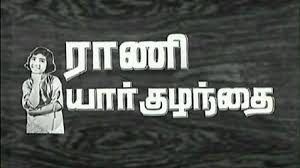
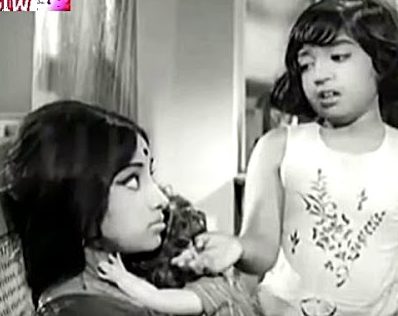
From the movie Rani Yaar Kuzhanthai
Yaar Kuzhandhai Nee Song Lyrics is the track from Rani Yaar Kuzhanthai Tamil Film – 1972. This song was sung by டி. எம். சௌந்தரராஜன். The music was composed by T. R. Raju. Lyrics works penned by Poovai Senguttavan.
Track Credits & Star Cast
Music & Lyrics
Singers
Star Cast
Not Specified
Yaar kuzhanthai nee … Nee yaar kuzhanthai
Yaar kuzhanthai nee … Nee yaar kuzhanthai
Yaar kuzhanthai nee … Nee yaar kuzhanthai
Thaaiyillai unakku thandhaiyillai Thaaiyillai unakku thandhaiyillai
Male & Chorus : Yaar kuzhanthai nee … Nee yaar kuzhanthai
Kandrinai pasuvoottum paravaiyum iraiyuttum Aaa…a.aaaaa…aaa…
Kandrinai pasuvoottum paravaiyum iraiyuttum
Thaaiyinai ninaivootum kaatchigal unai vaattum
Kaatchigal unai vaattum
Male & Chorus : Yaar kuzhanthai nee … Nee yaar kuzhanthai
Thaaiyinil uyarvaana koyilum ulagillai Thaaiyinil uyarvaana koyilum ulagillai
Pillaiyil peridhaana deivamum ver illai Deivamum ver illai
Male & Chorus : Yaar kuzhanthai nee … Nee yaar kuzhanthai
Iraivanae nee thandhai yaavarum un pillai Aaaaaaaaaaaa…aaa…
Iraivanae nee thandhai yaavarum un pillai Pettraval unakkillai
Deivamae nee yaar pillai Nee yaar pillai … nee yaar pillai
Song Meaning & Analysis
The song "Yaar Kuzhandhai Nee" from the 1972 film 'Rani Yaar Kuzhanthai' is a deeply moving and comforting address to an orphaned child. The lyrics, penned by Poovai Senguttavan and set to music by T. R. Raju, explore themes of parentage, divine love, and finding solace in the absence of biological parents. The central question, "Whose child are you?", is initially posed with a sense of sorrow, acknowledging the child's lack of a mother and father. However, the song quickly shifts from despair to reassurance, highlighting the universal truth that all living beings are nurtured – cows feed their calves, birds feed their young – implying that the child, too, will find care and love.
The song elevates the status of a mother, stating that no temple is greater than a mother, and conversely, no god is greater than a child. This emphasizes the sacred bond of parenthood and childhood. The ultimate comfort is offered by declaring that God Himself is the child's father, and everyone is His child. The lyrics gently convey that even without a birth mother, the child is not alone, as they are a divine offspring. It's a message of hope and spiritual adoption, assuring the child of unconditional love and belonging under the watchful eye of the Almighty, transforming a question of loss into a declaration of divine connection.
Frequently Asked Questions
Who is the singer of Yaar Kuzhandhai Nee?
Yaar Kuzhandhai Nee is sung by டி. எம். சௌந்தரராஜன்.
Which movie is Yaar Kuzhandhai Nee from?
The song Yaar Kuzhandhai Nee is featured in the movie Rani Yaar Kuzhanthai.
Who wrote the lyrics for Yaar Kuzhandhai Nee?
The lyrics for Yaar Kuzhandhai Nee were written by Poovai Senguttavan with music composed by T. R. Raju.
Is English translation available for Yaar Kuzhandhai Nee lyrics?
Yes! Yaar Kuzhandhai Nee lyrics from Rani Yaar Kuzhanthai include line-by-line English translation, English transliteration, and native Tamil script on Lyricsverse.
What is the meaning of Yaar Kuzhandhai Nee lyrics?
The song "Yaar Kuzhandhai Nee" from the 1972 film 'Rani Yaar Kuzhanthai' is a deeply moving and comforting address to an orphaned child. The lyrics, penned by Poovai Senguttavan and set to music by T. R. Raju, explore themes of parentage, divine love, and finding solace in the absence of biological parents. The central question, "Whose child are you?", is initially posed with a sense of sorrow, acknowledging the child's lack of a mother and father. However, the song quickly shifts from despair to reassurance, highlighting the universal truth that all living beings are nurtured – cows feed their calves, birds feed their young – implying that the child, too, will find care and love. The song elevates the status of a mother, stating that no temple is greater than a mother, and conversely, no god is greater than a child. This emphasizes the sacred bond of parenthood and childhood. The ultimate comfort is offered by declaring that God Himself is the child's father, and everyone is His child. The lyrics gently convey that even without a birth mother, the child is not alone, as they are a divine offspring. It's a message of hope and spiritual adoption, assuring the child of unconditional love and belonging under the watchful eye of the Almighty, transforming a question of loss into a declaration of divine connection.