Aanantha Bhavanam Lyrics
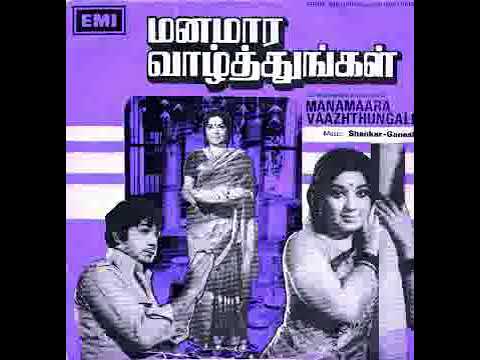
From the movie Manamara Vaazhthungal
Aanantha Bhavanam Song Lyrics is the track from Manamara Vaazhthungal Tamil Film – 1976. This song was sung by பி. பானுமதி. The music was composed by Shankar Ganesh. Lyrics works penned by Kannadasan.
Track Credits & Star Cast
Music & Lyrics
Singers
Star Cast
Not Specified
Aanandha bhavanam yamunai karaiyinilae Naan kanda ulagam illara kalaiyinilae
Naayagan devan naayagi devi Nanmai anbu panbu ellaam devan poojai
Aanandha bhavanam yamunai karaiyinilae
Naan kanda ulagam illara kalaiyinilae
Sooriyan oliyai chandhiran vaangi Tharuvathu polae kulamagalae
Thooyavalaaga maenmaiyai valarththu Sorkkam pola illam kaanum deivam thaaimai
Aanandha bhavanam yamunai karaiyinilae
Naan kanda ulagam illara kalaiyinilae
Saththiyaththil vaazhum ullam kuththuvilakku
Antha thaththuvathai sollum intha kuththuvilakku
Aadidum thottil illaiyendraalum
Annai ullam pennukkundu arivaai maathaa
Aanandha bhavanam yamunai karaiyinilae
Naan kanda ulagam illara kalaiyinilae
Thaayaval veettil oru magalaavaal Thazhuviya veettil marumagalae
Seedhaiyai kandu kodhaiyai kandu Paadhai kandu sellum mangai koyil paavai
Aanandha bhavanam yamunai karaiyinilae
Naan kanda ulagam illara kalaiyinilae
Song Meaning & Analysis
This song, 'Aanantha Bhavanam', from the 1976 film 'Manamara Vaazhthungal', beautifully articulates the traditional Indian ideals of marriage and the sanctity of domestic life. It portrays the home as a "blissful abode" where the husband and wife are revered as divine figures, and their virtues like goodness, love, and character are considered acts of worship. The lyrics emphasize the profound role of a woman, likening her to the moon reflecting the sun's light, suggesting her ability to bring warmth and light into the home by nurturing purity and excellence, thereby transforming the household into a heavenly dwelling.
The song further elevates the status of women by comparing a truthful heart to a traditional lamp, symbolizing wisdom and guidance. It highlights the inherent maternal instinct in every woman, asserting that even without a child's cradle, a woman possesses a mother's heart. The final stanza draws parallels between an ideal woman and revered mythological figures like Sita and Andal (Kodhai), suggesting that a woman who follows their virtuous path becomes as sacred and revered as a temple idol, embodying grace and devotion in her roles as a daughter and a daughter-in-law. The overall theme celebrates the sanctity of marriage, the dignity of domestic life, and the divine essence of womanhood in Indian culture.
Frequently Asked Questions
Who is the singer of Aanantha Bhavanam?
Aanantha Bhavanam is sung by பி. பானுமதி.
Which movie is Aanantha Bhavanam from?
The song Aanantha Bhavanam is featured in the movie Manamara Vaazhthungal.
Who wrote the lyrics for Aanantha Bhavanam?
The lyrics for Aanantha Bhavanam were written by Kannadasan with music composed by Shankar Ganesh.
Is English translation available for Aanantha Bhavanam lyrics?
Yes! Aanantha Bhavanam lyrics from Manamara Vaazhthungal include line-by-line English translation, English transliteration, and native Tamil script on Lyricsverse.
What is the meaning of Aanantha Bhavanam lyrics?
This song, 'Aanantha Bhavanam', from the 1976 film 'Manamara Vaazhthungal', beautifully articulates the traditional Indian ideals of marriage and the sanctity of domestic life. It portrays the home as a "blissful abode" where the husband and wife are revered as divine figures, and their virtues like goodness, love, and character are considered acts of worship. The lyrics emphasize the profound role of a woman, likening her to the moon reflecting the sun's light, suggesting her ability to bring warmth and light into the home by nurturing purity and excellence, thereby transforming the household into a heavenly dwelling. The song further elevates the status of women by comparing a truthful heart to a traditional lamp, symbolizing wisdom and guidance. It highlights the inherent maternal instinct in every woman, asserting that even without a child's cradle, a woman possesses a mother's heart. The final stanza draws parallels between an ideal woman and revered mythological figures like Sita and Andal (Kodhai), suggesting that a woman who follows their virtuous path becomes as sacred and revered as a temple idol, embodying grace and devotion in her roles as a daughter and a daughter-in-law. The overall theme celebrates the sanctity of marriage, the dignity of domestic life, and the divine essence of womanhood in Indian culture.