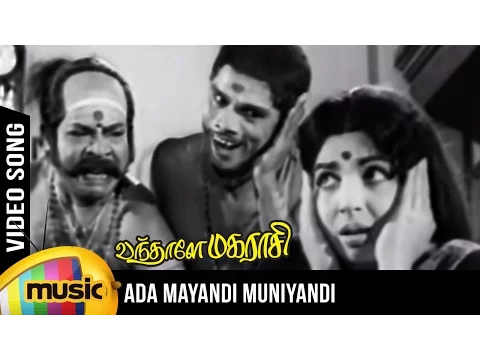
Ada Maayandi Lyrics
From the movie Vandhale Maharasi
Ada Maayandi Song Lyrics is the track from Vandhale Maharasi Tamil Film – 1973. This song was sung by எம். தங்கப்பன். The music was composed by Vaali. Lyrics works penned by Shankar Ganesh.
Track Credits & Star Cast
Music & Lyrics
Singers
Star Cast
Not Specified
Ada maayaandi malaiyaandi Madura muniyaandi
Peyaandi pichaandi Intha pei viratta naan vendi
Venthaenae innaalumaamaam Nee vanthidaiyyaa em melae…
Ada pallikkodam pogatha paavi paya mavanae
Antha kallukoodam engaedaa kanja paya mavanae
Kulaththil vizhuntha setha kuppanaa suppanaa
Illa kenaththil vizhunthu sitha kanthanaa nanthanaa
Kayaththilae thongi setha kallanaa kullanaa
Vayaththu valiyil seththa vaamanaa beemanaa
Paritchaiyil thoththu seththa paalanaa lolanaa
Kaanal parichaiyil thoththu pona paalanaa lolanaa
Kadan pattathaala suttukitta kaadaanaa maadaanaa
Dei solludaa dei vettipuduvaen solludaa
Hahahahahahahahahahahahaha
Song Meaning & Analysis
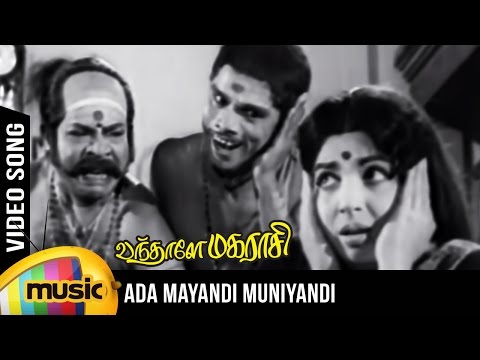
This song, "Ada Maayandi," from the 1973 film 'Vandhale Maharasi,' is a vibrant and intense folk-style number that delves into themes of spiritual invocation and aggressive interrogation. The opening lines are a fervent plea to various local deities and spirits—Maayaandi, Malaiyaandi, Muniaandi, Peyaandi, and Pichaandi—imploring them to descend and assist in driving away an evil spirit. This sets a dramatic and somewhat mystical tone, characteristic of rural Tamil folk traditions where such invocations are common for protection or exorcism. The urgency in the singer's voice suggests a dire situation requiring divine or spiritual intervention.
The song then abruptly shifts to a confrontational tone, launching into a rapid-fire, aggressive interrogation. The speaker hurls insults at an unseen or unidentified entity, calling them a "sinful son" and a "miserly wretch," and then proceeds to list various common names and tragic ways people might have died—from drowning in ponds and wells, to hanging, stomach ailments, failing exams, and even suicide due to debt. This relentless questioning, punctuated by threats like "I'll cut you!" and menacing laughter, creates a powerful sense of drama and suspense. It's likely used in the film to depict a scene of exorcism, a dramatic confrontation, or perhaps a comedic sequence where a character is being intensely questioned, possibly under the influence of a spirit or in a state of heightened emotion.
Frequently Asked Questions
Who is the singer of Ada Maayandi?
Ada Maayandi is sung by எம். தங்கப்பன்.
Which movie is Ada Maayandi from?
The song Ada Maayandi is featured in the movie Vandhale Maharasi.
Who wrote the lyrics for Ada Maayandi?
The lyrics for Ada Maayandi were written by Shankar Ganesh with music composed by Vaali.
Is English translation available for Ada Maayandi lyrics?
Yes! Ada Maayandi lyrics from Vandhale Maharasi include line-by-line English translation, English transliteration, and native Tamil script on Lyricsverse.
What is the meaning of Ada Maayandi lyrics?
This song, "Ada Maayandi," from the 1973 film 'Vandhale Maharasi,' is a vibrant and intense folk-style number that delves into themes of spiritual invocation and aggressive interrogation. The opening lines are a fervent plea to various local deities and spirits—Maayaandi, Malaiyaandi, Muniaandi, Peyaandi, and Pichaandi—imploring them to descend and assist in driving away an evil spirit. This sets a dramatic and somewhat mystical tone, characteristic of rural Tamil folk traditions where such invocations are common for protection or exorcism. The urgency in the singer's voice suggests a dire situation requiring divine or spiritual intervention. The song then abruptly shifts to a confrontational tone, launching into a rapid-fire, aggressive interrogation. The speaker hurls insults at an unseen or unidentified entity, calling them a "sinful son" and a "miserly wretch," and then proceeds to list various common names and tragic ways people might have died—from drowning in ponds and wells, to hanging, stomach ailments, failing exams, and even suicide due to debt. This relentless questioning, punctuated by threats like "I'll cut you!" and menacing laughter, creates a powerful sense of drama and suspense. It's likely used in the film to depict a scene of exorcism, a dramatic confrontation, or perhaps a comedic sequence where a character is being intensely questioned, possibly under the influence of a spirit or in a state of heightened emotion.
Music Video