Ammamma Lyrics
From the movie Kavalukku Kettikaran
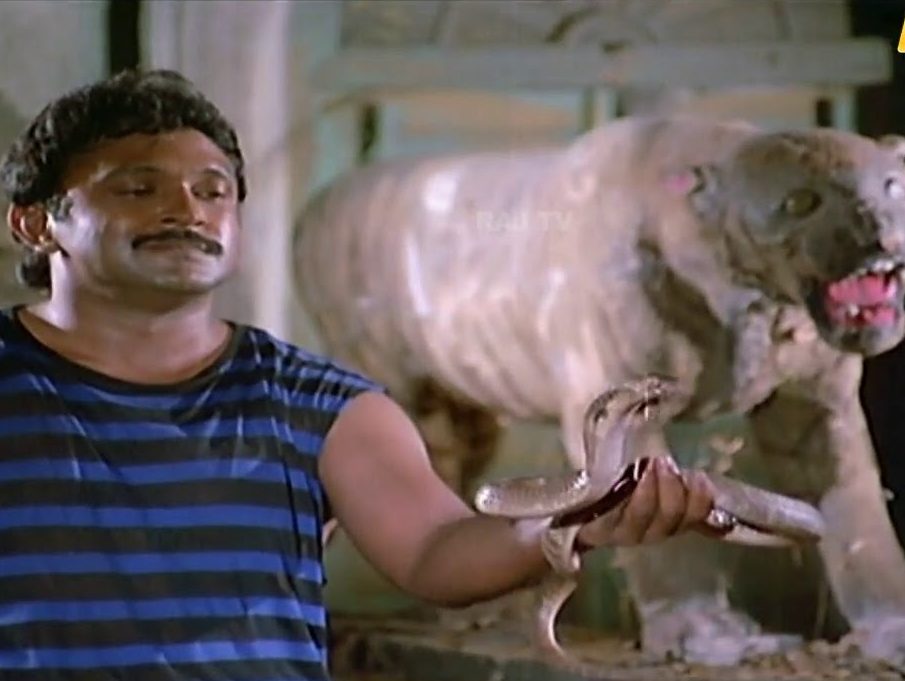
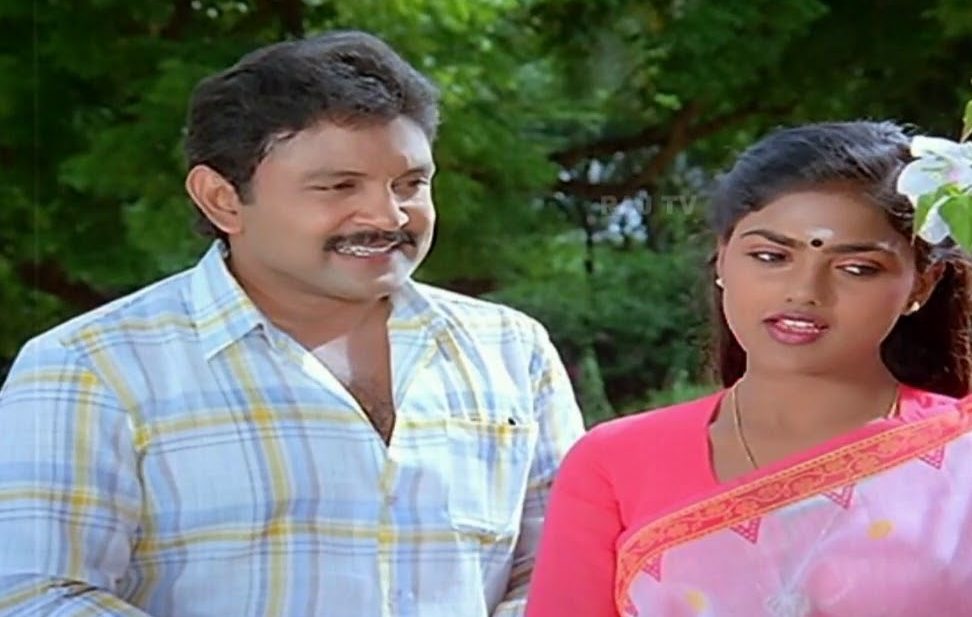
Ammamma Song Lyrics is the track from Kavalukku Kettikaran Tamil Film – 1990. This song was sung by மலேசிய வாசுதேவன். The music was composed by Ilayaraja. Lyrics works penned by M. Karunanidhi.
Track Credits & Star Cast
Music & Lyrics
Singers
Star Cast
Not Specified
Ammammaa Idhayam eriyum
Kodumai nadandhadhae… Poo maalai…
Kanalil vizhundhu Karugi ponadhae…
Theeyodu theeyaagi Theendhaayae… ammammaa…
Eriyum sidhaiyilae Nilavum karugavae
Thanimai chiraiyilae Manadhum urugavae
Anbu nenjamae Ingu analil vegudhae
Thunbam ondru thaan En sondham aanadhae
Kanavugal thaan kalaindhidavae Pudhu malar thaan posungiyadhae
Eriyum sidhaiyilae Nilavum karugavae
Thanimai chiraiyilae Manadhum urugavae
Anbu nenjamae Ingu analil vegudhae
Thunbam ondru thaan En sondham aanadhae
Sor ootti paathirundhu Sondham yena aadharitha
Thaayavalum thee kondaal Enna sadhiyo
Thaalaatta thaayum indri Solli azha yaarum indri
Yengi azhudhae ingae Ezhai kiliyae
Oliyae maraindhae kidakka Ulagae irulil thavikka
Adimai uyir thaan malivaa Vidivae yemakku illaiyaa
Vizhiyil theriyum vidivae Adhu dhinamum theriyum mudivae
Ingu vedithidum neruppinil Kodumaigal erindhidumae
Eriyum sidhaiyilae Nilavum karugavae
Thanimai chiraiyilae Manadhum urugavae
Anbu nenjamae Ingu analil vegudhae
Thunbam ondru thaan En sondham aanadhae
Aandaandu kaalam ingu Adimai yena vaazhndhadhellaam
Naalai mudhalae Ingae maari vidalaam
Vaadhaadi paarthadhellaam Veenaaga ponadhenna
Vaalai eduthaal ingae Needhi peralaam
Thunivae thunaiyaai ini vaa Puliyaai ezhuvaai manidhaa
Thadaiyae thagarum iniyae Dharumam jeyikkum nijamae
Kodumai chiraiyum udaikka Ooru sabadham yedutthu varuvaen
Ini vidindhidum pozhudhugal Namakkena vidiyattumae
Eriyum sidhaiyilae Nilavum karugavae
Thanimai chiraiyilae Manadhum urugavae
Anbu nenjamae Ingu analil vegudhae
Thunbam ondru thaan En sondham aanadhae
Kanavugal thaan kalaindhidavae Pudhu malar thaan posungiyadhae
Song Meaning & Analysis
This song, 'Ammamma' from 'Kavalukku Kettikaran', is a powerful and poignant lament that transitions into a call for rebellion against injustice. The initial verses express profound grief and despair, likening a tragic event to a flower garland burning in a pyre, symbolizing the loss of innocence and life. The imagery of a heart burning in a lonely prison and dreams shattering paints a picture of immense personal suffering and the feeling that sorrow has become one's only companion.
However, the song shifts from personal tragedy to a broader social commentary and a rallying cry. It questions the cheapness of a slave's life and the absence of dawn for the oppressed, suggesting that the visible dawn only brings a daily end to their hopes. The latter part of the song transforms into an anthem of defiance, urging people to rise like tigers, embrace courage, and fight for justice. It speaks of breaking the chains of cruelty and taking an oath to ensure that future dawns bring freedom and triumph for the oppressed, promising that dharma (justice) will ultimately prevail.
Frequently Asked Questions
Who is the singer of Ammamma?
Ammamma is sung by மலேசிய வாசுதேவன்.
Which movie is Ammamma from?
The song Ammamma is featured in the movie Kavalukku Kettikaran.
Who wrote the lyrics for Ammamma?
The lyrics for Ammamma were written by M. Karunanidhi with music composed by Ilayaraja.
Is English translation available for Ammamma lyrics?
Yes! Ammamma lyrics from Kavalukku Kettikaran include line-by-line English translation, English transliteration, and native Tamil script on Lyricsverse.
What is the meaning of Ammamma lyrics?
This song, 'Ammamma' from 'Kavalukku Kettikaran', is a powerful and poignant lament that transitions into a call for rebellion against injustice. The initial verses express profound grief and despair, likening a tragic event to a flower garland burning in a pyre, symbolizing the loss of innocence and life. The imagery of a heart burning in a lonely prison and dreams shattering paints a picture of immense personal suffering and the feeling that sorrow has become one's only companion. However, the song shifts from personal tragedy to a broader social commentary and a rallying cry. It questions the cheapness of a slave's life and the absence of dawn for the oppressed, suggesting that the visible dawn only brings a daily end to their hopes. The latter part of the song transforms into an anthem of defiance, urging people to rise like tigers, embrace courage, and fight for justice. It speaks of breaking the chains of cruelty and taking an oath to ensure that future dawns bring freedom and triumph for the oppressed, promising that dharma (justice) will ultimately prevail.