Annan Alla Thanthai Lyrics
From the movie Asthivaram
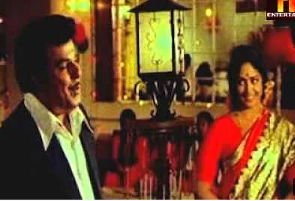
Annan Alla Thanthai Song Lyrics is the track from Asthivaram Tamil Film – 1982. This song was sung by பி. சுசீலா. The music was composed by Shankar Ganesh. Lyrics works penned by Vaali.
Track Credits & Star Cast
Music & Lyrics
Singers
Star Cast
Not Specified
Annan alla thanthai endraan Anni alla annai endraan
Pillaikku thanthai ullam puriyaathathaa Ullangal ondraiyondru ariyaathathaa
Annan alla thanthai endraan Anni alla annai endraan
Pillaikku thanthai ullam puriyaathathaa Ullangal ondraiyondru ariyaathathaa
Paavangal seithaal angae Pollaatha kaikaeyi
Pazhiyellaam kandaal ingae Poongodhai vaithegi
Vithiyendru ennikkondaan Raguraaman annaalil
Vellaatho dharmam endraan Vendraanae pinnaalil
Meendum oru mannan ena Thondrum nilai kaanalaam
Annan alla thanthai endraan Anni alla annai endraan
Pillaikku thanthai ullam puriyaathathaa Ullangal ondraiyondru ariyaathathaa
Kattil kondu vanthaayae Thottil kondu vanthaeno
Kollai selvam thanthaayae Pillai selvam thanthaeno
Kattil kondu vanthaayae Thottil kondu vanthaeno
Kollai selvam thanthaayae Pillai selvam thanthaeno
Aanaalum ennai ingu Thaalaatta seithaayae
Aanaalum ennai ingu Thaalaatta seithaayae
Anbaana thambikkennai Thaayaakki vaiththaayae
Annan alla thanthai endraan Anni alla annai endraan
Pillaikku thanthai ullam puriyaathathaa Ullangal ondraiyondru ariyaathathaa
Thanneeril theerum thaagam Kanneeril theerathu
Panneeril aadum poovum Venneeril aadaathu
Unnaalae vaazhum jeevan Thannaalae vaazhaathu
Ondralla jenmam kodi Neeyindri naanaethu
Neeraagavum peraagavum naan Kandathu unnaiththaan
Annan alla thanthai endraan Anni alla annai endraan
Pillaikku thanthai ullam puriyaathathaa Ullangal ondraiyondru ariyaathathaa
Song Meaning & Analysis
The song "Annan Alla Thanthai" from the movie 'Asthivaram' is a deeply emotional ode to familial love, sacrifice, and the profound bonds that transcend traditional roles. It opens with a child's perspective, recognizing an elder brother as a father figure and a sister-in-law as a mother, highlighting the depth of their care and the unconventional yet powerful family structure. The lyrics then draw a poignant parallel to the epic Ramayana, referencing Kaikeyi's actions and Sita's enduring sacrifices, suggesting that even in adversity and through difficult circumstances, dharma (righteousness and duty) ultimately prevails, and a new era of justice and love can emerge.
A significant portion of the song delves into a woman's lament about not bearing children, expressing a sense of inadequacy ("You brought a bed, did I bring a cradle?"). However, this sorrow transforms into profound gratitude and fulfillment as she embraces the role of a mother to her "loving younger brother's" child, emphasizing that true motherhood is not solely biological but born of love and nurturing. The song concludes with powerful metaphors about unwavering dependence and devotion, asserting that a life sustained by such love cannot thrive alone, and that the beloved is everything – "as water and as a name." It's a heartfelt narrative celebrating unconditional love, adoption, and the enduring strength of family ties.
Frequently Asked Questions
Who is the singer of Annan Alla Thanthai?
Annan Alla Thanthai is sung by பி. சுசீலா.
Which movie is Annan Alla Thanthai from?
The song Annan Alla Thanthai is featured in the movie Asthivaram.
Who wrote the lyrics for Annan Alla Thanthai?
The lyrics for Annan Alla Thanthai were written by Vaali with music composed by Shankar Ganesh.
Is English translation available for Annan Alla Thanthai lyrics?
Yes! Annan Alla Thanthai lyrics from Asthivaram include line-by-line English translation, English transliteration, and native Tamil script on Lyricsverse.
What is the meaning of Annan Alla Thanthai lyrics?
The song "Annan Alla Thanthai" from the movie 'Asthivaram' is a deeply emotional ode to familial love, sacrifice, and the profound bonds that transcend traditional roles. It opens with a child's perspective, recognizing an elder brother as a father figure and a sister-in-law as a mother, highlighting the depth of their care and the unconventional yet powerful family structure. The lyrics then draw a poignant parallel to the epic Ramayana, referencing Kaikeyi's actions and Sita's enduring sacrifices, suggesting that even in adversity and through difficult circumstances, dharma (righteousness and duty) ultimately prevails, and a new era of justice and love can emerge. A significant portion of the song delves into a woman's lament about not bearing children, expressing a sense of inadequacy ("You brought a bed, did I bring a cradle?"). However, this sorrow transforms into profound gratitude and fulfillment as she embraces the role of a mother to her "loving younger brother's" child, emphasizing that true motherhood is not solely biological but born of love and nurturing. The song concludes with powerful metaphors about unwavering dependence and devotion, asserting that a life sustained by such love cannot thrive alone, and that the beloved is everything – "as water and as a name." It's a heartfelt narrative celebrating unconditional love, adoption, and the enduring strength of family ties.