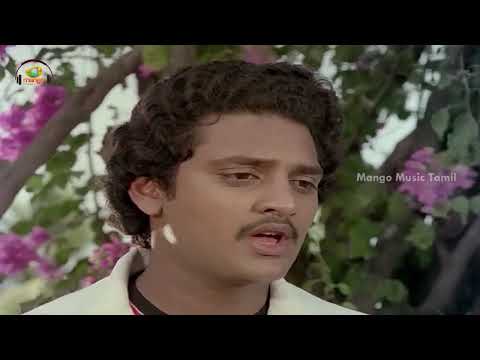
Dharama Thulabaram Lyrics
From the movie Neethi Devan Mayakkam
Dharama Thulabaram Song Lyrics is the track from Neethi Devan Mayakkam Tamil Film – 1982. This song was sung by எஸ். பி. பாலசுப்ரமணியம். The music was composed by K. V. Mahadevan. Lyrics works penned by Kannadasan.
Track Credits & Star Cast
Music & Lyrics
Singers
Star Cast
Not Specified
Dharma thulaapaaram idhu dharma thulaapaaram
Dharma thulaapaaram idhu dharma thulaapaaram
Kangalillaa niyaayangal saatchiyillaa dharmangal
Ondrai ondru modhi kollum
Needhi enna needhi idhu neetdhiyillaa needhi
Dharma thulaapaaram idhu dharma thulaapaaram
Saatchiyodu seivathuthaan niyaayamaana kuttram
Niyaaya devan kaigalilae neendathoru sattam
Thandanaiyai ketkkumpothu kuttravaali kalakkam
Thandanaikku pinpuraththil needhi devan mayakkam
Needhi devan mayakkam
Adhigaara suvar ezhuppi aniyaaya kadai nadaththi
Mudhalillaa vaanipaththil mundhi nirkkiraar
Dharma devar peyaralae droupathiyai thuyiluriyum
Soodhaattangal endrum poraattangal
Dharma thulaapaaram idhu dharma thulaapaaram
Saththiyaththai kondra pinbu sathiraaduthu kaalam
Sattamendra peyarinilae thittamitta viyaapaaram
Manithan sollum saatchiyellaam
Ooththedukkum niyaayangal
Manasaatchi enbathuthaan needhidevan aalayam
Aalayaththu munnilaiyil
Aandavanin sannathiyil
Aththanaikkum theerpalikkum saththiyasothanai
Niraparaathi viduthalaiyum kuttravaali thandanaiyum
Dharma saathanai athu saththiya dharamam miga uththma dharmam
Song Meaning & Analysis
This song, 'Dharma Thulabaram,' serves as a profound social commentary on the state of justice and righteousness in society. It metaphorically uses the 'weighing scale of Dharma' to highlight the imbalance and corruption prevalent in the legal system. The lyrics lament a world where justice is blind not by impartiality, but by a lack of true insight, and where righteousness lacks genuine witnesses, leading to constant conflict. It questions the very essence of justice when it seems devoid of fairness, portraying a system where the God of Justice himself is bewildered by the outcomes.
The song further criticizes those who exploit power to perpetuate injustice, likening their actions to a 'trade without capital' and invoking the imagery of Draupadi's disrobing to symbolize the violation of Dharma under the guise of authority. It contrasts flawed human testimonies and man-made laws, which are often a 'planned business,' with the ultimate sanctity of conscience as the true temple of justice. The song concludes by asserting that the real triumph of Dharma lies in the liberation of the innocent and the punishment of the guilty, emphasizing that this 'truth test' before the divine is the most supreme form of righteousness.
Frequently Asked Questions
Who is the singer of Dharama Thulabaram?
Dharama Thulabaram is sung by எஸ். பி. பாலசுப்ரமணியம்.
Which movie is Dharama Thulabaram from?
The song Dharama Thulabaram is featured in the movie Neethi Devan Mayakkam.
Who wrote the lyrics for Dharama Thulabaram?
The lyrics for Dharama Thulabaram were written by Kannadasan with music composed by K. V. Mahadevan.
Is English translation available for Dharama Thulabaram lyrics?
Yes! Dharama Thulabaram lyrics from Neethi Devan Mayakkam include line-by-line English translation, English transliteration, and native Tamil script on Lyricsverse.
What is the meaning of Dharama Thulabaram lyrics?
This song, 'Dharma Thulabaram,' serves as a profound social commentary on the state of justice and righteousness in society. It metaphorically uses the 'weighing scale of Dharma' to highlight the imbalance and corruption prevalent in the legal system. The lyrics lament a world where justice is blind not by impartiality, but by a lack of true insight, and where righteousness lacks genuine witnesses, leading to constant conflict. It questions the very essence of justice when it seems devoid of fairness, portraying a system where the God of Justice himself is bewildered by the outcomes. The song further criticizes those who exploit power to perpetuate injustice, likening their actions to a 'trade without capital' and invoking the imagery of Draupadi's disrobing to symbolize the violation of Dharma under the guise of authority. It contrasts flawed human testimonies and man-made laws, which are often a 'planned business,' with the ultimate sanctity of conscience as the true temple of justice. The song concludes by asserting that the real triumph of Dharma lies in the liberation of the innocent and the punishment of the guilty, emphasizing that this 'truth test' before the divine is the most supreme form of righteousness.