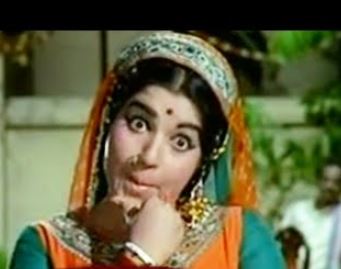
Engaladhu Bhoomi Lyrics
From the movie Needhi
Engaladhu Bhoomi Song Lyrics is the track from Needhi Tamil Film – 1972. This song was sung by டி. எம். சௌந்தரராஜன், பி. சுசீலா. The music was composed by M. S. Vishwanathan. Lyrics works penned by Kannadasan.
Track Credits & Star Cast
Music & Lyrics
Singers
Star Cast
Not Specified
Engaladhu boomi kaakka vandha saami
Ennaalum pakkam ninnu nalla vazhi kaami
Ennaalum pakkam ninnu nalla vazhi kaami
Unnaalae ooru pongudhu soru Unnaiyoru kovil katti kumbiduvom paaru
Unnaiyoru kovil katti kumbiduvom paaru
Alli alli thandha kaiyai Enni enni paaduvom
Kallam illaa ullam konda Pillai endru kooruvom
Alli alli thandha kaiyai Enni enni paaduvom
Kallam illaa ullam konda Pillai endru kooruvom
Engaladhu boomi kaakka vandha saami…
Thaangha dhinatthakka thaiyannatthaa
Thaangha dhinatthakka thaiyannatthaa
Thaangha dhinatthakka thaiyannatthaa
Thaangha dhinatthakka thaiyannatthaa
Sirai chaalai kaidhi endru sonnaanga Ungala sonnaanga
Naanga anbaalae kaidhiyaagi ninnonga
Aamaamaa ninnonga
Engirundho vandhaaru enga ooru raajaa
Ada enga ooru raajaa
Engirundho vandhaaru enga ooru raajaa
Annanidam thambiyidam needhi sonna raajaa
Annanidam thambiyidam needhi sonna raajaa
Alli alli thandha kaiyai Enni enni paaduvom
Kallam illaa ullam konda Pillai endru kooruvom
Engaladhu boomi kaakka vandha saami…
Oo…ooo…oo…oo…oo…oo…oo…oo…oo…o Oo…ooo…oo…oo…oo…oo…oo…oo…oo…o
Sondhamillae bandhamillae andha naalilae
Vandhadhellaam sondhamaachu indha oorilae
Sondhamillae bandhamillae andha naalilae
Vandhadhellaam sondhamaachu indha oorilae
Kandru pola aadugiraen paasa valaiyilae
Mannan pola vaazhugiraen anbu malayilae
Kandru pola aadugiraen paasa valaiyilae
Mannan pola vaazhugiraen anbu malayilae
Engaladhu boomi kaakka vandha saami…
Ada dikkiraennaanaa
Kaattaeri paeyi onnu aatti vacha kaalathilae
Pokka vandha doctor ivar yaettaiyaa
Kaattaeri paeyi onnu aatti vacha kaalathilae
Pokka vandha doctor ivar yaettaiyaa
Vilanghu pootta vandha saami idha
Maattikkittu anbu vachi
Paaraatti paada varum paattaiyaa
Ivara paaraatti paada varum paattaiyaa
Muthamizhin selvan vaazhga Mukkulathin kanmani vaazhga
Muthamizhin selvan vaazhga Mukkulathin kanmani vaazhga
Eppuramum pottrida vaazhga Engaladhu mannan vaazhga
Vaazhiyavae vaazhiyavae pallaandu
Pallaandu…
Paadugiraen paadugiraen pallaandu
Pallaandu…
Vaazhiyavae vaazhiyavae pallaandu Paadugiraen paadugiraen pallaandu
Male & Chorus : Vaazhiyavae vaazhiyavae pallaandu
Paadugiraen paadugiraen pallaandu
Pallaandu paadugindra nallavargal ingirukka Paasamoru thaaikku illaiyae
Ullathil ulladhellaam solli vitta pinnaalum Unmai thanai kaanavillaiyae
Dheivamendru ondru vandhu oorariya naadariya Thaayidathil saatchi sollumaa… aa…
Thaai manadhu maari ennai Naermaiyulla pillai endru
Thannidathil yaettru kollumaa… Ammaa ammammaa ammaa
Thannidathil yaettru kollumaa…
Song Meaning & Analysis
This song, "Engaladhu Bhoomi," from the 1972 film 'Needhi,' is a heartfelt tribute to a benevolent leader or figure, portrayed as a divine protector of the land and its people. The lyrics express profound gratitude and admiration, likening the protagonist to a god who ensures prosperity and justice. The villagers celebrate his generosity, innocence, and his role in bringing peace and order, even referring to him as a king who resolves disputes. The song captures the collective joy and reverence of a community that has found a savior, transforming their lives from a state of hardship to one of abundance and familial warmth.
The latter part of the song delves into a more personal and poignant plea, possibly from the protagonist himself or someone close to him, reflecting on past struggles and a yearning for acceptance. It touches upon themes of loneliness ("No relatives, no bonds in those days") and the transformative power of love and community ("All who came became family in this village"). The lyrics also hint at a past injustice or misunderstanding, where the protagonist was perhaps wrongly accused ("They called you a prisoner of the jail"), but ultimately found redemption and love among the people. The final verses express a deep desire for a mother's acceptance and recognition of his honesty, adding a layer of emotional depth to the celebratory tone.
Frequently Asked Questions
Who is the singer of Engaladhu Bhoomi?
Engaladhu Bhoomi is sung by டி. எம். சௌந்தரராஜன், பி. சுசீலா.
Which movie is Engaladhu Bhoomi from?
The song Engaladhu Bhoomi is featured in the movie Needhi.
Who wrote the lyrics for Engaladhu Bhoomi?
The lyrics for Engaladhu Bhoomi were written by Kannadasan with music composed by M. S. Vishwanathan.
Is English translation available for Engaladhu Bhoomi lyrics?
Yes! Engaladhu Bhoomi lyrics from Needhi include line-by-line English translation, English transliteration, and native Tamil script on Lyricsverse.
What is the meaning of Engaladhu Bhoomi lyrics?
This song, "Engaladhu Bhoomi," from the 1972 film 'Needhi,' is a heartfelt tribute to a benevolent leader or figure, portrayed as a divine protector of the land and its people. The lyrics express profound gratitude and admiration, likening the protagonist to a god who ensures prosperity and justice. The villagers celebrate his generosity, innocence, and his role in bringing peace and order, even referring to him as a king who resolves disputes. The song captures the collective joy and reverence of a community that has found a savior, transforming their lives from a state of hardship to one of abundance and familial warmth. The latter part of the song delves into a more personal and poignant plea, possibly from the protagonist himself or someone close to him, reflecting on past struggles and a yearning for acceptance. It touches upon themes of loneliness ("No relatives, no bonds in those days") and the transformative power of love and community ("All who came became family in this village"). The lyrics also hint at a past injustice or misunderstanding, where the protagonist was perhaps wrongly accused ("They called you a prisoner of the jail"), but ultimately found redemption and love among the people. The final verses express a deep desire for a mother's acceptance and recognition of his honesty, adding a layer of emotional depth to the celebratory tone.