
Ennadi Mayakkama Lyrics
From the movie Savale Samali
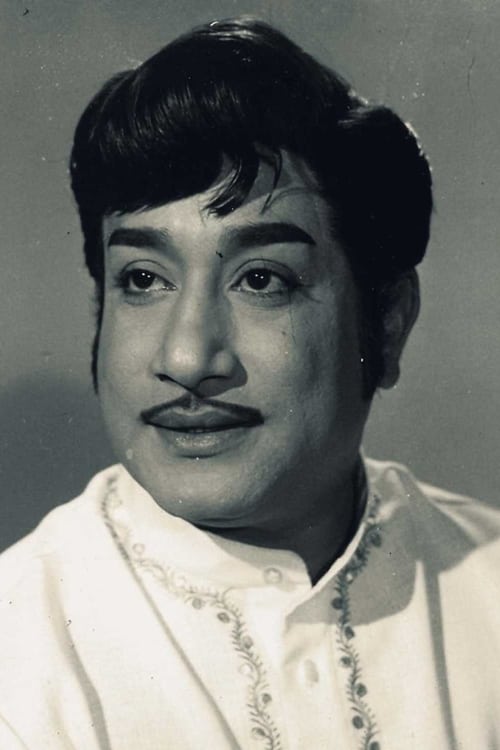
Ennadi Mayakkama Song Lyrics is the track from Savale Samali Tamil Film – 1971, Starring Sivaji Ganesan, J. Jayalalithaa, R. Muthuraman, Nagesh, C. R. Vijayakumari, M. N. Nambiar, V. S. Raghavan, T. K. Bhagavathi, S. Varalakshmi, Gandhimathi. This song was sung by பி. சுசீலா மற்றும் எல். ஆர். ஈஸ்வரி. The music was composed by M. S. Vishwanathan. Lyrics works penned by Kannadasan.
Track Credits & Star Cast
Music & Lyrics
Singers
Star Cast


Ennadi mayakkamaa solladi Ennadi mayakkamaa solladi
Kattuppadaadhae Unadhu urimaiyai vittu tharaadhae
Kattuppadaadhae Unadhu urimaiyai vittu tharaadhae
Vetkappadaadhae vilaga achappadaadhae Vetkappadaadhae vilaga achappadaadhae
Kalyaanam enbadho oppandham thaanadi Eppodhum maaralaam karppodu vaazhalaam
Ennadi mayakkamaa solladi
Manjalodu kungumamum Maalaigalum soodi aval
Vaazhgiraal vidhavai polae Manjalodu kungumamum
Maalaigalum soodi aval Vaazhgiraal vidhavai polae
Ival vaazhaadha pen endru ooraarin sollambu Paayum endhan melae
Paayum endhan melae… ae… Aa… aa… aa…
Hahahhaha hahahaha hahahahaha
Manjal ennadi maalai ennadi naagareega ulagil
Manjal ennadi maalai ennadi naagareega ulagil
Manam illaadhadhai manam enbadhu
Maara vendum viraivil
Vanji avanai vanji varuvaan unnai kenji
Ennadi mayakkamaa solladi
Ennadi mayakkamaa solladi
Anbendra ondru thaan pennallavaa Nam panpaadu pennukku kannallavaa
Thaai pola vaazhvadhae magalallavaa Adhai thaandinaal ulagathil pazhi allavaa
Adhai thaandinaal ulagathil pazhi allavaa… Aa… aa… aa…
Hahahhaha hahahaha hahahahaha
Haa anbu enbadhum panbu enbadhum Solli vandhadhalla
Aasai enbadhum thandhai thaayidam Vaangi vandhadhalla
Vanji avanai vanji varuvaan unnai kenji
Kattuppadaadhae Unadhu urimaiyai vittu tharaadhae
Vetkappadaadhae vilaga achappadaadhae Ennadi mayakkamaa solladi
Ennadi mayakkamaa solladi
Ennadi mayakkamaa solladi Hahahahahaha
Song Meaning & Analysis
This song is a poignant dialogue between two women, representing contrasting perspectives on marriage, societal expectations, and a woman's autonomy. One woman expresses her anguish and fear of societal judgment, feeling like a 'widow' despite being married if her relationship lacks love or respect. She upholds traditional values, emphasizing love, cultural norms, and the ideal of a daughter living like her mother, fearing the 'disgrace' of deviating from these paths.
The other woman, embodying a more modern and assertive viewpoint, urges her friend to break free from these constraints. She dismisses traditional symbols like turmeric and garlands as meaningless without genuine affection, asserting that marriage is merely a contract that can change. She encourages her friend to reclaim her rights, not to be shy or afraid of separation, and even suggests a strategic defiance to gain respect, highlighting the evolving discourse around women's independence and marital fulfillment in the early 1970s.
Frequently Asked Questions
Who is the singer of Ennadi Mayakkama?
Ennadi Mayakkama is sung by பி. சுசீலா மற்றும் எல். ஆர். ஈஸ்வரி.
Which movie is Ennadi Mayakkama from?
The song Ennadi Mayakkama is featured in the movie Savale Samali.
Who wrote the lyrics for Ennadi Mayakkama?
The lyrics for Ennadi Mayakkama were written by Kannadasan with music composed by M. S. Vishwanathan.
Is English translation available for Ennadi Mayakkama lyrics?
Yes! Ennadi Mayakkama lyrics from Savale Samali include line-by-line English translation, English transliteration, and native Tamil script on Lyricsverse.
What is the meaning of Ennadi Mayakkama lyrics?
This song is a poignant dialogue between two women, representing contrasting perspectives on marriage, societal expectations, and a woman's autonomy. One woman expresses her anguish and fear of societal judgment, feeling like a 'widow' despite being married if her relationship lacks love or respect. She upholds traditional values, emphasizing love, cultural norms, and the ideal of a daughter living like her mother, fearing the 'disgrace' of deviating from these paths. The other woman, embodying a more modern and assertive viewpoint, urges her friend to break free from these constraints. She dismisses traditional symbols like turmeric and garlands as meaningless without genuine affection, asserting that marriage is merely a contract that can change. She encourages her friend to reclaim her rights, not to be shy or afraid of separation, and even suggests a strategic defiance to gain respect, highlighting the evolving discourse around women's independence and marital fulfillment in the early 1970s.