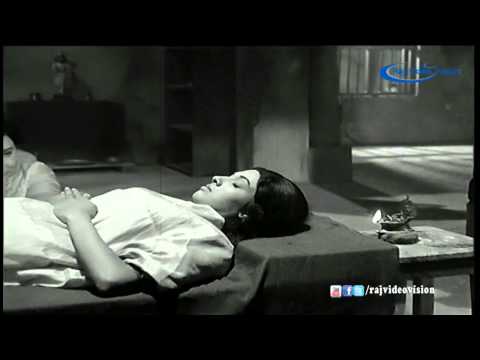
Ezhudhi Ezhudhi Lyrics
From the movie Gumasthavin Magal
Ezhudhi Ezhudhi Song Lyrics is the track from Gumasthavin Magal Tamil Film – 1974, Starring Sivakumar, Kamal Haasan, Aarathi, Usharani, Nagesh, Pandari Bai, V. S. Raghavan, T. K. Bhagavathi, Manorama. This song was sung by சூலமங்கலம் ராஜலட்சுமி மற்றும் எம். ஆர். விஜயா. The music was composed by Kunnakudi Vaidyanathan. Lyrics works penned by Poovai Senguttavan.
Track Credits & Star Cast
Music & Lyrics
Singers
Star Cast



Females : Ezhuthi ezhuthi pazhagi vanthaen Ezhuththu kootti paadi vanthaen
Paattukkullae murugan vanthaan Paadu paadu endru sonnaan
Ezhuthi ezhuthi pazhagi vanthaen Ezhuththu kootti paadi vanthaen
Paattukkullae murugan vanthaan Paadu paadu endru sonnaan
Thiruchendur vadivelum Thiruthanigai maamayilum
Females : Thiruchendur vadivelum Thiruthanigai maamayilum
Sanga tamizhil kanthan pugzhai Paada solli kettu varum
Kanthan pugazhai kettu kettu Velum mayilum aadi varum
Ezhuthi ezhuthi pazhagi vanthaen Ezhuththu kootti paadi vanthaen
Paattukkullae murugan vanthaan Paadu paadu endru sonnaan
Females : Pazhamudhirchozhai panneerum Swaami malai thiruneerum
Pazhamudhirchozhai panneerum Swaami malai thiruneerum
Valli kanavan murugan peyarai Paada solli arul koorum
Vanna kavithai paada paada Vaazhvum valamum thaedi varum
Ezhuthi ezhuthi pazhagi vanthaen Ezhuththu kootti paadi vanthaen
Paattukkullae murugan vanthaan Paadu paadu endru sonnaan
Females : Pazhanimalai panjamirutham Parangundra santhanamum
Pazhanimalai panjamirutham Parangundra santhanamum
Ullam thannil inbam thanthu Kumaran arulai paadi varum
Pillai tamizhai alli thanthu Perum pugazhum saerththu vidum
Ezhuthi ezhuthi pazhagi vanthaen Ezhuththu kootti paadi vanthaen
Paattukkullae murugan vanthaan Paadu paadu endru sonnaan
Ezhuthi ezhuthi pazhagi vanthaen Ezhuththu kootti paadi vanthaen
Paattukkullae murugan vanthaan Paadu paadu endru sonnaan
Paadu paadu endru sonnaan
Song Meaning & Analysis
This devotional song, 'Ezhudhi Ezhudhi', from the 1974 film 'Gumasthavin Magal', is a heartfelt ode to Lord Murugan, the Tamil deity of war, youth, and beauty. The lyrics express the singers' journey of learning and devotion, starting from the basic act of writing and spelling, which culminates in a divine encounter where Murugan himself inspires them to sing his praises. The song beautifully weaves in references to Murugan's six abodes (Arupadaiveedu) – Thiruchendur, Thiruthani, Pazhamudircholai, Swamimalai, Palani, and Thiruparankundram – highlighting their iconic symbols and offerings like the Vel (spear), peacock, rosewater, sacred ash, Panchamirtham, and sandalwood.
The core theme revolves around the profound joy and blessings derived from singing the glory of Lord Murugan. The lyrics suggest that continuous devotion, expressed through song, not only brings spiritual fulfillment but also material prosperity and renown. The mention of 'Pillai Thamizh' (a genre of Tamil poetry dedicated to deities or children) further emphasizes the rich cultural and literary tradition associated with Murugan worship. The song captures a mood of pure devotion, gratitude, and the blissful experience of divine inspiration, promising that life and wealth will follow those who sing his colorful praises.
Frequently Asked Questions
Who is the singer of Ezhudhi Ezhudhi?
Ezhudhi Ezhudhi is sung by சூலமங்கலம் ராஜலட்சுமி மற்றும் எம். ஆர். விஜயா.
Which movie is Ezhudhi Ezhudhi from?
The song Ezhudhi Ezhudhi is featured in the movie Gumasthavin Magal.
Who wrote the lyrics for Ezhudhi Ezhudhi?
The lyrics for Ezhudhi Ezhudhi were written by Poovai Senguttavan with music composed by Kunnakudi Vaidyanathan.
Is English translation available for Ezhudhi Ezhudhi lyrics?
Yes! Ezhudhi Ezhudhi lyrics from Gumasthavin Magal include line-by-line English translation, English transliteration, and native Tamil script on Lyricsverse.
What is the meaning of Ezhudhi Ezhudhi lyrics?
This devotional song, 'Ezhudhi Ezhudhi', from the 1974 film 'Gumasthavin Magal', is a heartfelt ode to Lord Murugan, the Tamil deity of war, youth, and beauty. The lyrics express the singers' journey of learning and devotion, starting from the basic act of writing and spelling, which culminates in a divine encounter where Murugan himself inspires them to sing his praises. The song beautifully weaves in references to Murugan's six abodes (Arupadaiveedu) – Thiruchendur, Thiruthani, Pazhamudircholai, Swamimalai, Palani, and Thiruparankundram – highlighting their iconic symbols and offerings like the Vel (spear), peacock, rosewater, sacred ash, Panchamirtham, and sandalwood. The core theme revolves around the profound joy and blessings derived from singing the glory of Lord Murugan. The lyrics suggest that continuous devotion, expressed through song, not only brings spiritual fulfillment but also material prosperity and renown. The mention of 'Pillai Thamizh' (a genre of Tamil poetry dedicated to deities or children) further emphasizes the rich cultural and literary tradition associated with Murugan worship. The song captures a mood of pure devotion, gratitude, and the blissful experience of divine inspiration, promising that life and wealth will follow those who sing his colorful praises.
Music Video