Iraivan Ulagathai Lyrics
From the movie Unakkaga Naan
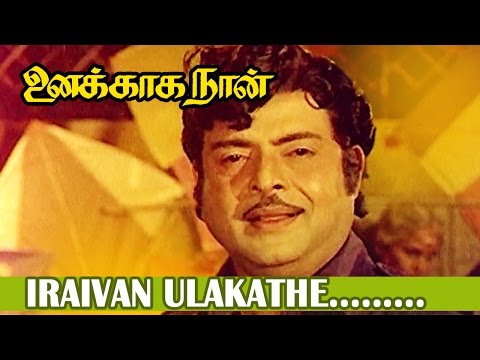
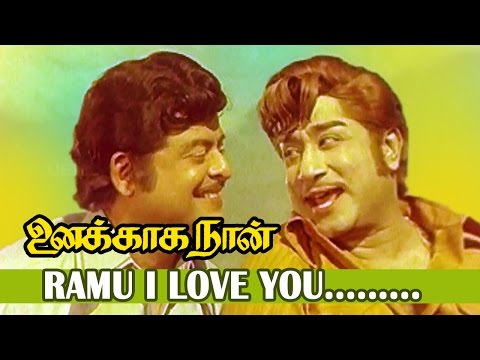
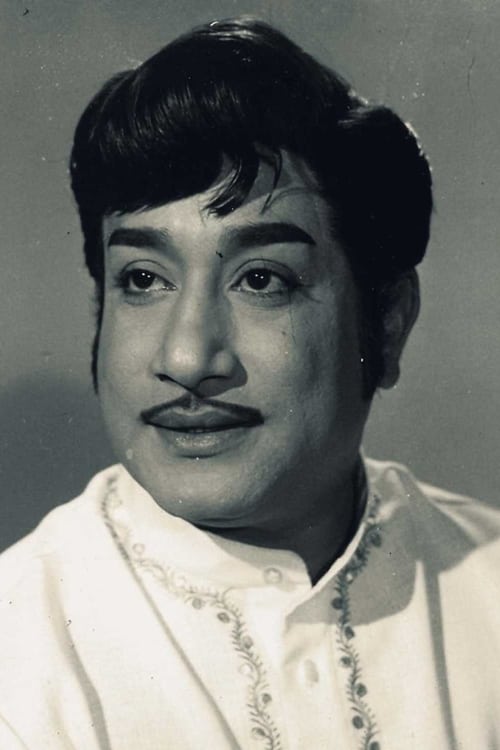
Iraivan Ulagathai Song Lyrics is the track from Unakkaga Naan Tamil Film – 1976, Starring Sivaji Ganesan, Gemini Ganesan, Lakshmi, K. Balaji, Vennira Aadai Nirmala, Major Sundarrajan, S. V. Subbaiah, R. S. Manohar, S. V. Ramadas, V. K. Ramasamy. This song was sung by கே. ஜே. யேசுதாஸ். The music was composed by M. S. Viswanathan. Lyrics works penned by Kannadasan.
Track Credits & Star Cast
Music & Lyrics
Singers
Star Cast


Iraivan ulagaththai padaiththaanaam
Yaezhmaiyaei avanthaan padaiththaanaam
Iraivan ulagaththai padaiththaanaam
Yaezhmaiyaei avanthaan padaiththaanaam
Yaezhaiyai padaiththavan avanendraal Iraivan enbavan edharkaaga
Yaezhaiyai padaiththavan avanendraal Iraivan enbavan edharkaaga
Iraivan enbavan edharkaaga
Ponnagai anintha maaligaigal Punnagai marantha man kudisai
Ponnagai anintha maaligaigal Punnagai marantha man kudisai
Pasi vara angae maaththiraigal Pattiniyaal ingu yaaththiraigal
Iru verulagam idhuvendraal Iraivan enbavan edharkaaga
Iraivan ulagaththai padaiththaanaam
Yaezhmaiyaei avanthaan padaiththaanaam
Uyarae parakkum kaaththaadi Udhavum yaezhai nool polae
Uyarae parakkum kaaththaadi Udhavum yaezhai nool polae
Pattam pol aval palapalappaar Nool polae ivar ilaiththiruppaar
Iru veriyakkam idhuvendraal Iraivan enbavan edharkaaga
Iraivan ulagaththai padaiththaanaam
Yaezhmaiyaei avanthaan padaiththaanaam
Iraivan ingae varavillai Enavae naan angu pogindraen
Iraivan ingae varavillai Enavae naan angu pogindraen
Varumai muzhuvathum theerntha pinnae Marupadi oru naal naan varuvaen
Marupadi oru naal naan varuvaen…
Song Meaning & Analysis
The song "Iraivan Ulagathai" is a powerful and poignant critique of social inequality and the perceived inaction of a divine power in the face of human suffering. The lyricist, Kannadasan, questions the very purpose of God if He is responsible for both creation and poverty. The song vividly contrasts the opulent lives of the wealthy, symbolized by "mansions adorned with golden smiles" and access to "medicines for hunger," with the dire existence of the poor in "mud huts that have forgotten smiles" and whose "journeys are made by starvation."
Through metaphors like the kite and its thread, the song highlights the exploitative relationship where the rich soar high due to the unseen support and sacrifice of the poor. The speaker's ultimate declaration – that God did not come to them, so they will go to God, promising to return only when poverty is completely eradicated – serves as a defiant challenge to divine justice and a profound statement on human agency and the pursuit of a more equitable world. It's a call for accountability, whether from a higher power or from society itself, to address systemic injustices.
Frequently Asked Questions
Who is the singer of Iraivan Ulagathai?
Iraivan Ulagathai is sung by கே. ஜே. யேசுதாஸ்.
Which movie is Iraivan Ulagathai from?
The song Iraivan Ulagathai is featured in the movie Unakkaga Naan.
Who wrote the lyrics for Iraivan Ulagathai?
The lyrics for Iraivan Ulagathai were written by Kannadasan with music composed by M. S. Viswanathan.
Is English translation available for Iraivan Ulagathai lyrics?
Yes! Iraivan Ulagathai lyrics from Unakkaga Naan include line-by-line English translation, English transliteration, and native Tamil script on Lyricsverse.
What is the meaning of Iraivan Ulagathai lyrics?
The song "Iraivan Ulagathai" is a powerful and poignant critique of social inequality and the perceived inaction of a divine power in the face of human suffering. The lyricist, Kannadasan, questions the very purpose of God if He is responsible for both creation and poverty. The song vividly contrasts the opulent lives of the wealthy, symbolized by "mansions adorned with golden smiles" and access to "medicines for hunger," with the dire existence of the poor in "mud huts that have forgotten smiles" and whose "journeys are made by starvation." Through metaphors like the kite and its thread, the song highlights the exploitative relationship where the rich soar high due to the unseen support and sacrifice of the poor. The speaker's ultimate declaration – that God did not come to them, so they will go to God, promising to return only when poverty is completely eradicated – serves as a defiant challenge to divine justice and a profound statement on human agency and the pursuit of a more equitable world. It's a call for accountability, whether from a higher power or from society itself, to address systemic injustices.
Music Video