Kalyana Thirukovil Deiveegame Lyrics
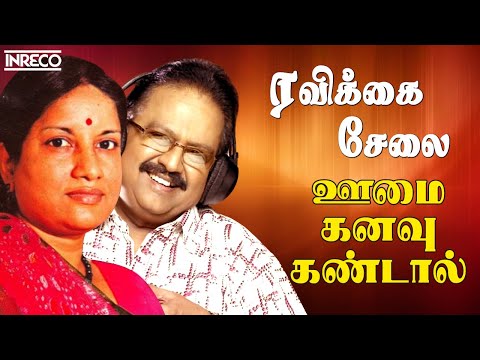
From the movie Oomai Kanavu Kandal
Kalyana Thirukovil Deiveegame Song Lyrics is the track from Oomai Kanavu Kandal Tamil Film – 1980. This song was sung by எஸ். பி. பாலசுப்ரமணியம் மற்றும் ஏ. வி. ரமணன். The music was composed by Shankar Ganesh. Lyrics works penned by Kannadasan.
Track Credits & Star Cast
Music & Lyrics
Singers
Star Cast
Not Specified
Kalyaana thirukkolam dheiveegamae Kaiyodu kai saerkkum manakkolamae
Thaanaaga thunai thedum ondru Thaai thanthai manam pesum ondru
Naal seivathaa illai naam seivathaa
Naal seivathaa illai naam seivathaa
Pettravargal penn paarththu Periyorkal naal kuriththu
Kalyaanam seithaal enna
Kangalai thoodhu vittu Kadhal enum perai sollum
Kadhaigalaiyae ninaiththaalenna Niraiverum kadhal endrum kavithai andro
Niraiverum kadhal endrum kavithai andro
Kalyaana thirukkolam dheiveegamae Kaiyodu kai saerkkum manakkolamae
Thaanaaga thunai thedum ondru Thaai thanthai manam pesum ondru
Kadhal sorkka pantham Kadavul thantha sontham
Thaanae thedi kondaal Sariththiram piranthuvidum
Uravilum sugam irukkum
Kalyaana thirukkolam dheiveegamae Kaiyodu kai saerkkum manakkolamae
Thaanaaga thunai thedum ondru Thaai thanthai manam pesum ondru
Sri raman seedhaiyaithaan thedi kondathillai
Palar seitha mudivallavaa
Kamban magan kadhalukku vambinilae mudintha kadhai
Avan seitha thavarallavaa
Thaai thanthai penn paarththaal thavaraathaiyyaa
Thaai thanthai penn paarththaal thavaraathaiyyaa
Kadhal paavam alla Edhuvum paavam alla
Ellaam vaazha vaikkum Iru manangal inaiyum
Endrum thirumanaththil mudiyum
Kalyaana thirukkolam dheiveegamae Kaiyodu kai saerkkum manakkolamae
Thaanaaga thunai thedum ondru Thaai thanthai manam pesum ondru
Song Meaning & Analysis
The song "Kalyana Thirukovil Deiveegame" from 'Oomai Kanavu Kandal' explores the timeless debate between love marriages and arranged marriages, framing marriage itself as a divine institution. The lyrics present a dialogue, contrasting the traditional path where parents and elders arrange a match with the modern idea of individuals finding love on their own. It questions whether destiny or personal choice dictates marital unions, highlighting the sanctity and joy inherent in both forms of commitment.
The song uses cultural references, such as Lord Rama and Sita's marriage (often seen as an arranged union, though with divine intervention) and a cautionary tale about Kamban's son's love, to argue for the wisdom of parental involvement. However, it also acknowledges the poetic beauty and historical significance of self-sought love. Ultimately, the song concludes that love itself is not a sin and that any union of two hearts, whether self-chosen or arranged, is meant to culminate in the sacred bond of marriage, bringing prosperity and happiness.
Frequently Asked Questions
Who is the singer of Kalyana Thirukovil Deiveegame?
Kalyana Thirukovil Deiveegame is sung by எஸ். பி. பாலசுப்ரமணியம் மற்றும் ஏ. வி. ரமணன்.
Which movie is Kalyana Thirukovil Deiveegame from?
The song Kalyana Thirukovil Deiveegame is featured in the movie Oomai Kanavu Kandal.
Who wrote the lyrics for Kalyana Thirukovil Deiveegame?
The lyrics for Kalyana Thirukovil Deiveegame were written by Kannadasan with music composed by Shankar Ganesh.
Is English translation available for Kalyana Thirukovil Deiveegame lyrics?
Yes! Kalyana Thirukovil Deiveegame lyrics from Oomai Kanavu Kandal include line-by-line English translation, English transliteration, and native Tamil script on Lyricsverse.
What is the meaning of Kalyana Thirukovil Deiveegame lyrics?
The song "Kalyana Thirukovil Deiveegame" from 'Oomai Kanavu Kandal' explores the timeless debate between love marriages and arranged marriages, framing marriage itself as a divine institution. The lyrics present a dialogue, contrasting the traditional path where parents and elders arrange a match with the modern idea of individuals finding love on their own. It questions whether destiny or personal choice dictates marital unions, highlighting the sanctity and joy inherent in both forms of commitment. The song uses cultural references, such as Lord Rama and Sita's marriage (often seen as an arranged union, though with divine intervention) and a cautionary tale about Kamban's son's love, to argue for the wisdom of parental involvement. However, it also acknowledges the poetic beauty and historical significance of self-sought love. Ultimately, the song concludes that love itself is not a sin and that any union of two hearts, whether self-chosen or arranged, is meant to culminate in the sacred bond of marriage, bringing prosperity and happiness.