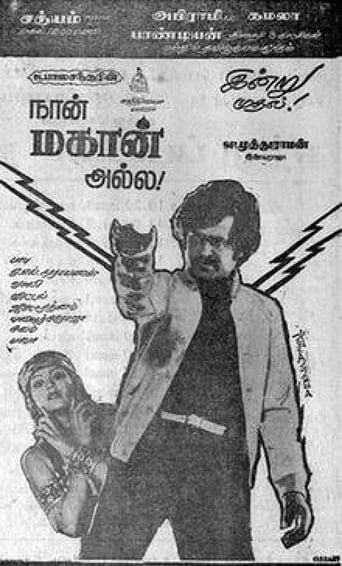
Kalyanam Vaibogam Lyrics
From the movie Naan Mahaan Alla
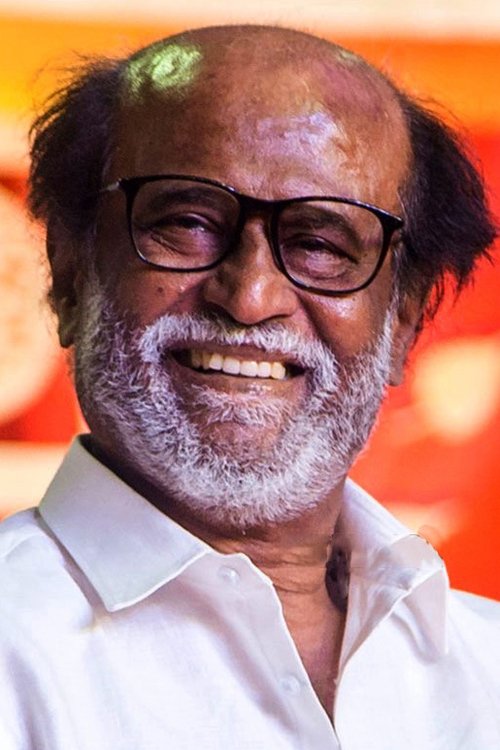
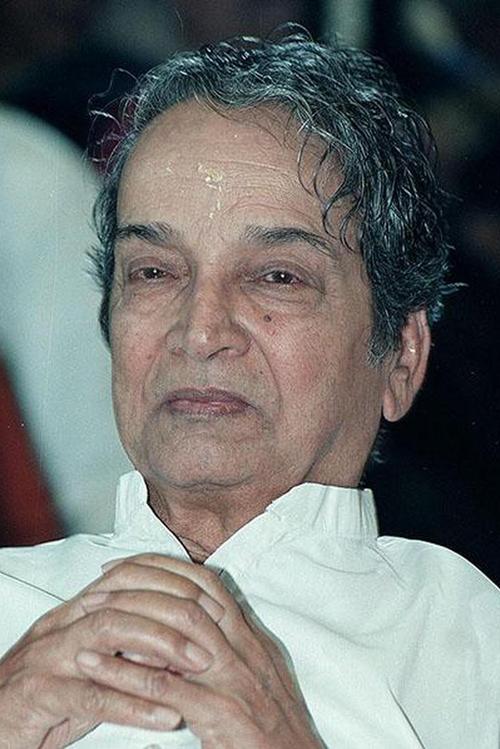
Kalyanam Vaibogam Song Lyrics is the track from Naan Mahaan Alla Tamil Film – 1984, Starring Rajinikanth, Radha, M. N. Nambiar, V. K. Ramasamy, Cho Ramaswamy, Senthamarai, Sathyaraj, Sangili Murugan, K. Kannan, A. R. Srinivasan. This song was sung by எஸ்.ஜானகி மற்றும் எஸ். பி. பாலசுப்ரமணியம். The music was composed by Ilayaraja. Lyrics works penned by Vaali.
Track Credits & Star Cast
Singers
Star Cast

Kalyanam vaibogam Endrendrum vazhga aa
Inbangal soozhga aaa Naan paadum nal vazhthu
Deivathin varthaigal agaa
Kalyanam vaibogam Endrendrum vazhga aa
Inbangal soozhga
Kaalamae un leelaiyaal Paadhai maaralam
Kangalae un paarvaiyil Bodhai yeralam
{Paasam nesam anbu Ponal thunbam pinbu} (2)
Palingu neerum kalangamagum Purindhu kolla vendum
Kalyanam vaibogam Endrendrum vazhga aa
Inbangal soozhga
Ezhai naan en vasalil Devan thondrinaan
Vazha naan en veetilae Deepam yetrinaan
{Paal pol parthen andru Paalo kallo indru} (2)
Niranthin vellai gunathil illai Therinthu kollu kannae
Kalyanam vaibogam Endrendrum vazhga
Inbangal soozhga Come on…
Kalyanam vaibogam Endrendrum vazhga …
Inbangal soozhga aaa Naan paadum nal vazhthu
Deivathin varthaigal agaa
Kalyanam vaibogam Endrendrum vazhga …
Inbangal soozhga
La la la la la la la la La la la laa…la la la laaa
La la la la la la la la La la la laa…la la la laaa
La la la la la la la la La la la laa…la la la laaa
Song Meaning & Analysis
This song, 'Kalyanam Vaibogam,' initially presents itself as a traditional wedding blessing, wishing eternal joy and prosperity to the couple, with the singer's good wishes elevated to divine pronouncements. However, it quickly delves into a more profound and cautionary reflection on the nature of relationships and life itself. It acknowledges that time can alter paths and that intense gazes can lead to intoxication, subtly hinting at the potential for change and illusion within love. The lyrics emphasize that affection, love, and kindness are crucial, as their absence inevitably leads to sorrow, and even the purest intentions can become tainted, urging a deep understanding of these truths.
The second part of the song shifts to a personal, almost melancholic, narrative. The singer recounts a past experience where divine intervention brought light and hope into their humble life. Yet, this memory is juxtaposed with a poignant question about the present: whether what was once perceived as pure and nourishing (like milk) has now turned into something harmful or deceptive (poison). This reflects a disillusionment where outward appearances (white color) do not align with inner character, serving as a stark reminder to be discerning and aware in matters of the heart, even amidst celebratory wishes.
Frequently Asked Questions
Who is the singer of Kalyanam Vaibogam?
Kalyanam Vaibogam is sung by எஸ்.ஜானகி மற்றும் எஸ். பி. பாலசுப்ரமணியம்.
Which movie is Kalyanam Vaibogam from?
The song Kalyanam Vaibogam is featured in the movie Naan Mahaan Alla.
Who wrote the lyrics for Kalyanam Vaibogam?
The lyrics for Kalyanam Vaibogam were written by Vaali with music composed by Ilayaraja.
Is English translation available for Kalyanam Vaibogam lyrics?
Yes! Kalyanam Vaibogam lyrics from Naan Mahaan Alla include line-by-line English translation, English transliteration, and native Tamil script on Lyricsverse.
What is the meaning of Kalyanam Vaibogam lyrics?
This song, 'Kalyanam Vaibogam,' initially presents itself as a traditional wedding blessing, wishing eternal joy and prosperity to the couple, with the singer's good wishes elevated to divine pronouncements. However, it quickly delves into a more profound and cautionary reflection on the nature of relationships and life itself. It acknowledges that time can alter paths and that intense gazes can lead to intoxication, subtly hinting at the potential for change and illusion within love. The lyrics emphasize that affection, love, and kindness are crucial, as their absence inevitably leads to sorrow, and even the purest intentions can become tainted, urging a deep understanding of these truths. The second part of the song shifts to a personal, almost melancholic, narrative. The singer recounts a past experience where divine intervention brought light and hope into their humble life. Yet, this memory is juxtaposed with a poignant question about the present: whether what was once perceived as pure and nourishing (like milk) has now turned into something harmful or deceptive (poison). This reflects a disillusionment where outward appearances (white color) do not align with inner character, serving as a stark reminder to be discerning and aware in matters of the heart, even amidst celebratory wishes.