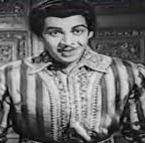
Kanmaniye Unnai Kana Lyrics
From the movie Captain Ranjan
Kanmaniye Unnai Kana Song Lyrics is the track from Captain Ranjan Tamil Film – 1969. This song was sung by பி. சுஷீலா. The music was composed by G. Ramanathan.
Track Credits & Star Cast
Kanmaniyae unnai Kaana undhan thandhai varuvaarae
Kanmaniyae unnai Kaana undhan thandhai varuvaarae
Chinnanchiru vaayaal Sindhum mozhi kaettu magizhvaarae
Chinnanchiru vaayaal Sindhum mozhi kaettu magizhvaarae
Kanmaniyae unnai Kaana undhan thandhai varuvaarae
Unnai kaanum aaval meeriyae aa…aa…
Unnai kaanum aaval meeriyae avar
Ullam thudipparae thannilai maariyae
Ullam thudipparae thannilai maariyae
Minnidum undhan kannam thannai killi
Minnidum undhan kannam thannai killi
Vilaiyaadhum nilai kaana thavippeerae
Kanmaniyae unnai Kaana undhan thandhai varuvaarae
Chinnanchiru vaayaal Sindhum mozhi kaettu magizhvaarae
Kanmaniyae unnai Kaana undhan thandhai varuvaarae
Ponnaal thandai seidhu poduvaar Un punnagai kandaalae aadi paaduvaar
Thanniru kaiyaal unnai avar alli Thanniru kaiyaal unnai avar alli
Thaalatti aanandham adai vaarae
Kanmaniyae unnai Kaana undhan thandhai varuvaarae
Maalai velai thaavi inbamaai Nee thandhaiyin mugam nokkuvaai
Pambaram bommai pattam vaangi ellaam Pambaram bommai pattam vaangi ellaam
Anbodu unakkaethaan tharuvaarae…
Kanmaniyae unnai Kaana undhan thandhai varuvaarae
Song Meaning & Analysis
This song is a tender lullaby or a comforting song sung to a child, likely by a mother, anticipating the return of the father. The lyrics beautifully paint a picture of a father's immense love and longing for his child. It describes his eagerness to see the child, his heart throbbing with anticipation, and the joy he finds in the child's innocent babbling and playful gestures. The song highlights the father's deep affection, portraying him as someone who would shower the child with gifts, lull them to sleep, and find ultimate happiness in their presence.
The emotional core of the song lies in the celebration of paternal love and the simple, yet profound, joys of family life. It evokes a sense of warmth, security, and the special bond between a father and his child. The imagery of the father pinching the child's cheeks, making anklets, and buying toys underscores his doting nature. The song creates a hopeful and loving atmosphere, reassuring the child of their father's imminent arrival and the happiness he brings, making it a timeless ode to parental affection.
Frequently Asked Questions
Who is the singer of Kanmaniye Unnai Kana?
Kanmaniye Unnai Kana is sung by பி. சுஷீலா.
Which movie is Kanmaniye Unnai Kana from?
The song Kanmaniye Unnai Kana is featured in the movie Captain Ranjan.
Who wrote the lyrics for Kanmaniye Unnai Kana?
The lyrics for Kanmaniye Unnai Kana were written by Unknown with music composed by G. Ramanathan.
Is English translation available for Kanmaniye Unnai Kana lyrics?
Yes! Kanmaniye Unnai Kana lyrics from Captain Ranjan include line-by-line English translation, English transliteration, and native Tamil script on Lyricsverse.
What is the meaning of Kanmaniye Unnai Kana lyrics?
This song is a tender lullaby or a comforting song sung to a child, likely by a mother, anticipating the return of the father. The lyrics beautifully paint a picture of a father's immense love and longing for his child. It describes his eagerness to see the child, his heart throbbing with anticipation, and the joy he finds in the child's innocent babbling and playful gestures. The song highlights the father's deep affection, portraying him as someone who would shower the child with gifts, lull them to sleep, and find ultimate happiness in their presence. The emotional core of the song lies in the celebration of paternal love and the simple, yet profound, joys of family life. It evokes a sense of warmth, security, and the special bond between a father and his child. The imagery of the father pinching the child's cheeks, making anklets, and buying toys underscores his doting nature. The song creates a hopeful and loving atmosphere, reassuring the child of their father's imminent arrival and the happiness he brings, making it a timeless ode to parental affection.