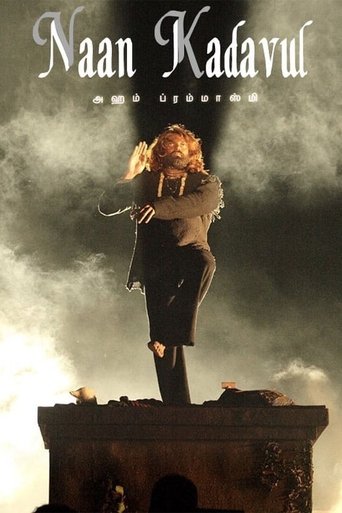
Kannil Paarvai Lyrics
From the movie Naan Kadavul
Kannil Paarvai Song Lyrics is the track from Naan Kadavul Tamil Film – 2009, Starring Arya, Pooja Umashankar, Rajendran, Krishnamoorthy, Azhagan Tamizhmani, Singampuli, Aacharya Ravi, Rasaiya Kannan, Thavasi, Murali. This song was sung by ஸ்ரேயா கோஷல். The music was composed by Ilayaraja. Lyrics works penned by Vaali.
Track Credits & Star Cast
Singers
Star Cast



Kannil paarvai pona podhum Kannil eeram thadhumbum thadhumbum
Kannilladha perai kandaal Kanaakkal odhungum odhungum
Kanaavil kooda inbam Vaaramal indha janmam
Oh deivamae idhu sammadhamo…
Kannil paarvai pona podhum Kannil eeram thadhumbum thadhumbum
Kannilladha perai kandaal Kanaakkal odhungum odhungum
Yaarkkum poloru annai thandhai Enakkum irundhadhu undu
Yaarkkum poloru dhegam… thaagam Enakkum valarndhathu ingu
Yaarkum polae Vizhigal irundhum
Ulagamo irulil Oliyai polae orr thunai
Vandhu sendra thunbam yaarkkum undo
Kannil paarvai pona podhum Kannil eeram thadhumbum thadhumbum
Kannilladha perai kandaal Kanaakkal odhungum odhungum
Veedhi endroru veedum undu Enakadhu sondham indru
Vaanam endroru koorai undu Vizhigalum ariyaadhu
Veliyilla solaikkaaga Vandhadhorr kaaval
Kangal konda theivavumum Kaavalan kondu sendradheno…
Kannil paarvai pona podhum Kannil eeram thadhumbum thadhumbum
Kannilladha perai kandaal Kanaakkal odhungum odhungum
Kanaavil kooda inbam Vaaramal indha janmam
Oh deivamae idhu sammadhamo…
Kannil paarvai pona podhum Kannil eeram thadhumbum thadhumbum
Kannilladha perai kandaal Kanaakkal odhungum odhungum
Song Meaning & Analysis
The song 'Kannil Paarvai' from the movie 'Naan Kadavul' is a poignant lament from the perspective of a visually impaired individual, likely a beggar, reflecting on their tragic fate. The lyrics express profound sorrow over the loss of sight, the constant welling of tears, and the inability to even dream of happiness. The protagonist questions divine justice, asking if such a life, devoid of joy, is acceptable to God. It highlights the stark contrast between a past life with parents and desires, similar to others, and the present reality of a world shrouded in darkness despite having once possessed sight.
The song further delves into the vulnerability and isolation of the blind, describing the street as their home and the sky as their unperceived roof. It speaks of a 'guard' or protector who came but was inexplicably taken away, possibly symbolizing a lost loved one, a fleeting moment of hope, or even God's perceived abandonment. The recurring theme is one of existential despair, a life lived in perpetual shadow, and a deep yearning for understanding and solace in the face of insurmountable suffering.
Frequently Asked Questions
Who is the singer of Kannil Paarvai?
Kannil Paarvai is sung by ஸ்ரேயா கோஷல்.
Which movie is Kannil Paarvai from?
The song Kannil Paarvai is featured in the movie Naan Kadavul.
Who wrote the lyrics for Kannil Paarvai?
The lyrics for Kannil Paarvai were written by Vaali with music composed by Ilayaraja.
Is English translation available for Kannil Paarvai lyrics?
Yes! Kannil Paarvai lyrics from Naan Kadavul include line-by-line English translation, English transliteration, and native Tamil script on Lyricsverse.
What is the meaning of Kannil Paarvai lyrics?
The song 'Kannil Paarvai' from the movie 'Naan Kadavul' is a poignant lament from the perspective of a visually impaired individual, likely a beggar, reflecting on their tragic fate. The lyrics express profound sorrow over the loss of sight, the constant welling of tears, and the inability to even dream of happiness. The protagonist questions divine justice, asking if such a life, devoid of joy, is acceptable to God. It highlights the stark contrast between a past life with parents and desires, similar to others, and the present reality of a world shrouded in darkness despite having once possessed sight. The song further delves into the vulnerability and isolation of the blind, describing the street as their home and the sky as their unperceived roof. It speaks of a 'guard' or protector who came but was inexplicably taken away, possibly symbolizing a lost loved one, a fleeting moment of hope, or even God's perceived abandonment. The recurring theme is one of existential despair, a life lived in perpetual shadow, and a deep yearning for understanding and solace in the face of insurmountable suffering.