Kattazhagu Maamaa Lyrics
From the movie Thiripura Sundari
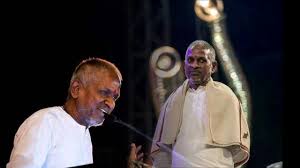
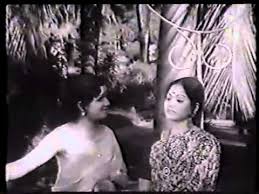
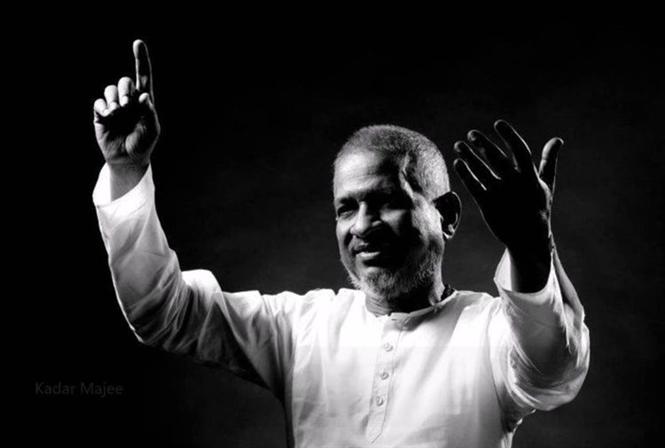
Kattazhagu Maamaa Song Lyrics is the track from Thiripura Sundari Tamil Film – 1978. This song was sung by எஸ். ஜானகி. The music was composed by Ilayaraja. Lyrics works penned by Kannadasan.
Track Credits & Star Cast
Music & Lyrics
Singers
Star Cast
Not Specified
Kattazhagu maamaa Onna thaanae katti kollalaamaa
Kanni thaenai vittu vaikkalaamaa Nalla naeram nerungudhu maamaa
Aehae hae hae hae… ho ho ho…
Pachai vaazhai ilai podavaa Pakkam vandhu parimaaravaa
Pachai vaazhai ilai podavaa
Kattil meedhu malar thoovavaa Kannaal mella kadhai paesavaa
Sittaadai katti singaara kutti Machaanin pon maarbilae mayangidalaamaa
Kattazhagu maamaa Onna thaanae katti kollalaamaa
Kanni thaenai vittu vaikkalaamaa Nalla naeram nerungudhu maamaa
Engal veedu arasaangamaa Engum dheeba alangaaramaa
Engal veedu arasaangamaa Ingae naanum magaraaniyaa
Ennai aala manavaalanaa Oorellaam nindru paaraatta indru
Thaeraeri pogindra naal vandhadhu maamaa
Aaraari raaro… aaraari raaro… Aaraari raaro… aaraari raaro…
Thottaal podhum medhuvaagavae Thottil aadum azhagaagavae
Thottaal podhum medhuvaagavae Machaan raasi suga raasi thaan
Mangai naanum magaraasi thaan Ezhettu pillai mael ondrum illai
Aaraaro aaraariro paadanum maamaa
Kattazhagu maamaa Onna thaanae katti kollalaamaa
Kanni thaenai vittu vaikkalaamaa Nalla naeram nerungudhu maamaa
Song Meaning & Analysis
This song, "Kattazhagu Maamaa," is a playful and romantic expression of a young woman's eagerness and anticipation for her wedding. She addresses her beloved, affectionately calling him "Mama" (a term often used for a prospective husband or close male relative), and openly questions if she should marry him, implying her strong desire. The lyrics are filled with traditional imagery of hospitality and marital bliss, like laying banana leaves for a meal and scattering flowers on the bed, symbolizing her readiness to embrace her role as a wife. The song captures the excitement of a bride-to-be, dreaming of a grand wedding and a future filled with love and family.
The second paragraph delves deeper into her aspirations for married life. She envisions her home as a "royal palace" where she will be a "queen," with her groom as her "ruler," highlighting the traditional yet loving dynamics she anticipates. The mention of the entire town praising them as they go on a chariot signifies her desire for a celebrated union. The playful reference to having "seven or eight children" and singing lullabies ("Aararo Aarariro") beautifully portrays her dreams of a large, happy family, cementing the song's theme of joyous marital anticipation and the fulfillment of domestic life.
Frequently Asked Questions
Who is the singer of Kattazhagu Maamaa?
Kattazhagu Maamaa is sung by எஸ். ஜானகி.
Which movie is Kattazhagu Maamaa from?
The song Kattazhagu Maamaa is featured in the movie Thiripura Sundari.
Who wrote the lyrics for Kattazhagu Maamaa?
The lyrics for Kattazhagu Maamaa were written by Kannadasan with music composed by Ilayaraja.
Is English translation available for Kattazhagu Maamaa lyrics?
Yes! Kattazhagu Maamaa lyrics from Thiripura Sundari include line-by-line English translation, English transliteration, and native Tamil script on Lyricsverse.
What is the meaning of Kattazhagu Maamaa lyrics?
This song, "Kattazhagu Maamaa," is a playful and romantic expression of a young woman's eagerness and anticipation for her wedding. She addresses her beloved, affectionately calling him "Mama" (a term often used for a prospective husband or close male relative), and openly questions if she should marry him, implying her strong desire. The lyrics are filled with traditional imagery of hospitality and marital bliss, like laying banana leaves for a meal and scattering flowers on the bed, symbolizing her readiness to embrace her role as a wife. The song captures the excitement of a bride-to-be, dreaming of a grand wedding and a future filled with love and family. The second paragraph delves deeper into her aspirations for married life. She envisions her home as a "royal palace" where she will be a "queen," with her groom as her "ruler," highlighting the traditional yet loving dynamics she anticipates. The mention of the entire town praising them as they go on a chariot signifies her desire for a celebrated union. The playful reference to having "seven or eight children" and singing lullabies ("Aararo Aarariro") beautifully portrays her dreams of a large, happy family, cementing the song's theme of joyous marital anticipation and the fulfillment of domestic life.