
Katti Karumbe Kanna Lyrics
From the movie Samsaram Adhu Minsaram
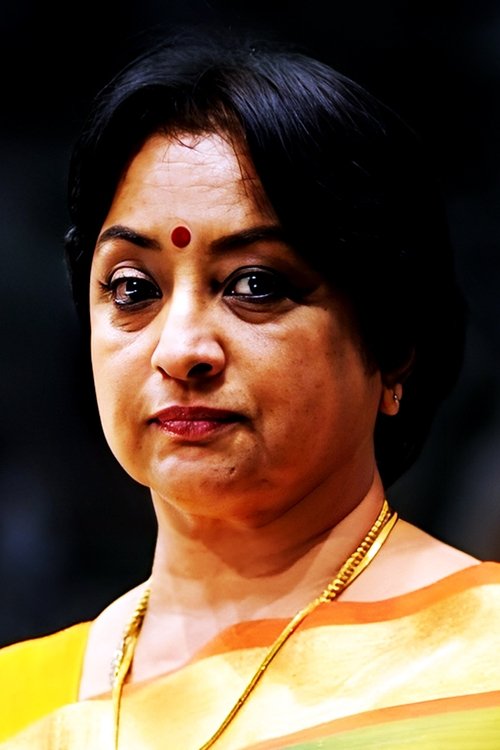
Katti Karumbe Kanna Song Lyrics is the track from Samsaram Adhu Minsaram Tamil Film – 1986, Starring Visu, Lakshmi, Raghuvaran, Vagai Chandrasekar, Kamala Kamesh, Ilavarasi, Manorama, Madhuri, Delhi Ganesh, Kishmu. This song was sung by வாணி ஜெயராம். The music was composed by Sankar Ganesh. Lyrics works penned by Vairamuthu.
Track Credits & Star Cast
Music & Lyrics
Singers
Star Cast


Aari aaraariroo… Aari aaraariroo
Aari aaraariroo
{Katti karumbae kannaa Kannam sivandha mannaa
Nee inghu vandha neram Sondham ellaam dhooram
En endru ketka aal illai Vaa endru solla vaai illai…} (2)
{Oppukku sonnen aaraaro Oomaikku sondham yaar yaaro
Poo vaitha nenjil Thee vaithathaaro
Unmaiyai solla vaaraaro} (2)
Kaalaiku thaanae veeraappu Kandruku eno pollaappu
Kandrodu pasu indru thindaadudhu
Katti karumbae kannaa Kannam sivandha mannaa
Nee inghu vandha neram Sondham ellaam dhooram
En endru ketka aal illai Vaa endru solla vaai illai…
{Sippikkul muthu vandhaalum Adhu sippikku sondham aagaadhu
Nadhiyodu ponaal Karai undu kanae
Vidhiyodu ponaal karai edhu} (2)
Kannukkul vellam ippodhu Naam karai serum kaalam eppodhu
Un thaai paalil kanneerai Yaar serthathu
Katti karumbae kannaa Kannam sivandha mannaa
Nee inghu vandha neram Sondham ellaam dhooram
En endru ketka aal illai Vaa endru solla vaai illai…
Aarira raroo arraroo Aarira raroo arraroo
Song Meaning & Analysis
The song "Katti Karumbe Kanna" from 'Samsaram Adhu Minsaram' is a poignant lullaby sung by a woman to a child, expressing deep sorrow and a sense of abandonment. The lyrics, penned by Vairamuthu, convey the mother's (or caretaker's) anguish over the child's unfortunate circumstances, where despite the child's innocence and charm, they are left without familial support. The repeated lines "Sondham ellaam dhooram, en endru ketka aal illai, vaa endru solla vaai illai" highlight the isolation and helplessness, emphasizing that there's no one to question their plight or offer comfort.
The song uses powerful metaphors to illustrate the theme of destiny and unfulfilled belonging. The pearl in the oyster that doesn't truly belong to it, and the contrast between finding a shore with a river versus being lost without one when guided by fate, underscore the tragic reality of their situation. The lines about tears mixed in mother's milk further amplify the emotional distress, suggesting that the child's very sustenance is tainted with sorrow. It's a lament for a child born into a world of hardship, reflecting the struggles of a family grappling with societal pressures and personal misfortunes.
Frequently Asked Questions
Who is the singer of Katti Karumbe Kanna?
Katti Karumbe Kanna is sung by வாணி ஜெயராம்.
Which movie is Katti Karumbe Kanna from?
The song Katti Karumbe Kanna is featured in the movie Samsaram Adhu Minsaram.
Who wrote the lyrics for Katti Karumbe Kanna?
The lyrics for Katti Karumbe Kanna were written by Vairamuthu with music composed by Sankar Ganesh.
Is English translation available for Katti Karumbe Kanna lyrics?
Yes! Katti Karumbe Kanna lyrics from Samsaram Adhu Minsaram include line-by-line English translation, English transliteration, and native Tamil script on Lyricsverse.
What is the meaning of Katti Karumbe Kanna lyrics?
The song "Katti Karumbe Kanna" from 'Samsaram Adhu Minsaram' is a poignant lullaby sung by a woman to a child, expressing deep sorrow and a sense of abandonment. The lyrics, penned by Vairamuthu, convey the mother's (or caretaker's) anguish over the child's unfortunate circumstances, where despite the child's innocence and charm, they are left without familial support. The repeated lines "Sondham ellaam dhooram, en endru ketka aal illai, vaa endru solla vaai illai" highlight the isolation and helplessness, emphasizing that there's no one to question their plight or offer comfort. The song uses powerful metaphors to illustrate the theme of destiny and unfulfilled belonging. The pearl in the oyster that doesn't truly belong to it, and the contrast between finding a shore with a river versus being lost without one when guided by fate, underscore the tragic reality of their situation. The lines about tears mixed in mother's milk further amplify the emotional distress, suggesting that the child's very sustenance is tainted with sorrow. It's a lament for a child born into a world of hardship, reflecting the struggles of a family grappling with societal pressures and personal misfortunes.