Madhiyaathar Vaasal Lyrics
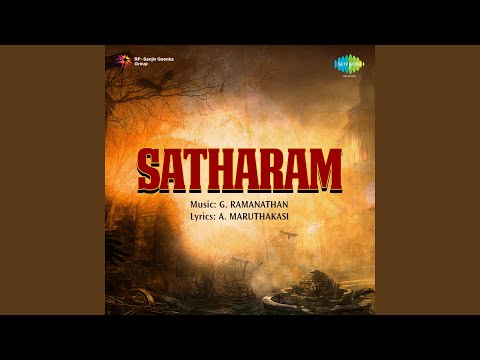
From the movie Satharam Tamil
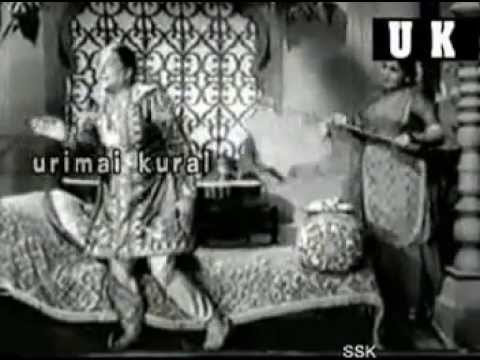
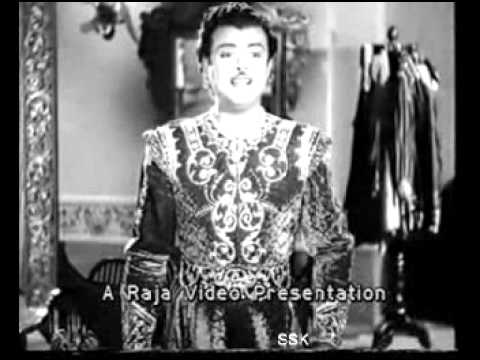
Madhiyaathar Vaasal Song Lyrics is the track from Satharam Tamil Tamil Film – 1956. This song was sung by திருச்சி லோகநாதன்.
Track Credits & Star Cast
Music & Lyrics
Singers
Star Cast
Not Specified
Singer : Trichy Loganathan
Music Director : G. Ramanathan
Lyricist : A. Maruthakasi
Madhiyaadhar vaasal madhiththorukaal sendru Madhiyaamai kodi perum
Endra madhi sonna avvai mozhi thannai pottri Vaazhvadhae prumai tharum
Haa aaaaaa…aaaa
Mann meedhu maanam ondrae pradhaanam Endrennum gunam vendum
Idhai marandhaale vazhvil kidaikkum sanmaanam Maravaadha avamaanam
Mann meedhu maanam ondrae pradhaanam Endrennum gunam vendum
Idhai marandhaale vazhvil kidaikkum sanmaanam Maravaadha avamaanam
Kannaana kanavan thanmaana thannai Kaapaattrum penn deivam
Kannaana kanavan thanmaana thannai Kaapaattrum penn deivam
Manam punnaagi sindhum kanneerai kaana Porukaadhada deivam
Ennaadha thunbam edhu vandha podhum Edhir kolla thayangaadhe
Eliyorkkaaga nee seidha thiyaagam Idhai logam maravaadhe
Ennaadha thunbam edhu vandha podhum Edhir kolla thayangaadhe
Eliyorkkaaga nee seidha thiyaagam Idhai logam maravaadhe
Azhiyaadha inbam puviyorgal ennum Panangaasile illai
Haa aa aa aa Azhiyaadha inbam puviyorgal ennum
Panangaasile illai Mei yanbae ennaalum azhiyaadha inbam
Adharkku eedu ver illai
Mann meedhu maanam ondrae pradhaanam Endrennum gunam vendum
Idhai marandhaale vazhvil kidaikkum sanmaanam Maravaadha avamaanam
Song Meaning & Analysis
The song "Madhiyaathar Vaasal" from the 1956 film 'Satharam Tamil' is a profound philosophical piece emphasizing the paramount importance of self-respect and dignity in life. It begins by quoting the ancient Tamil poet Avvaiyar, advising against seeking validation from those who disrespect you, stating that such restraint is invaluable. The lyrics repeatedly stress that self-esteem is the most crucial virtue on earth, and its abandonment leads only to perpetual disgrace, not honor. It highlights the role of a wife as a divine protector of her husband's honor and suggests that even divine powers cannot tolerate the sight of a pure heart suffering.
Beyond personal dignity, the song also touches upon resilience in the face of adversity and the lasting impact of selfless acts for the less fortunate. It contrasts worldly pursuits like wealth with true, eternal happiness, asserting that genuine love is the only imperishable joy, far superior to material possessions. The song serves as a moral compass, guiding listeners towards a life built on integrity, compassion, and the enduring power of true affection, rather than fleeting external validations or riches.
Frequently Asked Questions
Who is the singer of Madhiyaathar Vaasal?
Madhiyaathar Vaasal is sung by திருச்சி லோகநாதன்.
Which movie is Madhiyaathar Vaasal from?
The song Madhiyaathar Vaasal is featured in the movie Satharam Tamil.
Who wrote the lyrics for Madhiyaathar Vaasal?
The lyrics for Madhiyaathar Vaasal were written by Unknown with music composed by Unknown.
Is English translation available for Madhiyaathar Vaasal lyrics?
Yes! Madhiyaathar Vaasal lyrics from Satharam Tamil include line-by-line English translation, English transliteration, and native Tamil script on Lyricsverse.
What is the meaning of Madhiyaathar Vaasal lyrics?
The song "Madhiyaathar Vaasal" from the 1956 film 'Satharam Tamil' is a profound philosophical piece emphasizing the paramount importance of self-respect and dignity in life. It begins by quoting the ancient Tamil poet Avvaiyar, advising against seeking validation from those who disrespect you, stating that such restraint is invaluable. The lyrics repeatedly stress that self-esteem is the most crucial virtue on earth, and its abandonment leads only to perpetual disgrace, not honor. It highlights the role of a wife as a divine protector of her husband's honor and suggests that even divine powers cannot tolerate the sight of a pure heart suffering. Beyond personal dignity, the song also touches upon resilience in the face of adversity and the lasting impact of selfless acts for the less fortunate. It contrasts worldly pursuits like wealth with true, eternal happiness, asserting that genuine love is the only imperishable joy, far superior to material possessions. The song serves as a moral compass, guiding listeners towards a life built on integrity, compassion, and the enduring power of true affection, rather than fleeting external validations or riches.