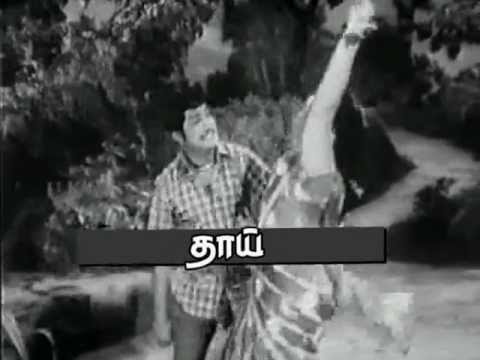
Mangalam Kaappai Lyrics
From the movie Thaai
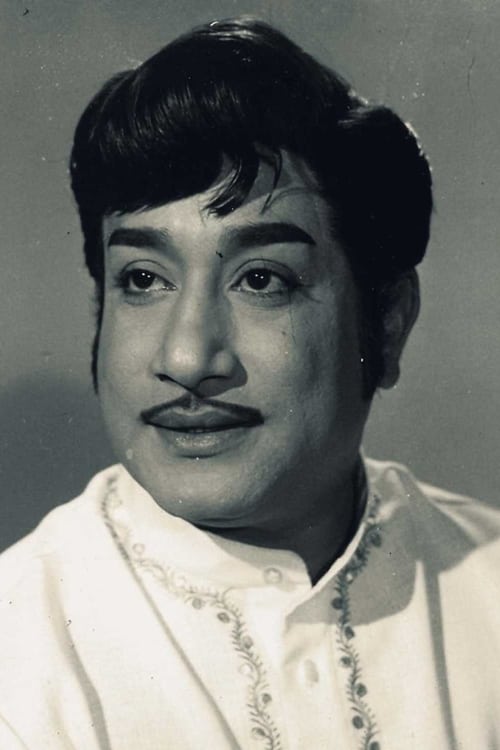
Mangalam Kaappai Song Lyrics is the track from Thaai Tamil Film – 1974, Starring Sivaji Ganesan, J. Jayalalithaa, Major Sundarrajan, S. Varalakshmi, Kumari Padmini, M. N. Nambiar, Sukumari, V. K. Ramasamy, C. K. Saraswathi, M. R. R. Vasu. This song was sung by எஸ். வரலக்ஷ்மி. The music was composed by M. S. Viswanathan. Lyrics works penned by Kannadasan.
Track Credits & Star Cast
Music & Lyrics
Singers
Star Cast


Mangalam kaappaai sivasakthi En maangalyam kaappaai sivasakthi
Kungumam kaappaai sivasakthi En kula nalam kaappaai sivasakthi
Kungumam kaappaai sivasakthi En kula nalam kaappaai sivasakthi
Kangal iruppathum avarkkaga Aa…aakangal iruppathum avarkkaga
Pillai kaaval iruppathum avarkkaga Pennena piranthaval enanakkaga
Nee perarul purivaai sivasakthi Pennena piranthaval enakkaga
Nee perarul purivaai sivasakthi
Mangalam kaappaai sivasakthi En maangalyam kaappaai sivasakthi
Entha karaithanil irunthaalum Avar entha nilaiyil irunthaalum
Chanthirar sooriyar ullavarai En thalaivanai kaappaai sivasakthi
Thalaivanai kaappaai sivasakthi
Agaligai nambikkai paliththathammaa
Andru arunthathi ninaiththathu nadanthathammaa
Kannagi kanneer jeyiththathammaa…aa…aa
Kannagi kanneer jeyiththathammaa…
Intha kaarigai aasaiyum palikaathaa
Kaarigai aasaiyum palikaathaa
Mangalam kaappaai sivasakthi En maangalyam kaappaai sivasakthi
Song Meaning & Analysis
This devotional song is a fervent prayer from a devoted wife to Goddess Shiva Shakti, seeking divine protection for her husband and the sanctity of her marital life. The lyrics express her complete dedication, stating that her eyes and the protection of her children are solely for her husband's well-being. She implores the Goddess to safeguard her 'mangalyam' (sacred wedding thread) and 'kungumam' (vermillion), symbols of her marital status, and to ensure the prosperity of her family lineage. The song beautifully captures the essence of a wife's unwavering devotion and her reliance on divine grace for her husband's longevity and safety.
The song further reinforces this plea by referencing legendary women from Hindu mythology – Ahalya, Arundhati, and Kannagi – whose unwavering faith and devotion led to miraculous outcomes or triumphs. By invoking these powerful examples, the singer expresses her hope that her own earnest desires for her husband's well-being will also be fulfilled. It's a poignant portrayal of a woman's deep love, faith, and her prayer for the enduring strength and happiness of her marital bond, seeking the ultimate blessing from the divine mother, Shakti.
Frequently Asked Questions
Who is the singer of Mangalam Kaappai?
Mangalam Kaappai is sung by எஸ். வரலக்ஷ்மி.
Which movie is Mangalam Kaappai from?
The song Mangalam Kaappai is featured in the movie Thaai.
Who wrote the lyrics for Mangalam Kaappai?
The lyrics for Mangalam Kaappai were written by Kannadasan with music composed by M. S. Viswanathan.
Is English translation available for Mangalam Kaappai lyrics?
Yes! Mangalam Kaappai lyrics from Thaai include line-by-line English translation, English transliteration, and native Tamil script on Lyricsverse.
What is the meaning of Mangalam Kaappai lyrics?
This devotional song is a fervent prayer from a devoted wife to Goddess Shiva Shakti, seeking divine protection for her husband and the sanctity of her marital life. The lyrics express her complete dedication, stating that her eyes and the protection of her children are solely for her husband's well-being. She implores the Goddess to safeguard her 'mangalyam' (sacred wedding thread) and 'kungumam' (vermillion), symbols of her marital status, and to ensure the prosperity of her family lineage. The song beautifully captures the essence of a wife's unwavering devotion and her reliance on divine grace for her husband's longevity and safety. The song further reinforces this plea by referencing legendary women from Hindu mythology – Ahalya, Arundhati, and Kannagi – whose unwavering faith and devotion led to miraculous outcomes or triumphs. By invoking these powerful examples, the singer expresses her hope that her own earnest desires for her husband's well-being will also be fulfilled. It's a poignant portrayal of a woman's deep love, faith, and her prayer for the enduring strength and happiness of her marital bond, seeking the ultimate blessing from the divine mother, Shakti.