Muthu Tamil Maduraiyin Lyrics
From the movie Thanga Gopuram
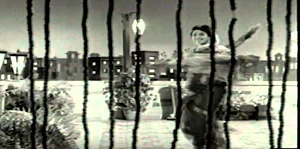
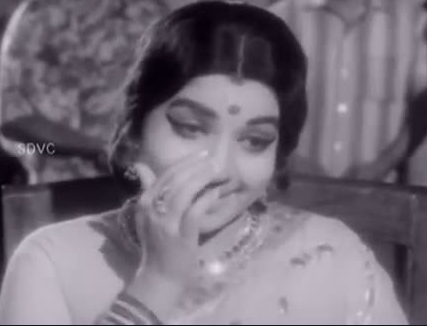
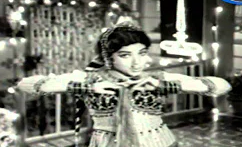
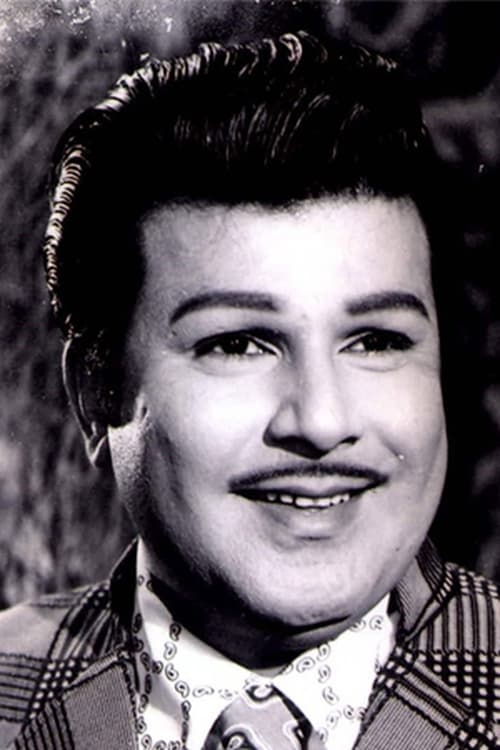
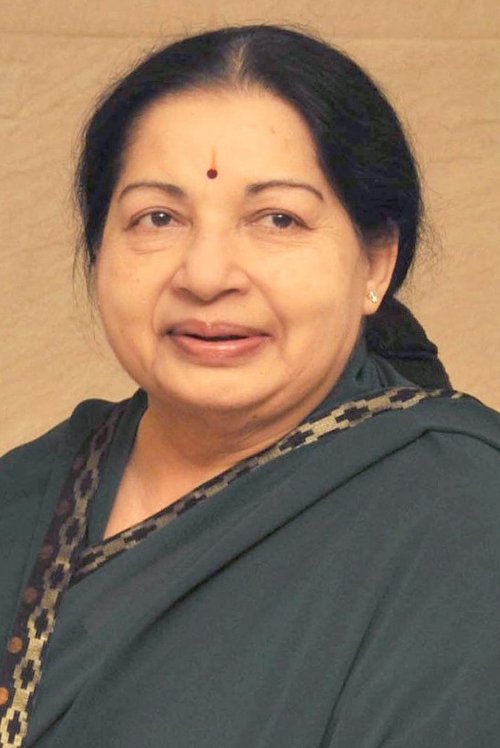
Muthu Tamil Maduraiyin Song Lyrics is the track from Thanga Gopuram Tamil Film – 1971, Starring Jaishankar, J. Jayalalithaa, Manorama, Vennira Aadai Nirmala, Srikanth, Srividya, Major Sundarrajan. This song was sung by பி. சுசீலா, எல். ஆர். ஈஸ்வரி மற்றும் அஞ்சலி கௌசல்யா. The music was composed by S. M. Subbaiah Naidu. Lyrics works penned by Kannadasan.
Track Credits & Star Cast
Music & Lyrics
Singers
Star Cast

Muthu thamizh madhuraiyin arasatchi Muthu thamizh madhuraiyin arasatchi
Mani mookkuththi olividum meenaatchi Pattu vanna maegangal kankaatchi
Pattu vanna maegangal kankaatchi Ingu paravaikku kooda undu manasatchi
Females : Muthu thamizh madhuraiyin arasatchi
Kannukkum manathukkum vaeliyittu Females : Vaeliyittu
Nalla kaalththil kazhuththukku thaaliyittu Females : Thaaliyittu
Kannukkum manathukkum vaeliyittu Nalla kaalththil kazhuththukku thaaliyittu
Penmaikku pugazh tharum jaathiyadi Eeeeeeaahaaaa
Idhu annaiyin vazhi vantha needhiyadi Females : Idhu annaiyin vazhi vantha needhiyadi
Females : Muthu thamizh madhuraiyin arasatchi
Thanithani piranthana moondru pengal
Anbu sariththiram padiththana aaru kangal
Females : Anbu sariththiram padiththana aaru kangal
Ini thanithaniyae selvathillaiyadi
Oru ilaiyinil pinniya mullaiyadi
Females : Oru ilaiyinil pinniya mullaiyadi
Females : Muthu thamizh madhuraiyin arasatchi
Mani mookkuththi olividum meenaatchi
Pattu vanna maegangal kankaatchi
Ingu paravaikku kooda undu manasatchi
Females :
Song Meaning & Analysis
This song beautifully intertwines the cultural richness of Madurai with the virtues and bonds of womanhood. It opens by celebrating Madurai as a city of 'pearl-like Tamil' and invokes the divine presence of Goddess Meenakshi, whose radiant nose-stud symbolizes purity and auspiciousness. The imagery of 'silken-hued clouds' and even birds having a conscience paints a picture of a land imbued with natural beauty and moral integrity. The initial stanzas set a tone of reverence for tradition and the sacred.
The lyrics then transition to extolling the essence of womanhood, emphasizing the traditional values of modesty ('fencing off the eyes and heart') and the sanctity of marriage, symbolized by the 'thali' (mangalsutra). It speaks of a lineage that brings glory to women, rooted in the wisdom and justice passed down through generations of mothers. The final stanza beautifully portrays the unity of three women, who, despite their individual origins, are now bound by love, likened to jasmine flowers intertwined on a single leaf, signifying an unbreakable bond of sisterhood or shared destiny.
Frequently Asked Questions
Who is the singer of Muthu Tamil Maduraiyin?
Muthu Tamil Maduraiyin is sung by பி. சுசீலா, எல். ஆர். ஈஸ்வரி மற்றும் அஞ்சலி கௌசல்யா.
Which movie is Muthu Tamil Maduraiyin from?
The song Muthu Tamil Maduraiyin is featured in the movie Thanga Gopuram.
Who wrote the lyrics for Muthu Tamil Maduraiyin?
The lyrics for Muthu Tamil Maduraiyin were written by Kannadasan with music composed by S. M. Subbaiah Naidu.
Is English translation available for Muthu Tamil Maduraiyin lyrics?
Yes! Muthu Tamil Maduraiyin lyrics from Thanga Gopuram include line-by-line English translation, English transliteration, and native Tamil script on Lyricsverse.
What is the meaning of Muthu Tamil Maduraiyin lyrics?
This song beautifully intertwines the cultural richness of Madurai with the virtues and bonds of womanhood. It opens by celebrating Madurai as a city of 'pearl-like Tamil' and invokes the divine presence of Goddess Meenakshi, whose radiant nose-stud symbolizes purity and auspiciousness. The imagery of 'silken-hued clouds' and even birds having a conscience paints a picture of a land imbued with natural beauty and moral integrity. The initial stanzas set a tone of reverence for tradition and the sacred. The lyrics then transition to extolling the essence of womanhood, emphasizing the traditional values of modesty ('fencing off the eyes and heart') and the sanctity of marriage, symbolized by the 'thali' (mangalsutra). It speaks of a lineage that brings glory to women, rooted in the wisdom and justice passed down through generations of mothers. The final stanza beautifully portrays the unity of three women, who, despite their individual origins, are now bound by love, likened to jasmine flowers intertwined on a single leaf, signifying an unbreakable bond of sisterhood or shared destiny.