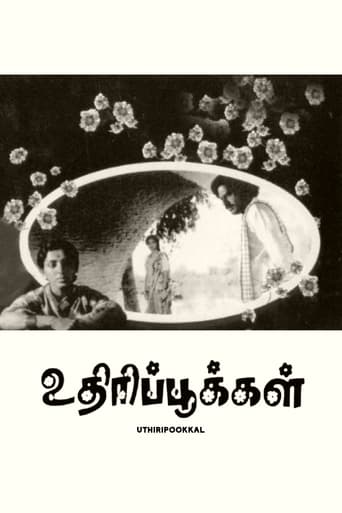
Naan Paada Varuvai Lyrics
From the movie Uthiripookkal
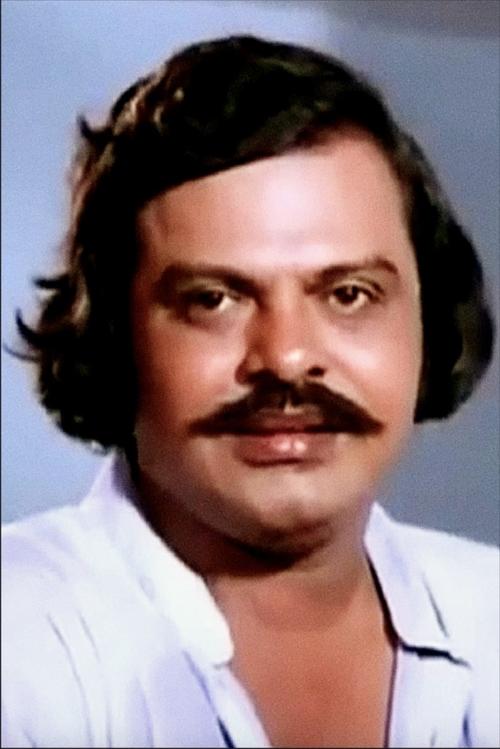
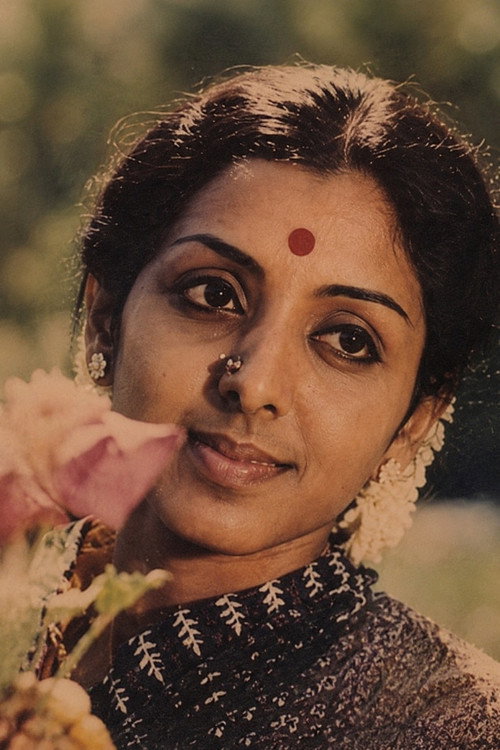
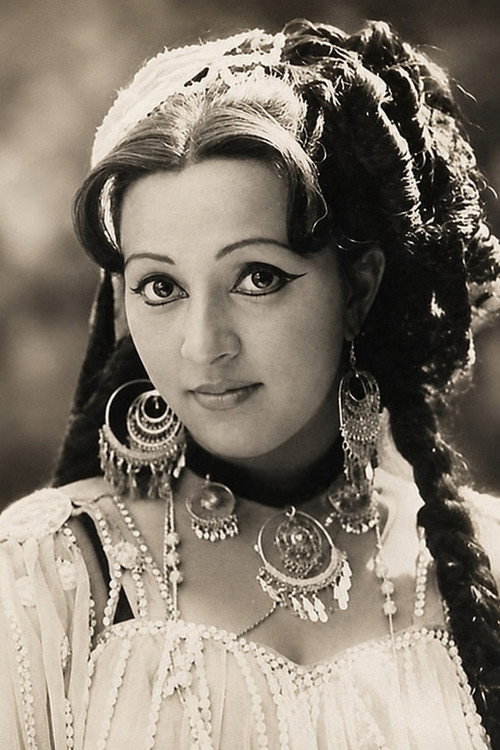
Naan Paada Varuvai Song Lyrics is the track from Uthiripookkal Tamil Film – 1979, Starring Vijayan, Ashwini, Madhu Malini, Sarath Babu, Charu Haasan, Sundar Raj, Anju, Haja Sheriff, Charulata, Samikannu. This song was sung by எஸ். ஜானகி. The music was composed by Ilayaraja. Lyrics works penned by Muthulingam.
Track Credits & Star Cast
Music & Lyrics
Singers
Star Cast
Naan paada varuvaai Thamizhae inimai tharuvaai
Pala raagam panpaadidum senthaen kaliyae Naan paada varuvaai
Thamizhae inimai tharuvaai Pala raagam panpaadidum senthaen kaliyae
Kadhiroli vilaiyaada ponnalai oodai Pala vanna vandaada poomuga maedai
Ponnaalai odai poomuga maedai Swaram ezhum sathiraadum ye bale balae
Swaram ezhum sathiraadum sugamaana raagam
Inimai mozhiyal kavidhai pozhiya
Devaril moolavan naadhathilae nadamaada ezhuvaai
Naan paada varuvaai thamizhae inimai tharuvaai
Pala raagam panpaadidum senthaen kaliyae
Naan paada varuvaai
Panimugil pennada paal madhi paadum Kavimanam panpaada kodimalar aadum
Paal madhi paadum kodimalar aadum Pudhiraana sangeethamdurrrrrrrr
Pudhiraana sangeetham sugamaana geetham
Iyarkkai rasikkum ilamai isaiyae
Naanmuga naayagi naavinilae nalam paada ezhuvaai
Naan paada varuvaai thamizhae inimai tharuvaai
Pala raagam panpaadidum senthaen kaliyae
Naan paada varuvaai Vaasingoo nalla vaasingoo
Song Meaning & Analysis
This song is a profound and poetic invocation to the Tamil language, personified as a divine art form. The singer earnestly implores Tamil to bestow its inherent sweetness and enable them to sing beautiful melodies. The lyrics paint a vivid tapestry of nature's harmony, with sunlight playing on golden streams, colorful bees dancing on flowery stages, and the seven musical notes creating a pleasant rhythm. This imagery suggests a deep spiritual connection, inviting a primal deity to partake in and dance to the sacred sound of this divine music.
The second part of the song continues this artistic appeal, where misty clouds sway and the full moon sings, while creeper flowers dance in response to the poetic heart's rhythm. It speaks of music that is both mysterious and pleasant, a youthful melody cherished by nature itself. The song culminates in a heartfelt plea to the four-faced goddess (often associated with Saraswati, the goddess of knowledge and arts) to grace the singer's tongue, allowing them to sing with eloquence and beauty. It is a devotional ode that celebrates the intrinsic beauty of language, music, and the inspiration derived from both nature and the divine.
Frequently Asked Questions
Who is the singer of Naan Paada Varuvai?
Naan Paada Varuvai is sung by எஸ். ஜானகி.
Which movie is Naan Paada Varuvai from?
The song Naan Paada Varuvai is featured in the movie Uthiripookkal.
Who wrote the lyrics for Naan Paada Varuvai?
The lyrics for Naan Paada Varuvai were written by Muthulingam with music composed by Ilayaraja.
Is English translation available for Naan Paada Varuvai lyrics?
Yes! Naan Paada Varuvai lyrics from Uthiripookkal include line-by-line English translation, English transliteration, and native Tamil script on Lyricsverse.
What is the meaning of Naan Paada Varuvai lyrics?
This song is a profound and poetic invocation to the Tamil language, personified as a divine art form. The singer earnestly implores Tamil to bestow its inherent sweetness and enable them to sing beautiful melodies. The lyrics paint a vivid tapestry of nature's harmony, with sunlight playing on golden streams, colorful bees dancing on flowery stages, and the seven musical notes creating a pleasant rhythm. This imagery suggests a deep spiritual connection, inviting a primal deity to partake in and dance to the sacred sound of this divine music. The second part of the song continues this artistic appeal, where misty clouds sway and the full moon sings, while creeper flowers dance in response to the poetic heart's rhythm. It speaks of music that is both mysterious and pleasant, a youthful melody cherished by nature itself. The song culminates in a heartfelt plea to the four-faced goddess (often associated with Saraswati, the goddess of knowledge and arts) to grace the singer's tongue, allowing them to sing with eloquence and beauty. It is a devotional ode that celebrates the intrinsic beauty of language, music, and the inspiration derived from both nature and the divine.