Nallavar Vaakku Lyrics
From the movie Vakkuruthi
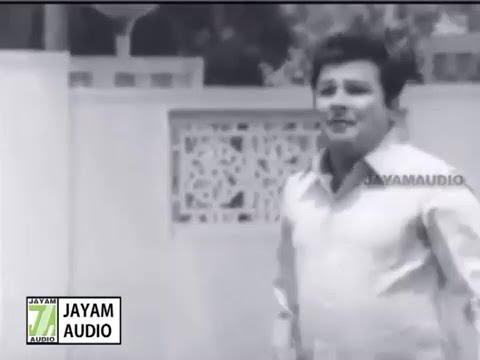
Nallavar Vaakku Song Lyrics is the track from Vakkuruthi Tamil Film – 1973. This song was sung by டி. எம். சௌந்தரராஜன். The music was composed by Shankar Ganesh. Lyrics works penned by Kannadasan.
Track Credits & Star Cast
Music & Lyrics
Singers
Star Cast
Not Specified
Nallavar vaakku nalvaakku Adhil sellum vaakku selvaakku
Sonna sollai kaakkum ullam Adhu deivam vaazhgindra illam…
Nallavar vaakku nalvaakku Adhil sellum vaakku selvaakku
Sonna sollai kaakkum ullam Adhu deivam vaazhgindra illam
Kannan koduththa vaakkuruthi andru Gowravar saenaiyai azhiththathadaa
Annal gandhiyin vaakkuruthi Nam adimai thalaiyai thagarththathadaa
Kannan koduththa vaakkuruthi andru Gowravar saenaiyai azhiththathadaa
Annal gandhiyin vaakkuruthi Nam adimai thalaiyai thagarththathadaa
Makkalin thalaivan lenin andru Sonna vaakku paliththathada
Madhangalin thalaivar sonnathellaam Manakkann munnaal nadanthathadaa
Nallavar vaakku nalvaakku Adhil sellum vaakku selvaakku
Sonna sollai kaakkum ullam Adhu deivam vaazhgindra illam
Deivam vaazhgindra illam
Nallavarkku edharkku kaiyezhuththu Avar sollum sollae pon ezhuthu
Theeyavar podum kaiyezhuththum Nalam seiyyaathenbathu kurai karuththu
Budhan edhanai ezhuthi vaiththaan Verum thaththubam thaanae solli vaiththaan
Sonnavan sollai nambi vidu Adhu thozhvi adainthaal kettuvidu
Padhil kettuvidu…
Nallavar vaakku nalvaakku Adhil sellum vaakku selvaakku
Sonna sollai kaakkum ullam Adhu deivam vaazhgindra illam
Deivam vaazhgindra illam… Adhu deivam vaazhgindra illam…
Song Meaning & Analysis
The song "Nallavar Vaakku" from the 1973 film 'Vakkuruthi' is a profound philosophical piece emphasizing the sanctity and power of a good person's word. It posits that a promise made by an upright individual is inherently true and carries immense influence. The lyrics suggest that a heart committed to upholding its word is akin to a divine abode, highlighting the moral integrity and spiritual significance of keeping one's promises. The song sets a tone of reverence for truthfulness and reliability.
Kannadasan's lyrics draw upon historical and mythological examples to underscore this theme. It references Lord Krishna's promise that led to the destruction of the Kauravas, Mahatma Gandhi's vow that liberated India from colonial rule, and Lenin's words that shaped a nation. The song also questions the need for written agreements when a good person's word is as valuable as gold, contrasting it with the worthlessness of a wicked person's signed pledge. It concludes by advocating trust in spoken words, even citing Buddha who only spoke his philosophy, encouraging listeners to believe until proven otherwise.
Frequently Asked Questions
Who is the singer of Nallavar Vaakku?
Nallavar Vaakku is sung by டி. எம். சௌந்தரராஜன்.
Which movie is Nallavar Vaakku from?
The song Nallavar Vaakku is featured in the movie Vakkuruthi.
Who wrote the lyrics for Nallavar Vaakku?
The lyrics for Nallavar Vaakku were written by Kannadasan with music composed by Shankar Ganesh.
Is English translation available for Nallavar Vaakku lyrics?
Yes! Nallavar Vaakku lyrics from Vakkuruthi include line-by-line English translation, English transliteration, and native Tamil script on Lyricsverse.
What is the meaning of Nallavar Vaakku lyrics?
The song "Nallavar Vaakku" from the 1973 film 'Vakkuruthi' is a profound philosophical piece emphasizing the sanctity and power of a good person's word. It posits that a promise made by an upright individual is inherently true and carries immense influence. The lyrics suggest that a heart committed to upholding its word is akin to a divine abode, highlighting the moral integrity and spiritual significance of keeping one's promises. The song sets a tone of reverence for truthfulness and reliability. Kannadasan's lyrics draw upon historical and mythological examples to underscore this theme. It references Lord Krishna's promise that led to the destruction of the Kauravas, Mahatma Gandhi's vow that liberated India from colonial rule, and Lenin's words that shaped a nation. The song also questions the need for written agreements when a good person's word is as valuable as gold, contrasting it with the worthlessness of a wicked person's signed pledge. It concludes by advocating trust in spoken words, even citing Buddha who only spoke his philosophy, encouraging listeners to believe until proven otherwise.
Music Video