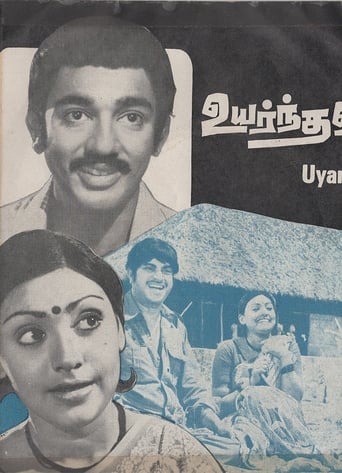
Raman Neeye Lyrics
From the movie Uyarndhavargal
Raman Neeye Song Lyrics is the track from Uyarndhavargal Tamil Film – 1977, Starring Kamal Haasan, Sujatha, Thengai Srinivasan, Srikanth, Pandari Bai, Sridhar, Typist Gopu, Loose Mohan, Sanjeev Kumar, Prem Nazir. This song was sung by டாக்டர். பாலமுரளிகிருஷ்ணன் மற்றும் குழு. The music was composed by Shankar Ganesh. Lyrics works penned by Kannadasan.
Track Credits & Star Cast
Music & Lyrics
Singers
Star Cast
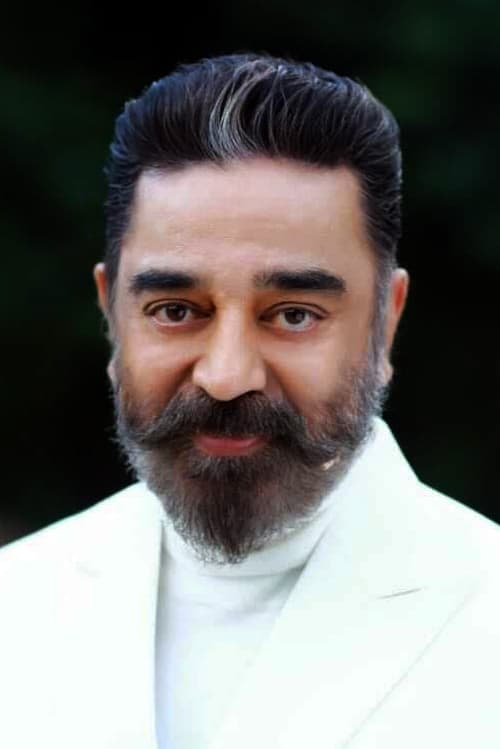
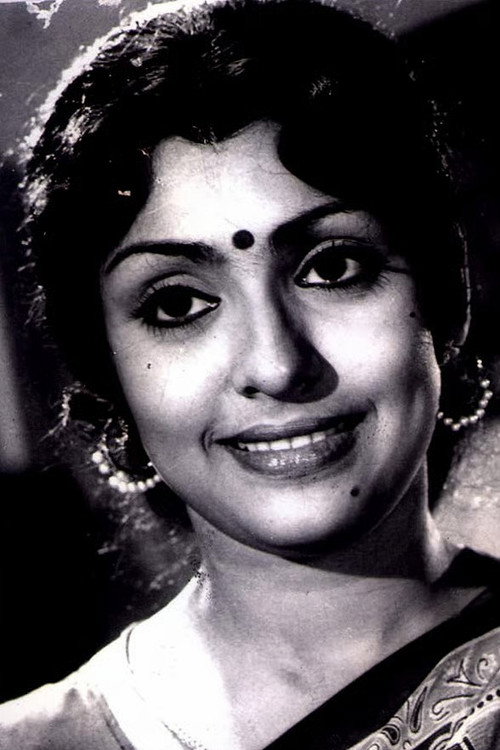
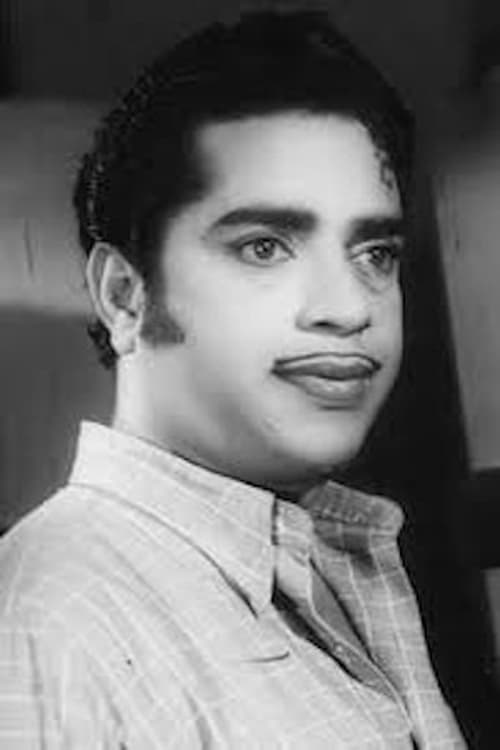
RaamaaFemale : Krishnaa Krishnaa…Female : Raamaa
Ramanum neeyae krishnanum neeyae Raadhaiyin vadivam seethaiyin thaayae
Ramanum neeyae krishnanum neeyae Raadhaiyin vadivam seethaiyin thaayae
Naadhanin tharisanam kothaiyin yogam Sri raama seetha naan paadum raagam
Jayajayaram jaya jaya seetharam Jayajayaram jaya jaya seetharam
Ramanum neeyae krishnanum neeyae Raadhaiyin vadivam seethaiyin thaayae
Parandhaman vilayaatil pullangkuzhal
Avan maarbil raadhavin izhanthaar kuzhal
Parandhaman vilayaatil pullangkuzhal
Avan maarbil raadhavin izhanthaar kuzhal
Kann paarkkum paarvaikku vaarthaiyillai
Kanna un kalai thaanae kaadhal kalai
Jayajayaram jaya jaya seetharam Jayajayaram jaya jaya seetharam
Ramanum neeyae krishnanum neeyae Raadhaiyin vadivam seethaiyin thaayae
Raghuraman mithilaikku varum naal edhu
Vaithegi vaazhnaalil thirunaal adhu
Raghuraman mithilaikku varum naal edhu
Vaithegi vaazhnaalil thirunaal adhu
Maharajan muga baavam aval kaanbadhu
Jayajayaram jaya jaya seetharam Jayajayaram jaya jaya seetharam
Ramanum neeyae krishnanum neeyae Raadhaiyin vadivam seethaiyin thaayae
Naal vaedham avanaaga uruvaanadhu Naalaagum gunam penmai vadivaanathu
Naal vaedham avanaaga uruvaanadhu Naalaagum gunam penmai vadivaanathu
Nambikkai kondaarkku avanae pillai Nambikkai kondaarkku avanae pillai
Nambikkai thanthaarkku avanae ellai
Seetharam jaya jaya raadhae raam Seetharam jaya jaya raadhae raam
Seetharam jaya jaya raadhae raam Seetharam jaya jaya raadhae raam
Seetharam jaya jaya raadhae raam Seetharam jaya jaya raadhae raam
Seetharam raadhae raam Seetharam raadhae raam
Seetharam raadhae raam Seetharam raadhae raam
Song Meaning & Analysis
This devotional song, "Raman Neeye," from the 1977 film 'Uyarndhavargal,' beautifully merges the identities of Lord Rama and Lord Krishna, portraying them as two manifestations of the same divine supreme being. The lyrics celebrate the divine love stories of both deities, intertwining the devotion of Radha for Krishna and Sita for Rama. It emphasizes the omnipresence of the divine, suggesting that the Lord embodies all forms, including the masculine (Rama, Krishna) and the feminine (Radha, Sita), and is the source of all creation and love. The song evokes a sense of spiritual unity and profound reverence for the divine.
The song further explores the depth of devotion and the anticipation of divine union. It speaks of the flute's melody in Krishna's play and Radha's intimate presence, symbolizing the intoxicating nature of divine love. It also yearns for the auspicious moment of Rama's arrival in Mithila, a pivotal event in Sita's life, highlighting the purity and longing in her devotion. Ultimately, the lyrics affirm that the divine is the origin of all knowledge (Vedas) and the embodiment of feminine virtues, serving as a guiding light and a child-like presence for those who hold unwavering faith.
Frequently Asked Questions
Who is the singer of Raman Neeye?
Raman Neeye is sung by டாக்டர். பாலமுரளிகிருஷ்ணன் மற்றும் குழு.
Which movie is Raman Neeye from?
The song Raman Neeye is featured in the movie Uyarndhavargal.
Who wrote the lyrics for Raman Neeye?
The lyrics for Raman Neeye were written by Kannadasan with music composed by Shankar Ganesh.
Is English translation available for Raman Neeye lyrics?
Yes! Raman Neeye lyrics from Uyarndhavargal include line-by-line English translation, English transliteration, and native Tamil script on Lyricsverse.
What is the meaning of Raman Neeye lyrics?
This devotional song, "Raman Neeye," from the 1977 film 'Uyarndhavargal,' beautifully merges the identities of Lord Rama and Lord Krishna, portraying them as two manifestations of the same divine supreme being. The lyrics celebrate the divine love stories of both deities, intertwining the devotion of Radha for Krishna and Sita for Rama. It emphasizes the omnipresence of the divine, suggesting that the Lord embodies all forms, including the masculine (Rama, Krishna) and the feminine (Radha, Sita), and is the source of all creation and love. The song evokes a sense of spiritual unity and profound reverence for the divine. The song further explores the depth of devotion and the anticipation of divine union. It speaks of the flute's melody in Krishna's play and Radha's intimate presence, symbolizing the intoxicating nature of divine love. It also yearns for the auspicious moment of Rama's arrival in Mithila, a pivotal event in Sita's life, highlighting the purity and longing in her devotion. Ultimately, the lyrics affirm that the divine is the origin of all knowledge (Vedas) and the embodiment of feminine virtues, serving as a guiding light and a child-like presence for those who hold unwavering faith.