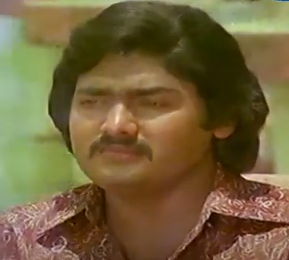
Thanimai En Thunai Lyrics
From the movie Antharangam Oomaiyanathu
Thanimai En Thunai Song Lyrics is the track from Antharangam Oomaiyanathu Tamil Film – 1980. This song was sung by டி. எம். சௌந்தரராஜன். The music was composed by K. J. Joy. Lyrics works penned by Gangai Amaran.
Track Credits & Star Cast
Music & Lyrics
Singers
Star Cast
Not Specified
Thanimai en thunai Adhai thanthaan iraivanae
Thanimai en thunai Adhai thanthaan iraivanae
Vasantha kaalam malarnatha pothu Naan kandathillaiyae
Thanimai en thunai Endrum thanimai en thunai
Thanimai en thunai Adhai thanthaan iraivanae
Vasantha kaalam malarantha pothum Naan kandathillaiyae
Thanimai en thunai Endrum thanimai en thunai
Vilai nilam ondru velikkul indru Palanindri pogum nilai iniyaen
Uravenum koondil thanimaiyil vaadum Paravaiyin ullam thavikkaiyilae
Kann moodi thoongum en pola yaarum Ingillai bhoomiyenum
Thanimai en thunai Endrum thanimai en thunai
Thanimai en thunai Adhai thanthaan iraivanae
Vasantha kaalam malarnatha pothu Naan kandathillaiyae
Thanimai en thunai Endrum thanimai en thunai
Kadalukkula odum nadhigalin oottam
Karaiyinil paarththaal therinthidumaa
Idhayaththil aadum yaekkaththin vaattam
Ezhuththinil koora mudinthidumaa
Ennaalum penmai engindra dheivam Kollaatha thunbam illai
Thanimai en thunai Endrum thanimai en thunai
Thanimai en thunai Adhai thanthaan iraivanae
Vasantha kaalam malarnatha pothu Naan kandathillaiyae
Thanimai en thunai Endrum thanimai en thunai
Song Meaning & Analysis
The song "Thanimai En Thunai" (Solitude is My Companion) from the 1980 film 'Antharangam Oomaiyanathu' is a poignant lament about profound loneliness and sorrow. The lyrics express a deep sense of isolation, where solitude is not just a state but a divinely ordained companion. The protagonist feels disconnected from the joys of life, even during vibrant seasons like spring, highlighting an internal despair that overshadows external beauty. The song delves into the futility of a life unfulfilled, comparing it to fertile land becoming barren and a caged bird suffering in isolation.
The narrative further explores the inexpressible nature of inner pain, questioning if the depth of sorrow can ever be truly understood or articulated, much like the unseen flow of rivers into the sea. It specifically touches upon the enduring suffering often associated with womanhood, portraying it as a divine burden. The recurring theme emphasizes that this solitude is a constant, inescapable presence, a fate bestowed by God, making it a powerful anthem for those grappling with deep, personal anguish and a sense of being perpetually alone.
Frequently Asked Questions
Who is the singer of Thanimai En Thunai?
Thanimai En Thunai is sung by டி. எம். சௌந்தரராஜன்.
Which movie is Thanimai En Thunai from?
The song Thanimai En Thunai is featured in the movie Antharangam Oomaiyanathu.
Who wrote the lyrics for Thanimai En Thunai?
The lyrics for Thanimai En Thunai were written by Gangai Amaran with music composed by K. J. Joy.
Is English translation available for Thanimai En Thunai lyrics?
Yes! Thanimai En Thunai lyrics from Antharangam Oomaiyanathu include line-by-line English translation, English transliteration, and native Tamil script on Lyricsverse.
What is the meaning of Thanimai En Thunai lyrics?
The song "Thanimai En Thunai" (Solitude is My Companion) from the 1980 film 'Antharangam Oomaiyanathu' is a poignant lament about profound loneliness and sorrow. The lyrics express a deep sense of isolation, where solitude is not just a state but a divinely ordained companion. The protagonist feels disconnected from the joys of life, even during vibrant seasons like spring, highlighting an internal despair that overshadows external beauty. The song delves into the futility of a life unfulfilled, comparing it to fertile land becoming barren and a caged bird suffering in isolation. The narrative further explores the inexpressible nature of inner pain, questioning if the depth of sorrow can ever be truly understood or articulated, much like the unseen flow of rivers into the sea. It specifically touches upon the enduring suffering often associated with womanhood, portraying it as a divine burden. The recurring theme emphasizes that this solitude is a constant, inescapable presence, a fate bestowed by God, making it a powerful anthem for those grappling with deep, personal anguish and a sense of being perpetually alone.