Thathedutha Muthae Vaa Lyrics
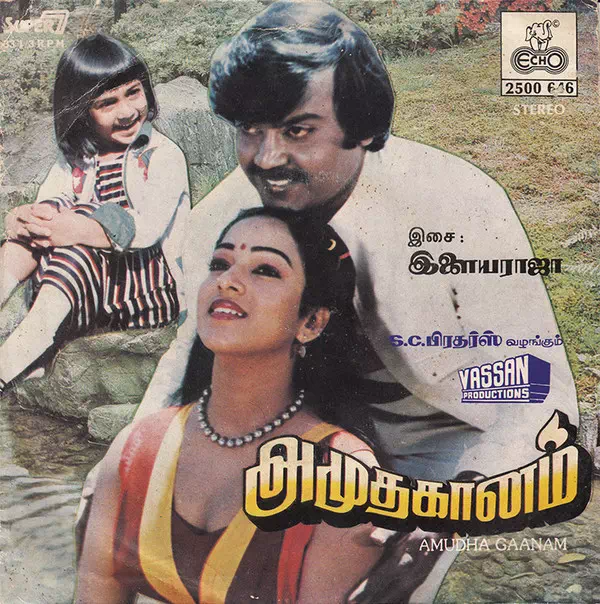
From the movie Amutha Ganam
Thathedutha Muthae Vaa Song Lyrics is the track from Amutha Ganam Tamil Film – 1985. This song was sung by எஸ். ஜானகி. The music was composed by Ilayaraja. Lyrics works penned by Pulamaipithan.
Track Credits & Star Cast
Music & Lyrics
Singers
Star Cast
Not Specified
Hmm mmm mm hmmm Hmm mm mm mmm
Hmm mmm mm hmmm Hmm mm mm mmm
Hmm hmm hmm hmmm
Thathedutha muthae vaa Saadhi malli kothae vaa
Haa thathedutha muthae vaa Saadhi malli kothae vaa
Sippi ennai paaraaiyo Sinna mutham thaaraaiyo
Sippi ennai paaraaiyo Sinna mutham thaaraaiyo
Thathedutha muthae vaa Saadhi malli kothae vaa
Yaar enbadhu theriyaamae Yen enbadhum puriyaamae
Nee kandadhu oru sondham Naan kondadhu uyir bandham
Aaraaro aariraaro Endrae andrae paattu sonnenae
Yaaraaro endraagum Artham ondru adhilae kandenaan
Aadai kattiya rojaa pookkal Anbuk kaattil thullum maangal
Aadai kattiya rojaa pookkal Anbuk kaattil thullum maangal
Oorgolam pogum vinmeengal
Thathedutha muthae vaa Saadhi malli kothae vaa
Sippi ennai paaraaiyo Sinna mutham thaaraaiyo
Sippi ennai paaraaiyo Sinna mutham thaaraaiyo
Thathedutha muthae vaa Saadhi malli kothae vaa
Song Meaning & Analysis
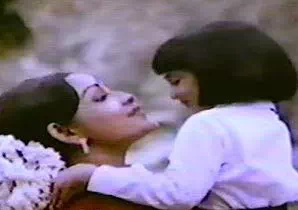
The song "Thathedutha Muthae Vaa" from the movie 'Amutha Ganam' is a tender and emotional plea from a mother figure to an adopted child. The lyrics beautifully express the deep, unconditional love and bond that transcends biological ties. The mother refers to the child as a "pearl" and a "jasmine cluster," highlighting the child's preciousness and beauty. The repeated invitation "Come, my adopted pearl" underscores her longing and affection.
The song delves into the profound connection formed, stating that while the child might have found a "relation," the mother has found a "bond of life." This emphasizes the spiritual and emotional depth of their relationship. The reference to the lullaby "Aaraaro Aariraaro" and finding meaning in "whoever it is" suggests an acceptance of the child's unknown past and a celebration of the present bond. The imagery of "roses adorned with clothes" and "deer frolicking in the forest of love" paints a picture of innocent joy and a nurturing environment, while "stars going in a procession" evokes a sense of wonder and destiny surrounding the child. It's a heartfelt ode to adoptive love, portraying it as a sacred and life-affirming connection.
Frequently Asked Questions
Who is the singer of Thathedutha Muthae Vaa?
Thathedutha Muthae Vaa is sung by எஸ். ஜானகி.
Which movie is Thathedutha Muthae Vaa from?
The song Thathedutha Muthae Vaa is featured in the movie Amutha Ganam.
Who wrote the lyrics for Thathedutha Muthae Vaa?
The lyrics for Thathedutha Muthae Vaa were written by Pulamaipithan with music composed by Ilayaraja.
Is English translation available for Thathedutha Muthae Vaa lyrics?
Yes! Thathedutha Muthae Vaa lyrics from Amutha Ganam include line-by-line English translation, English transliteration, and native Tamil script on Lyricsverse.
What is the meaning of Thathedutha Muthae Vaa lyrics?
The song "Thathedutha Muthae Vaa" from the movie 'Amutha Ganam' is a tender and emotional plea from a mother figure to an adopted child. The lyrics beautifully express the deep, unconditional love and bond that transcends biological ties. The mother refers to the child as a "pearl" and a "jasmine cluster," highlighting the child's preciousness and beauty. The repeated invitation "Come, my adopted pearl" underscores her longing and affection. The song delves into the profound connection formed, stating that while the child might have found a "relation," the mother has found a "bond of life." This emphasizes the spiritual and emotional depth of their relationship. The reference to the lullaby "Aaraaro Aariraaro" and finding meaning in "whoever it is" suggests an acceptance of the child's unknown past and a celebration of the present bond. The imagery of "roses adorned with clothes" and "deer frolicking in the forest of love" paints a picture of innocent joy and a nurturing environment, while "stars going in a procession" evokes a sense of wonder and destiny surrounding the child. It's a heartfelt ode to adoptive love, portraying it as a sacred and life-affirming connection.