Track Credits & Star Cast
Music & Lyrics
Singers
Star Cast
Not Specified
Singers : Soolamangalam Rajalakshmi and P. Susheela
Music Director : D. B. Ramachandran
Lyricist : Poovai Sengkuttuvan
Thuthipporku valvinaipom thunbampom
Nenjil pathipporku selvam palithuk kathithongum
Nishtaiyum kaikoodum
Nimalar arul kanthar sashti kavacham thanai
Females : Vanangidum kaigalin vadivathai paarthaal
Vel pol irukkuthadi vel pol irukkuthadi
Vel kondu nindravan thirumugam parthaal
Paal pol theriyudhadi paal pol theriyudhadi
Females : Vanangidum kaigalin vadivathai paarthaal
Vel pol irukkuthadi vel pol irukkuthadi
Koovidum seval kodi mel irundhu Vizhithida solluthadi
Koovidum seval kodi mel irundhu Vizhithida solluthadi
Vizhithathum ennai ninaithiru endru Avan solvadhu theriyudhadi
Solvadhu theriyudhadi
Kandhanin karunai mazhai varum Endrae maamayil aaduthadi
Kandhanin karunai mazhai varum Endrae maamayil aaduthadi
Maamayil viritha thogaiyin kangal
Velanai theduthadi velanai theduthadi
Mudhan mudhal iraivan thiruvaai thirandhaan Muthamizh piranthadhadi
Mudhan mudhal iraivan thiruvaai thirandhaan Muthamizh piranthadhadi
Andha muthamizh inbam anaithilum murugan
Thirumugam thondruthadi thirumugam thondruthadi
Eppodhu parthaalum Sirithirukkum adhu aaru mugangaladi
Eppodhu parthaalum Sirithirukkum adhu aaru mugangaladi
Eppadi tholudhaalum arul kodukkum Eppadi tholudhaalum arul kodukkum
Adhu panniru kaikaladi
Panniru kaikaladi
Song Meaning & Analysis
This song is a devotional tribute to Lord Murugan (Kandan/Velan), a prominent deity in Tamil culture. It beautifully intertwines imagery associated with Murugan – his Vel (spear), his peacock mount, and his rooster flag – with profound spiritual concepts. The lyrics begin by quoting the Kandar Sashti Kavasam, emphasizing the power of devotion to overcome suffering and attain spiritual wealth and steadfastness. The song then describes the divine beauty and attributes of Murugan, portraying his hands in prayer as resembling his Vel and his face as pure as milk.
The lyrics further evoke a sense of awakening and divine presence, with the rooster on the flag calling devotees to remember Murugan. The dancing peacock symbolizes the anticipation of Murugan's grace, its fanned eyes searching for the Lord. A significant cultural reference is made to Murugan as the origin of Muthamizh (the three forms of Tamil – Iyal, Isai, Nadagam), suggesting his pervasive presence in the language and its joys. The song concludes by celebrating Murugan's iconic six smiling faces and twelve hands, assuring devotees that his grace is always accessible, regardless of how they worship. It's a heartfelt expression of faith, reverence, and cultural pride.
Frequently Asked Questions
Who is the singer of Vanangidum Kaikalil?
Vanangidum Kaikalil is sung by சூலமங்கல ராஜலக்ஷ்மி மற்றும் பி. சுஷீலா.
Which movie is Vanangidum Kaikalil from?
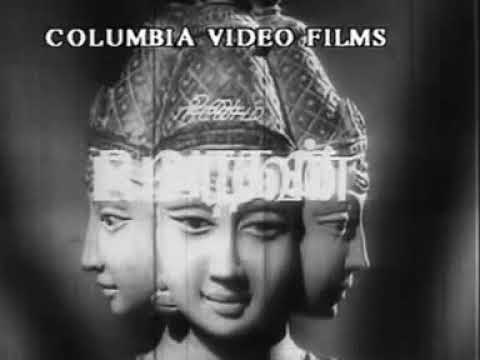
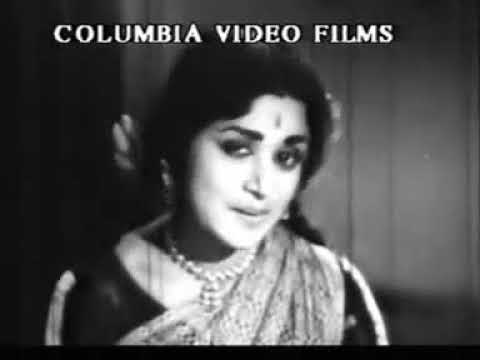
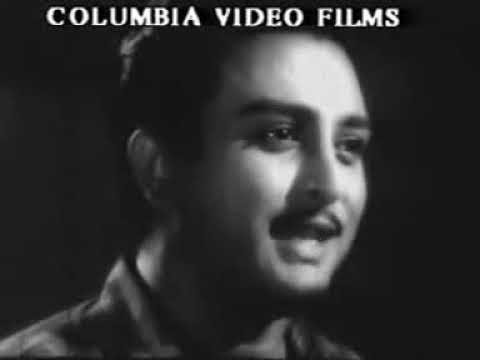
The song Vanangidum Kaikalil is featured in the movie Karpooram.
Who wrote the lyrics for Vanangidum Kaikalil?
The lyrics for Vanangidum Kaikalil were written by Unknown with music composed by Unknown.
Is English translation available for Vanangidum Kaikalil lyrics?
Yes! Vanangidum Kaikalil lyrics from Karpooram include line-by-line English translation, English transliteration, and native Tamil script on Lyricsverse.
What is the meaning of Vanangidum Kaikalil lyrics?
This song is a devotional tribute to Lord Murugan (Kandan/Velan), a prominent deity in Tamil culture. It beautifully intertwines imagery associated with Murugan – his Vel (spear), his peacock mount, and his rooster flag – with profound spiritual concepts. The lyrics begin by quoting the Kandar Sashti Kavasam, emphasizing the power of devotion to overcome suffering and attain spiritual wealth and steadfastness. The song then describes the divine beauty and attributes of Murugan, portraying his hands in prayer as resembling his Vel and his face as pure as milk. The lyrics further evoke a sense of awakening and divine presence, with the rooster on the flag calling devotees to remember Murugan. The dancing peacock symbolizes the anticipation of Murugan's grace, its fanned eyes searching for the Lord. A significant cultural reference is made to Murugan as the origin of Muthamizh (the three forms of Tamil – Iyal, Isai, Nadagam), suggesting his pervasive presence in the language and its joys. The song concludes by celebrating Murugan's iconic six smiling faces and twelve hands, assuring devotees that his grace is always accessible, regardless of how they worship. It's a heartfelt expression of faith, reverence, and cultural pride.
Music Video