
Vanjaga Seigai Nanjinum Lyrics
From the movie Pudhu Vazhvu
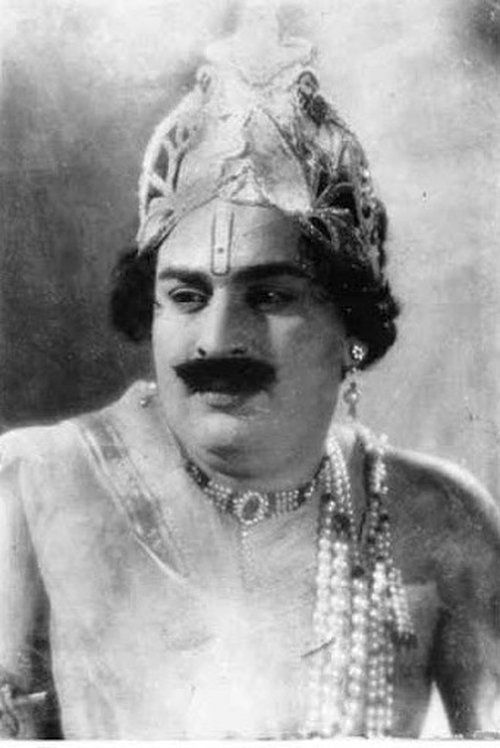
Vanjaga Seigai Nanjinum Song Lyrics is the track from Pudhu Vazhvu Tamil Film – 1957, Starring Madhuri Devi, P. B. Ranagachari, Lalitha, Kumari Thulasi, N. S. Krishnan, T. S. Balaiah, T. S. Durairaj, Ambika Sukumaran, Alvaar Kuppusami, K. N. Kamalam. This song was sung by எம். கே. தியாகராஜ பாகவதர். The music was composed by G. Ramanathan.
Track Credits & Star Cast
Music & Lyrics
Singers
Star Cast


Vanjaga seigai nanjinum kodidhu Nenjamae nee kel …
Kel…konjamum aagadhu
Vanjaga seigai nanjinum kodidhu Vanjaga seigai nanjinum kodidhu
Nenjamae nee kel… Kel konjamum aagadhu
Vanjaga seigai nanjinum kodidhu Nenjamae nee kel konjamum aagadhu
Vanjaga seigai nanjinum kodidhu Nenjamae nee kel konjamum aagadhu
Panja boodhamae sanjarithidum Pirapanjam adhilae anjum aadhalaalae
Vanjaga seigai nanjinum kodidhu Nenjamae nee kel konjamum aagadhu
Ennayae perithendru enni yemaandhen
Igaloga vaazhkai sugathin kootraalae
Annaiyum pidhavum munnaeri deivamaai
Annaiyum pidhavum munnaeri deivamaai
Avvai sonna sollai naanae andhoo marandhenae
Avvai sonna sollai naanae andhoo marandhenae
Vanjaga seigai nanjinum kodidhu Nenjamae nee kel konjamum aagadhu
Song Meaning & Analysis
The song "Vanjaga Seigai Nanjinum" is a profound moral reflection, serving as a cautionary tale against deceit and the pitfalls of worldly attachments. The lyrics repeatedly emphasize that treacherous acts are far more dangerous and destructive than even the deadliest poison, urging the listener's heart to heed this crucial truth. It suggests that such deceit brings no good, implying severe consequences for those who engage in it. The song elevates this warning by stating that even the fundamental five elements of the universe are wary of such imbalance or wrongdoing, underscoring the universal nature of this moral principle.
The latter part of the song takes a personal, confessional tone, where the speaker admits to being deluded by self-importance and the fleeting pleasures of worldly life. This self-realization leads to remorse for having forgotten the timeless wisdom passed down by revered figures like Avvai, particularly the teaching that parents are the foremost deities. The song thus transitions from a general moral admonition to a personal lament, highlighting the regret of straying from fundamental ethical values due to ego and material desires. It serves as a powerful reminder of the importance of humility, respect for elders, and adherence to moral principles over transient worldly gains.
Frequently Asked Questions
Who is the singer of Vanjaga Seigai Nanjinum?
Vanjaga Seigai Nanjinum is sung by எம். கே. தியாகராஜ பாகவதர்.
Which movie is Vanjaga Seigai Nanjinum from?
The song Vanjaga Seigai Nanjinum is featured in the movie Pudhu Vazhvu.
Who wrote the lyrics for Vanjaga Seigai Nanjinum?
The lyrics for Vanjaga Seigai Nanjinum were written by Unknown with music composed by G. Ramanathan.
Is English translation available for Vanjaga Seigai Nanjinum lyrics?
Yes! Vanjaga Seigai Nanjinum lyrics from Pudhu Vazhvu include line-by-line English translation, English transliteration, and native Tamil script on Lyricsverse.
What is the meaning of Vanjaga Seigai Nanjinum lyrics?
The song "Vanjaga Seigai Nanjinum" is a profound moral reflection, serving as a cautionary tale against deceit and the pitfalls of worldly attachments. The lyrics repeatedly emphasize that treacherous acts are far more dangerous and destructive than even the deadliest poison, urging the listener's heart to heed this crucial truth. It suggests that such deceit brings no good, implying severe consequences for those who engage in it. The song elevates this warning by stating that even the fundamental five elements of the universe are wary of such imbalance or wrongdoing, underscoring the universal nature of this moral principle. The latter part of the song takes a personal, confessional tone, where the speaker admits to being deluded by self-importance and the fleeting pleasures of worldly life. This self-realization leads to remorse for having forgotten the timeless wisdom passed down by revered figures like Avvai, particularly the teaching that parents are the foremost deities. The song thus transitions from a general moral admonition to a personal lament, highlighting the regret of straying from fundamental ethical values due to ego and material desires. It serves as a powerful reminder of the importance of humility, respect for elders, and adherence to moral principles over transient worldly gains.
Song Details
More from Pudhu Vazhvu
Aaduthinnanga Adhai
Pudhu Vazhvu • G. Ramanathan
என். எஸ். கிருஷ்ணன் மற்றும் டி. ஏ. மதுரம்
Alavuthan Oru Alavuthan
Pudhu Vazhvu • G. Ramanathan
என். எஸ். கிருஷ்ணன் மற்றும் டி. ஏ. மதுரம்
Annaiyum Thanthaiyum
Pudhu Vazhvu • G. Ramanathan
எம். கே. தியாகராஜ பாகவதர்
Appa Naan Venduthal
Pudhu Vazhvu • G. Ramanathan
எம். கே. தியாகராஜ பாகவதர்
Avasiyam Avasiyam
Pudhu Vazhvu • G. Ramanathan
டி. கஜலக்ஷ்மி
Devi En Kanavum
Pudhu Vazhvu • G. Ramanathan
பி. லீலா