Vanji Ilam Kodiye Lyrics
From the movie Iravu Pookkal
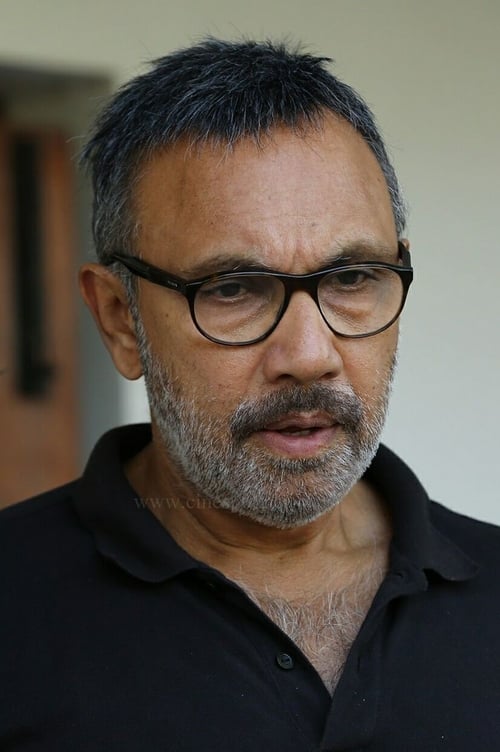
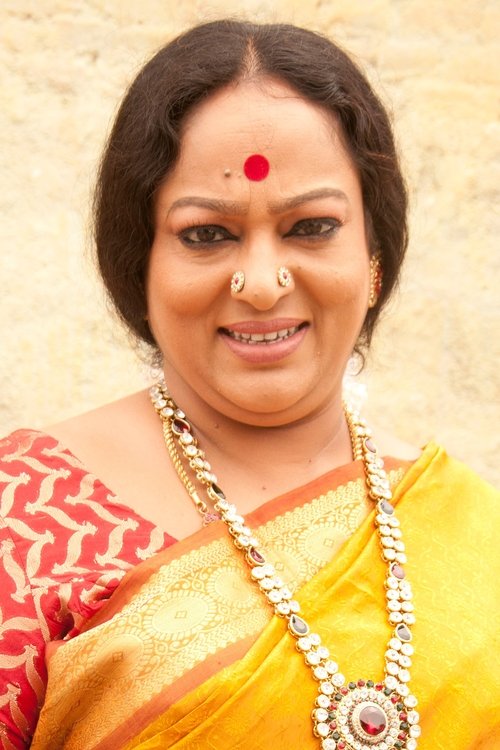
Vanji Ilam Kodiye Song Lyrics is the track from Iravu Pookkal Tamil Film – 1986, Starring Sathyaraj, Nalini, Jeevitha, Anuradha, M. N. Nambiar, Nizhalgal Ravi, Raveendran, Prameela, Y. G. Mahendran, Thideer Kannaiya. This song was sung by கங்கை அமரன் மற்றும் மலேசியா வாசுதேவன். The music was composed by Ilayaraja. Lyrics works penned by Gangai Amaran.
Track Credits & Star Cast
Music & Lyrics
Singers

Vanji ilam kodiyae vanthirukku thoraiyae Vanji ilam kodiyae
Haei haei
Ponnaaga poranthva yaarukku Onnaattam payalukkuththaan
Haeihaei Kanmaaya thorappathu yaarukku
Onnoda vayalukkuththaan Haeihaei
Pondaatti irunthaa vappaatti edhukku Ellaamae adhukku thaandaa
Vappaatti irunthaa pondaatti edhukku Ellaamae idhukku thaandaa
Annan sonnatha keludaa Annanukku veeduthaan naaludaa
Enna venumo keludaa vedikka paarudaa Naalu nalla naaluthaandaa dei
Vanji ilam kodiyae vanthirukku thoraiyae Poonthu
Chinna veedu kattudaa Pudichchaa
Oru thaali kattudaa rasa haei haei
Vanji ilam kodiyae vanthirukku thoraiyae Vanji ilam kodiyae
Podaama irukkura vote-kku Eppothum palanum illae
Haeihaei Koodaama irukkura maattukku
Eppothum madhippu illae Haeihaei
Mann paaththu vedhachchaa Muppogam velainjjaa
Nallaathaan irukkum ooru Tharisu nelaththa velachchalaakka
Podaendaa kalappa yaeru
Innum aayiram saedhithaan Aanaa sonnathu paadhithaan
Naanum solluraen meedhithaan Sonnavan saamithaan
Solvathenna senju kaattu dei
Vanji ilam kodiyae vanthirukku thoraiyae
Vanji ilam kodiyae vanthirukku thoraiyae
Poonthu chinna veedu kattudaa
Pudichchaa oru thaali kattudaa rasa haei haei
Vanji ilam kodiyae Ae
Vanthirukku thoraiyae Ae
Vanji ilam kodiyae
Song Meaning & Analysis
This song, 'Vanji Ilam Kodiye', is a quintessential folk-style number from the 1986 movie 'Iravu Pookkal', characterized by its playful, often metaphorical, and slightly suggestive lyrics. It's a vibrant exchange, likely between a man and a woman or a group of men discussing a woman, using traditional rural imagery and idioms to convey themes of courtship, marriage, and societal roles. The lyrics employ agricultural metaphors, such as opening a lake for a field or yoking a bull, to illustrate ideas of purpose, productivity, and the natural order of life, extending these concepts to human relationships and the act of settling down.
The song's mood is jovial and celebratory, encouraging action and commitment in life and love. It touches upon the journey of finding a partner, establishing a home, and making life fruitful, all imbued with a rustic, earthy charm. The lines about 'wife and mistress' are typical of the era's folk songs, often intended for humor or playful provocation rather than literal interpretation. Overall, it's a lively expression of traditional values and rural life, delivered with a catchy rhythm and engaging wordplay that remains popular.
Frequently Asked Questions
Who is the singer of Vanji Ilam Kodiye?
Vanji Ilam Kodiye is sung by கங்கை அமரன் மற்றும் மலேசியா வாசுதேவன்.
Which movie is Vanji Ilam Kodiye from?
The song Vanji Ilam Kodiye is featured in the movie Iravu Pookkal.
Who wrote the lyrics for Vanji Ilam Kodiye?
The lyrics for Vanji Ilam Kodiye were written by Gangai Amaran with music composed by Ilayaraja.
Is English translation available for Vanji Ilam Kodiye lyrics?
Yes! Vanji Ilam Kodiye lyrics from Iravu Pookkal include line-by-line English translation, English transliteration, and native Tamil script on Lyricsverse.
What is the meaning of Vanji Ilam Kodiye lyrics?
This song, 'Vanji Ilam Kodiye', is a quintessential folk-style number from the 1986 movie 'Iravu Pookkal', characterized by its playful, often metaphorical, and slightly suggestive lyrics. It's a vibrant exchange, likely between a man and a woman or a group of men discussing a woman, using traditional rural imagery and idioms to convey themes of courtship, marriage, and societal roles. The lyrics employ agricultural metaphors, such as opening a lake for a field or yoking a bull, to illustrate ideas of purpose, productivity, and the natural order of life, extending these concepts to human relationships and the act of settling down. The song's mood is jovial and celebratory, encouraging action and commitment in life and love. It touches upon the journey of finding a partner, establishing a home, and making life fruitful, all imbued with a rustic, earthy charm. The lines about 'wife and mistress' are typical of the era's folk songs, often intended for humor or playful provocation rather than literal interpretation. Overall, it's a lively expression of traditional values and rural life, delivered with a catchy rhythm and engaging wordplay that remains popular.