Varumpodhu Medaiyile Lyrics
From the movie Thalattu – 1969 Film
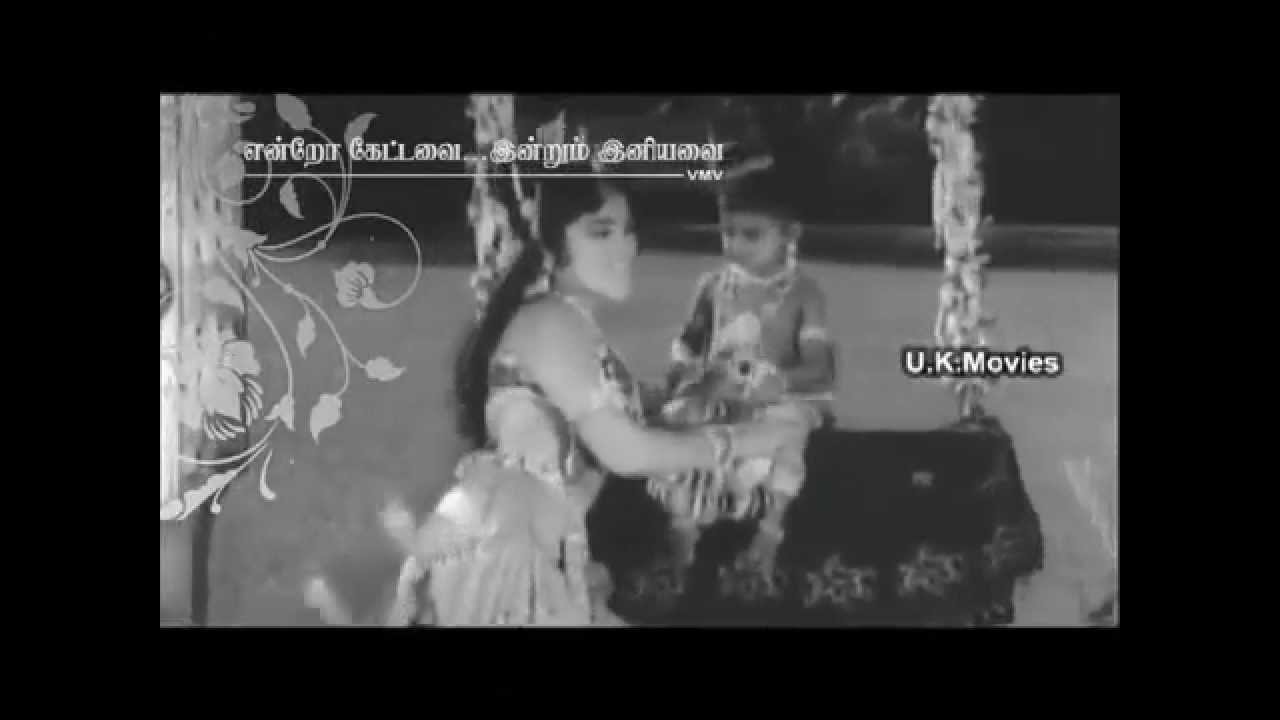
Varumpodhu Medaiyile Song Lyrics is the track from Thalattu – 1969 Film Tamil Film – 1969. This song was sung by சீர்காழி கோவிந்தராஜன். The music was composed by M. L. Srikanth.
Track Credits & Star Cast
Music & Lyrics
Singers
Star Cast
Not Specified
Oorandha mannarukkum ooridathil podhuvudamai
Vaazhvennum payanathin mudivinilae samavurimai
Vaazhnthiruntha thanga udal vaasal thedi poguthamma
Amma …amma…ammaammaa…
Varumbodhu medaiyilae vilayadinom
Ingu mudivaagi pogaiyilae vidai koorinom
Varumbodhu medaiyilae vilayadinom
Ingu mudivaagi pogaiyilae vidai koorinom
Puriyaadha vaazhkaiyilae nadamaadinom
Puriyaadha vaazhkaiyilae nadamaadinom
Ulagil pirappodu kelvikkum idamaaginom
Varumbodhu medaiyilae vilayadinom
Ingu mudivaagi pogaiyilae vidai koorinom
Varuvoorku ulagam thaai veedu Ingu vaazhndhorin kadhai koorum sudukaadu
Varuvoorku ulagam thaai veedu Ingu vaazhndhorin kadhai koorum sudukaadu
Uruvakkum velai avan vilaiyattu Uruvakkum velai avan vilaiyattu
Uyir pirivakkum avan pattu thaalattu
Varumbodhu medaiyilae vilayadinom
Ingu mudivaagi pogaiyilae vidai koorinom
Malaiyaaga iruppathellam aasai vadivam
Adhu mannagum podhu gnyaani vadivam
Malaiyaaga iruppathellam aasai vadivam
Adhu mannagum podhu gnyaani vadivam
Nilaiyaaga manidhan oru kalai vadivam
Uyir nindraalae avanum oru silai vadivam
Varumbodhu medaiyilae vilayadinom Ingu mudivaagi pogaiyilae vidai koorinom
Vidai koorinom vidai koorinom
Song Meaning & Analysis
The song "Varumpodhu Medaiyile" from the 1969 film 'Thalattu' is a profound philosophical reflection on life, death, and the transient nature of human existence. It uses the metaphor of life as a stage where individuals play their roles, arriving to play and departing with a farewell. The lyrics emphasize the ultimate equality of all beings in death, where even kings share a common fate. It portrays the world as a temporary home for the living, while the cremation ground serves as a silent narrator of past lives, highlighting the cyclical nature of birth and demise.
The song delves into the divine play of creation and destruction, suggesting that God's act of taking life is akin to a lullaby, a peaceful end. It contrasts human desires, which are vast like mountains, with the wisdom gained when these desires turn to dust. Ultimately, it posits that humans are temporary works of art, becoming mere statues once life departs, underscoring the fragility and impermanence of physical existence. The repeated refrain of playing on life's stage and bidding farewell upon departure encapsulates the song's central theme of life as a fleeting performance.
Frequently Asked Questions
Who is the singer of Varumpodhu Medaiyile?
Varumpodhu Medaiyile is sung by சீர்காழி கோவிந்தராஜன்.
Which movie is Varumpodhu Medaiyile from?
The song Varumpodhu Medaiyile is featured in the movie Thalattu – 1969 Film.
Who wrote the lyrics for Varumpodhu Medaiyile?
The lyrics for Varumpodhu Medaiyile were written by Unknown with music composed by M. L. Srikanth.
Is English translation available for Varumpodhu Medaiyile lyrics?
Yes! Varumpodhu Medaiyile lyrics from Thalattu – 1969 Film include line-by-line English translation, English transliteration, and native Tamil script on Lyricsverse.
What is the meaning of Varumpodhu Medaiyile lyrics?
The song "Varumpodhu Medaiyile" from the 1969 film 'Thalattu' is a profound philosophical reflection on life, death, and the transient nature of human existence. It uses the metaphor of life as a stage where individuals play their roles, arriving to play and departing with a farewell. The lyrics emphasize the ultimate equality of all beings in death, where even kings share a common fate. It portrays the world as a temporary home for the living, while the cremation ground serves as a silent narrator of past lives, highlighting the cyclical nature of birth and demise. The song delves into the divine play of creation and destruction, suggesting that God's act of taking life is akin to a lullaby, a peaceful end. It contrasts human desires, which are vast like mountains, with the wisdom gained when these desires turn to dust. Ultimately, it posits that humans are temporary works of art, becoming mere statues once life departs, underscoring the fragility and impermanence of physical existence. The repeated refrain of playing on life's stage and bidding farewell upon departure encapsulates the song's central theme of life as a fleeting performance.