Vilakkillamal Kanakkezhuthi Lyrics
From the movie Thalattu – 1969 Film
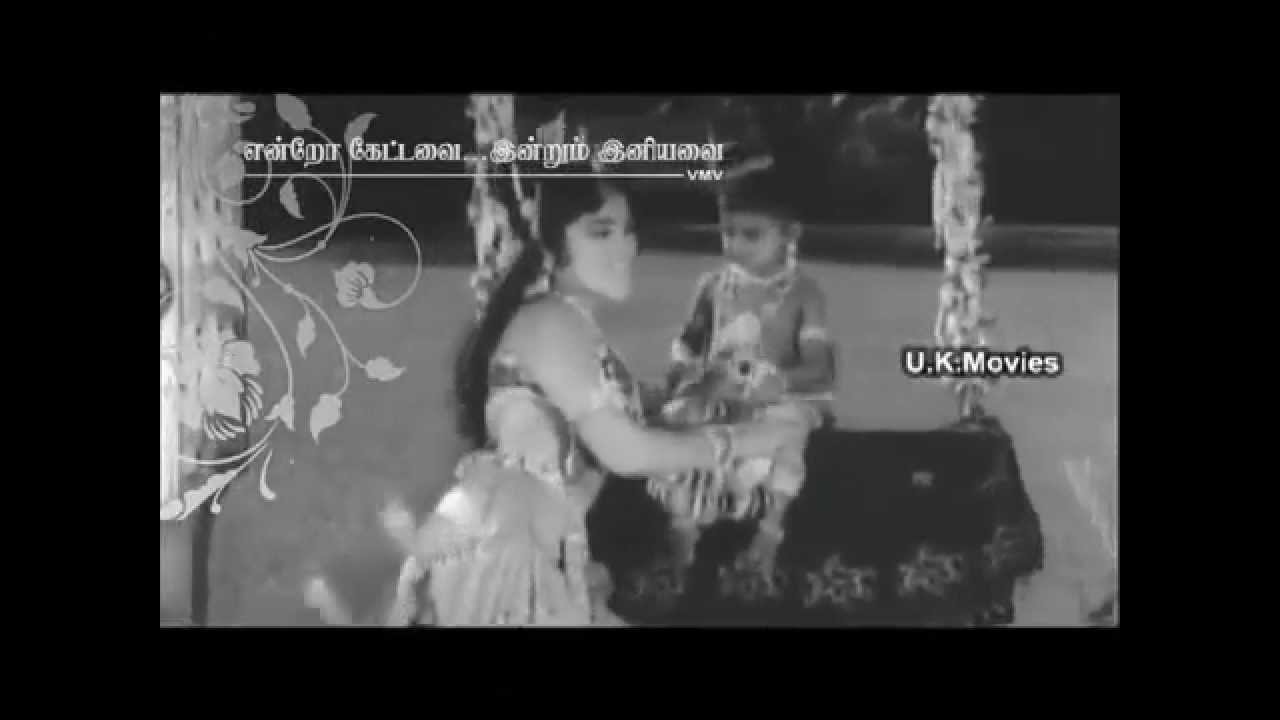
Vilakkillamal Kanakkezhuthi Song Lyrics is the track from Thalattu – 1969 Film Tamil Film – 1969. This song was sung by டி. எம். சௌந்தர்ராஜன். The music was composed by M. L. Srikanth.
Track Credits & Star Cast
Music & Lyrics
Singers
Star Cast
Not Specified
Oorellaam veruthaalum Un manadhil paasam undu
Unmaiyellaam maraindhaalum Un nizhalil needhiyundu
Un nizhalae maraindhu vittaal Yaar nizhalil naan iruppen
Yaar nizhalil naan iruppen
Vilakkilaamal kanakkezhudhi En vaazhkai amaithaaya kannaa
Vaazhkai amaithaaya Vilakkilaamal kanakkezhudhi
En vaazhkai amaithaaya kannaa Vaazhkai amaithaaya
Veru vazhiyillamal manidhan vadivil Ennai padaithaayaa kannaa
Ennai padaithaayaa
Vilakkilaamal kanakkezhudhi En vaazhkai amaithaaya
Thookku medai yeriya pinnae Saatchi venduma kanna saatchi venduma
Thookku medai yeriya pinnae Saatchi venduma kanna saatchi venduma
Neruppu koottin melae vizhundha pinnae Paravai vaazhumaa kanna paravai vaazhumaa
Vilakkilaamal kanakkezhudhi En vaazhkai amaithaaya
Midhithu edutha malargal meendum
Sarangal aagumaa kanna sarangal aagumaa
Midhithu edutha malargal meendum
Sarangal aagumaa kanna sarangal aagumaa
Pozhudhu vidindha pinnae nilavu kodukkum
Velicham vendumaa kanna velicham vendumaa
Vilakkilaamal kanakkezhudhi En vaazhkai amaithaaya kanna
Vaazhkai amaithaaya
Song Meaning & Analysis
The song "Vilakkillamal Kanakkezhuthi" is a profound and melancholic lament, a direct and heartfelt questioning of fate and divine will, addressed to Krishna. The central metaphor, "writing accounts without a lamp," powerfully conveys the singer's feeling that his destiny was crafted in darkness, without clarity, fairness, or foresight. He expresses a deep sense of injustice and abandonment, wondering why he was created in a human form only to endure such a predetermined and bleak existence. The lyrics reflect a soul grappling with suffering, seeking answers from a higher power that seems to have orchestrated his life's path in an arbitrary and cruel manner.
Through a series of poignant rhetorical questions, the song emphasizes the irreversible nature of his plight and the futility of seeking solace or change once a dire fate has been sealed. Questions like "After ascending the gallows, is a witness needed?" and "Will trampled flowers again become garlands?" highlight the irreparable damage and the pointlessness of belated interventions. The song is a powerful expression of despair, a philosophical inquiry into the nature of suffering, and a cry for understanding from a seemingly indifferent universe, resonating with anyone who has felt their life's path was unfairly predetermined.
Frequently Asked Questions
Who is the singer of Vilakkillamal Kanakkezhuthi?
Vilakkillamal Kanakkezhuthi is sung by டி. எம். சௌந்தர்ராஜன்.
Which movie is Vilakkillamal Kanakkezhuthi from?
The song Vilakkillamal Kanakkezhuthi is featured in the movie Thalattu – 1969 Film.
Who wrote the lyrics for Vilakkillamal Kanakkezhuthi?
The lyrics for Vilakkillamal Kanakkezhuthi were written by Unknown with music composed by M. L. Srikanth.
Is English translation available for Vilakkillamal Kanakkezhuthi lyrics?
Yes! Vilakkillamal Kanakkezhuthi lyrics from Thalattu – 1969 Film include line-by-line English translation, English transliteration, and native Tamil script on Lyricsverse.
What is the meaning of Vilakkillamal Kanakkezhuthi lyrics?
The song "Vilakkillamal Kanakkezhuthi" is a profound and melancholic lament, a direct and heartfelt questioning of fate and divine will, addressed to Krishna. The central metaphor, "writing accounts without a lamp," powerfully conveys the singer's feeling that his destiny was crafted in darkness, without clarity, fairness, or foresight. He expresses a deep sense of injustice and abandonment, wondering why he was created in a human form only to endure such a predetermined and bleak existence. The lyrics reflect a soul grappling with suffering, seeking answers from a higher power that seems to have orchestrated his life's path in an arbitrary and cruel manner. Through a series of poignant rhetorical questions, the song emphasizes the irreversible nature of his plight and the futility of seeking solace or change once a dire fate has been sealed. Questions like "After ascending the gallows, is a witness needed?" and "Will trampled flowers again become garlands?" highlight the irreparable damage and the pointlessness of belated interventions. The song is a powerful expression of despair, a philosophical inquiry into the nature of suffering, and a cry for understanding from a seemingly indifferent universe, resonating with anyone who has felt their life's path was unfairly predetermined.