
Yaaradaa Manithan Inge Lyrics
From the movie Lakshmi Kalyanam
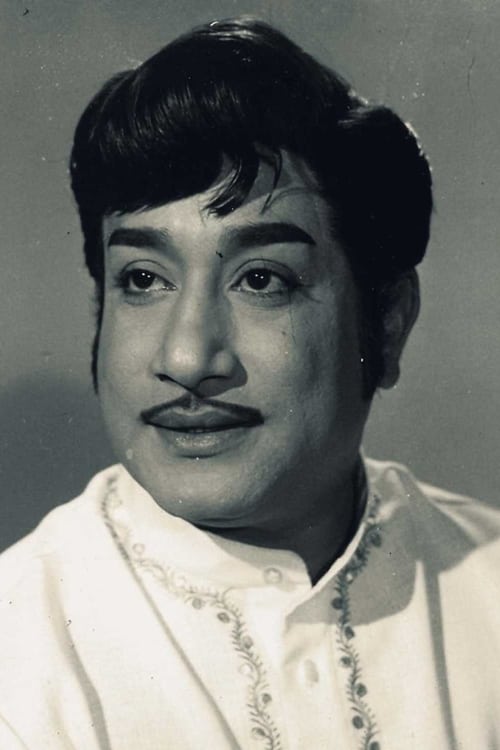
Yaaradaa Manithan Inge Song Lyrics is the track from Lakshmi Kalyanam Tamil Film – 1968, Starring Sivaji Ganesan, Sowcar Janaki, Vennira Aadai Nirmala, K. Balaji, M. N. Nambiar, Major Sundarrajan, V. K. Ramasamy, V. S. Raghavan, S. V. Ramadas, V. Gopalakrishnan. This song was sung by டி. எம். சௌந்தரராஜன். The music was composed by M. S. Vishwanathan. Lyrics works penned by Kannadasan.
Track Credits & Star Cast
Music & Lyrics
Singers
Star Cast


Yaaradaa manidhan ingae Kootti vaa avanai ingae
Iraivan padaippil Kurangu thaan meedhi ingae
Yaaradaa manidhan ingae Kootti vaa avanai ingae
Iraivan padaippil Kurangu thaan meedhi ingae
Manidharil naaigal undu Manadhinil narigal undu
Manidharil naaigal undu Manadhinil narigal undu
Paarvaiyil puligal undu Pazhakkathil paambum undu
Paarvaiyil puligal undu Pazhakkathil paambum undu
Naayum nariyum puliyum paambum Vaazhum boomiyilae
Maanam panbu nyaanam konda Manidhanai kaanavillai
Yaaradaa manidhan ingae Kootti vaa avanai ingae
Iraivan padaippil Kurangu thaan meedhi ingae
Sirippinil manidhanillai Azhugaiyil manidhanillai
Sirippinil manidhanillai Azhugaiyil manidhanillai
Ullathil manidhanillai Urakkathil manidhanundu
Ullathil manidhanillai Urakkathil manidhanundu
Vaazhum mirugam thoongum dheivam Naduvae manidhanadaa
Engo oruvan irundhaal avanai Ulagam vanangumadaa
Yaaradaa manidhan ingae Kootti vaa avanai ingae
Iraivan padaippil Kurangu thaan meedhi ingae
Song Meaning & Analysis
This profound song, 'Yaaradaa Manithan Inge,' is a cynical yet deeply philosophical quest for true humanity. The lyrics lament the absence of genuine human qualities in society, suggesting that people often exhibit the traits of animals—dogs, foxes, tigers, and snakes—rather than honor, culture, and wisdom. It challenges the listener to identify a 'man' in a world seemingly populated by those driven by base instincts, highlighting a pervasive moral decay and the rarity of virtuous individuals.
The song further explores the paradox of human existence, stating that man is not found in outward expressions like laughter or tears, nor in the conscious heart, but perhaps only in the innocence of sleep. It portrays humanity as a complex state, caught between a 'living beast' and a 'sleeping god,' implying both primal instincts and divine potential. The poignant conclusion suggests that if a truly honorable and wise human being were to exist, the world would revere them, underscoring the song's central theme: the profound scarcity of authentic humanity in a world full of human forms.
Frequently Asked Questions
Who is the singer of Yaaradaa Manithan Inge?
Yaaradaa Manithan Inge is sung by டி. எம். சௌந்தரராஜன்.
Which movie is Yaaradaa Manithan Inge from?
The song Yaaradaa Manithan Inge is featured in the movie Lakshmi Kalyanam.
Who wrote the lyrics for Yaaradaa Manithan Inge?
The lyrics for Yaaradaa Manithan Inge were written by Kannadasan with music composed by M. S. Vishwanathan.
Is English translation available for Yaaradaa Manithan Inge lyrics?
Yes! Yaaradaa Manithan Inge lyrics from Lakshmi Kalyanam include line-by-line English translation, English transliteration, and native Tamil script on Lyricsverse.
What is the meaning of Yaaradaa Manithan Inge lyrics?
This profound song, 'Yaaradaa Manithan Inge,' is a cynical yet deeply philosophical quest for true humanity. The lyrics lament the absence of genuine human qualities in society, suggesting that people often exhibit the traits of animals—dogs, foxes, tigers, and snakes—rather than honor, culture, and wisdom. It challenges the listener to identify a 'man' in a world seemingly populated by those driven by base instincts, highlighting a pervasive moral decay and the rarity of virtuous individuals. The song further explores the paradox of human existence, stating that man is not found in outward expressions like laughter or tears, nor in the conscious heart, but perhaps only in the innocence of sleep. It portrays humanity as a complex state, caught between a 'living beast' and a 'sleeping god,' implying both primal instincts and divine potential. The poignant conclusion suggests that if a truly honorable and wise human being were to exist, the world would revere them, underscoring the song's central theme: the profound scarcity of authentic humanity in a world full of human forms.