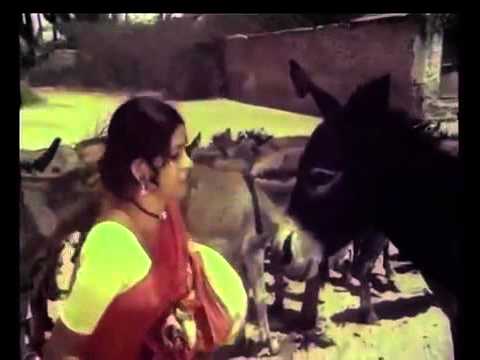
Boomadevi Pole Vazhum Lyrics
From the movie Pancha Kalyani
Boomadevi Pole Vazhum Song Lyrics is the track from Pancha Kalyani Tamil Film – 1979. This song was sung by எஸ். பி. பாலசுப்ரமண்யம். The music was composed by Shyam. Lyrics works penned by B. A. Chidambaranathan.
Track Credits & Star Cast
Music & Lyrics
Singers
Star Cast
Not Specified
Naa…nanana Booma devi polae vaazhum jeevan neethaanae
Booma devi polae vaazhum jeevan neethaanae Aaram arivai thaeraa manithan
Niyaayam maranthaanae ae ae Aaram arivai thaeraa manithan
Niyaayam maranthaanae ho Booma devi polae vaazhum jeevan neethaanae
Dhaagam theerkum megam polae neeyum vanthaayae
Dhaagam theerkum megam polae neeyum vanthaayae
Odam pole ae ae ae ae… nananaa aa aa aa aa
Odam polae… oaram saainthu sogam thanthaayae…
Jaathi baetham oorai vaattum
Kaalam maaraatho nalla naalum vaaraatho
Naalum vaaraatho…
Booma devi polae vaazhum jeevan neethaanae
Thiyagam seithae theindha unnai veesi erinthaalae
Thiyagam seithae theindha unnai veesi erinthaalae
Paavi manithann nananaa aa aa aa aa
Paavi manithan paava cheyalai neeyum marappaayae
Jaathi baetham oorai vaattum
Kaalam maaraatho nalla naalum vaaraatho
Naalum vaaraatho…
Booma devi polae vaazhum jeevan neethaanae
Aaram arivai thaeraa manithan
Niyaayam maranthaanae ae ae
Aaram arivai thaeraa manithan
Niyaayam maranthaanae ho
Booma devi polae vaazhum jeevan neethaanae
Jeevan neethaanae jeevan neethaanae jeevan neethaanae
Song Meaning & Analysis
This poignant song is a heartfelt ode to a benevolent entity, personified as 'life' itself, likened to Bhoomadevi, the Earth Goddess, for its nurturing and sacrificing nature. It laments the injustice and ingratitude shown by humanity, specifically criticizing the 'ignorant man' who, despite possessing the sixth sense of intellect, has forgotten the principles of justice and fairness. The lyrics express a deep sorrow over the suffering inflicted upon this pure entity, which, like a thirst-quenching cloud, brings solace but is met with pain.
The song also serves as a social commentary, directly addressing the pervasive issue of caste discrimination that 'plagues the village.' It poses a rhetorical question, yearning for a time when these societal divisions will cease and 'good days' will finally arrive. Despite the betrayal and exploitation, there's a hint of forgiveness, suggesting that the benevolent 'life' will overlook the 'sinful deeds.' Overall, the song is a melancholic yet hopeful plea for humanity to recognize its folly, embrace justice, and usher in an era of equality and compassion.
Frequently Asked Questions
Who is the singer of Boomadevi Pole Vazhum?
Boomadevi Pole Vazhum is sung by எஸ். பி. பாலசுப்ரமண்யம்.
Which movie is Boomadevi Pole Vazhum from?
The song Boomadevi Pole Vazhum is featured in the movie Pancha Kalyani.
Who wrote the lyrics for Boomadevi Pole Vazhum?
The lyrics for Boomadevi Pole Vazhum were written by B. A. Chidambaranathan with music composed by Shyam.
Is English translation available for Boomadevi Pole Vazhum lyrics?
Yes! Boomadevi Pole Vazhum lyrics from Pancha Kalyani include line-by-line English translation, English transliteration, and native Tamil script on Lyricsverse.
What is the meaning of Boomadevi Pole Vazhum lyrics?
This poignant song is a heartfelt ode to a benevolent entity, personified as 'life' itself, likened to Bhoomadevi, the Earth Goddess, for its nurturing and sacrificing nature. It laments the injustice and ingratitude shown by humanity, specifically criticizing the 'ignorant man' who, despite possessing the sixth sense of intellect, has forgotten the principles of justice and fairness. The lyrics express a deep sorrow over the suffering inflicted upon this pure entity, which, like a thirst-quenching cloud, brings solace but is met with pain. The song also serves as a social commentary, directly addressing the pervasive issue of caste discrimination that 'plagues the village.' It poses a rhetorical question, yearning for a time when these societal divisions will cease and 'good days' will finally arrive. Despite the betrayal and exploitation, there's a hint of forgiveness, suggesting that the benevolent 'life' will overlook the 'sinful deeds.' Overall, the song is a melancholic yet hopeful plea for humanity to recognize its folly, embrace justice, and usher in an era of equality and compassion.