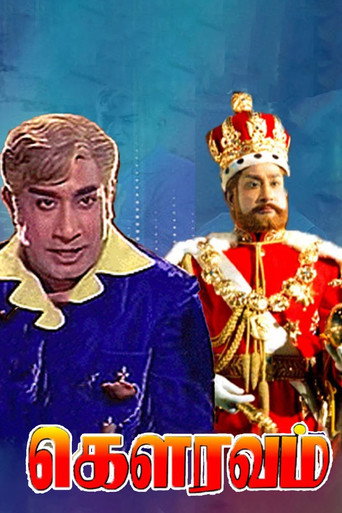
Kanna Neeyum Lyrics
From the movie Gauravam
Kanna Neeyum Song Lyrics is the track from Gauravam Tamil Film – 1973, Starring Sivaji Ganesan, Usha Nandhini, Pandari Bai, Major Sundarrajan, V. K. Ramasamy, Nagesh, Senthamarai, Rama Prabha, Jayakumari, Y. G. Mahendran. This song was sung by டி.எம். சௌந்தரராஜன். The music was composed by M.S. Viswanathan. Lyrics works penned by Kannadasan.
Track Credits & Star Cast
Music & Lyrics
Singers
Star Cast


Kannaa { Neeyum naanumaa
Kanna neeyum naanumaa } (2)
{ Kaalam Maarinaal gouravam
Maarumaa } (2)
Never
Neeyum naanumaa Kanna neeyum naanumaa
{ Arivai Koduthadho
Dhronarin gouravam } (2)
Avar mel Thoduthadhae
Arjunan gouravam
{ Nadanthadhu Andha naal mudinthadha
Bharatham } (2)
Naalaiya Bharatham yaar
Adhan kaaranam
Neeyum naanumaa Kanna neeyum naanumaa
{ Moondradi Man kettan vamanan
Ulagilae } (2)
Moondrena Vaithadho mannavan
Thalaiyilae
{ Valartha En kannano
Thandhaiyin nenjilae } (2)
Maarum Avathaaramae
Idhu thaan ulagilae
Neeyum naanumaa Kanna neeyum naanumaa
{ Mannanin Gouravam chadhuranga
Naduvilae
Marikindra Senaiyo pillayin vadivilae } (2)
Aagatum Paarkalam aatathin
Mudivilae arubadhai Irubadhu velluma ulagilae
Song Meaning & Analysis
This song, "Kanna Neeyum" from the 1973 film 'Gauravam', is a profound philosophical debate, likely between the father and son characters played by Sivaji Ganesan. It delves into the timeless question of whether honor (gouravam) remains constant despite changing times. The lyrics draw heavily from Hindu epics and mythology, referencing Dronacharya and Arjuna's conflict in the Mahabharata to question the nature of duty, knowledge, and righteous war. It also alludes to the Vamana avatar, where a seemingly small request leads to a monumental outcome, symbolizing how seemingly minor actions can have vast consequences or how power dynamics shift.
The song culminates in a powerful metaphor of a chessboard, where the king's honor is at stake and the 'dying army' is likened to children, perhaps representing the younger generation sacrificed for older ideals. The poignant challenge, "Will twenty defeat sixty in this world?", encapsulates the core theme: the clash between traditional values, experience, and the fresh perspectives of youth. It's an introspective piece that explores the complexities of legacy, generational conflict, and the enduring relevance of ethical principles in a changing world, all set against the backdrop of a legal drama.
Frequently Asked Questions
Who is the singer of Kanna Neeyum?
Kanna Neeyum is sung by டி.எம். சௌந்தரராஜன்.
Which movie is Kanna Neeyum from?
The song Kanna Neeyum is featured in the movie Gauravam.
Who wrote the lyrics for Kanna Neeyum?
The lyrics for Kanna Neeyum were written by Kannadasan with music composed by M.S. Viswanathan.
Is English translation available for Kanna Neeyum lyrics?
Yes! Kanna Neeyum lyrics from Gauravam include line-by-line English translation, English transliteration, and native Tamil script on Lyricsverse.
What is the meaning of Kanna Neeyum lyrics?
This song, "Kanna Neeyum" from the 1973 film 'Gauravam', is a profound philosophical debate, likely between the father and son characters played by Sivaji Ganesan. It delves into the timeless question of whether honor (gouravam) remains constant despite changing times. The lyrics draw heavily from Hindu epics and mythology, referencing Dronacharya and Arjuna's conflict in the Mahabharata to question the nature of duty, knowledge, and righteous war. It also alludes to the Vamana avatar, where a seemingly small request leads to a monumental outcome, symbolizing how seemingly minor actions can have vast consequences or how power dynamics shift. The song culminates in a powerful metaphor of a chessboard, where the king's honor is at stake and the 'dying army' is likened to children, perhaps representing the younger generation sacrificed for older ideals. The poignant challenge, "Will twenty defeat sixty in this world?", encapsulates the core theme: the clash between traditional values, experience, and the fresh perspectives of youth. It's an introspective piece that explores the complexities of legacy, generational conflict, and the enduring relevance of ethical principles in a changing world, all set against the backdrop of a legal drama.