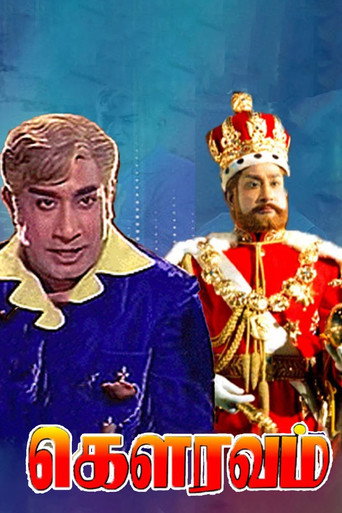
Palootti Valartha Kili Lyrics
From the movie Gauravam
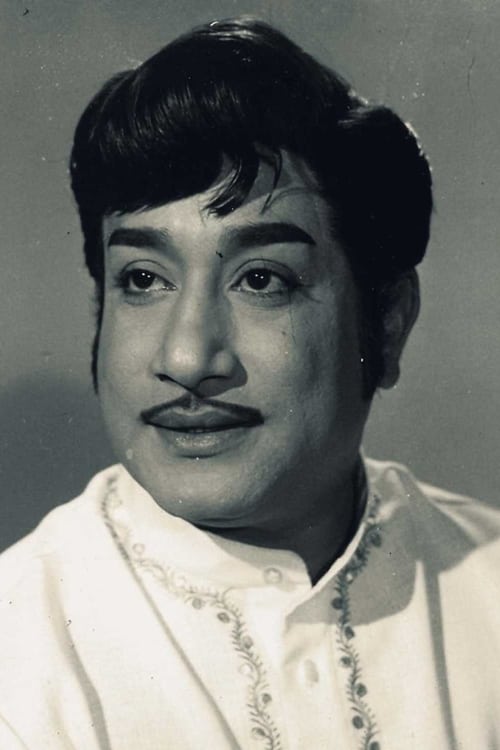
Palootti Valartha Kili Song Lyrics is the track from Gauravam Tamil Film – 1973, Starring Sivaji Ganesan, Usha Nandhini, Pandari Bai, Major Sundarrajan, V. K. Ramasamy, Nagesh, Senthamarai, Rama Prabha, Jayakumari, Y. G. Mahendran. This song was sung by டி.எம். சௌந்தரராஜன். The music was composed by M.S. Viswanathan. Lyrics works penned by Kannadasan.
Track Credits & Star Cast
Music & Lyrics
Singers
Star Cast


{ Palooti valartha kili Pazhankoduthu paartha kili } (2)
{ Naan valartha pachai kili Naalai varum katcheriku } (2)
{ Chellama Endhan chellama } (2)
{ Sattamum Naan uraithen
Thairiyamum naan kuduthen } (2)
{ Pattam Matum vaangi vandhu
Paaindhu sella paarkudhadi } (2)
Chellama Endhan chellama
Palooti valartha kili Pazhankoduthu paartha kili
Naan valartha pachai kili Naalai varum katcheriku
Chellama Endhan chellama
{ Needhikae Thunindhu nindren
Ninaithadhellam jeithu vandhen } (2)
{ Vedhanaiku Oru maganai
Veetinilae valarthu vandhen } (2)
{ Chellama Endhan chellama } (2)
Palooti valartha kili Pazhankoduthu paartha kili
Naan valartha pachai kili Naalai varum katcheriku
Chellama Endhan chellama
{ Aandavan Sodhanaiyo yaar
Kodutha bodhanaiyo } (2)
{ Theeyilae Irangi vittan thirumba
Vandhu thaal panivan } (2)
Sathiyam Idhu sathiyam
Chellama Endhan chellama
Palooti valartha kili Pazhankoduthu paartha kili
Naan valartha pachai kili Naalai varum katcheriku
{ Chellama Endhan chellama } (2)
Song Meaning & Analysis
This poignant song from the 1973 film 'Gauravam' is a heartfelt lament from a father, a seasoned lawyer, about his son. The lyrics metaphorically compare the son to a parrot lovingly nurtured with milk and fruits, representing the father's immense care and guidance. The father expresses his deep disappointment and pain as his son, whom he taught law and instilled courage, now stands against him in court, seemingly driven by arrogance after acquiring his own degree. The song captures the anguish of a parent who sees his own flesh and blood, whom he raised with high ideals of justice, becoming a source of sorrow and opposition.
The song further delves into the father's unwavering commitment to justice throughout his life and his bewilderment at his son's current path. He questions whether this is a divine test or the result of external negative influences. Despite the current conflict, there's an underlying hope and conviction that his son, having ventured into a difficult situation ("stepped into the fire"), will eventually realize his mistake and return to seek his father's guidance and forgiveness. The repeated address to "Chellama" (a term of endearment) underscores the personal and emotional depth of his internal struggle and sorrow.
Frequently Asked Questions
Who is the singer of Palootti Valartha Kili?
Palootti Valartha Kili is sung by டி.எம். சௌந்தரராஜன்.
Which movie is Palootti Valartha Kili from?
The song Palootti Valartha Kili is featured in the movie Gauravam.
Who wrote the lyrics for Palootti Valartha Kili?
The lyrics for Palootti Valartha Kili were written by Kannadasan with music composed by M.S. Viswanathan.
Is English translation available for Palootti Valartha Kili lyrics?
Yes! Palootti Valartha Kili lyrics from Gauravam include line-by-line English translation, English transliteration, and native Tamil script on Lyricsverse.
What is the meaning of Palootti Valartha Kili lyrics?
This poignant song from the 1973 film 'Gauravam' is a heartfelt lament from a father, a seasoned lawyer, about his son. The lyrics metaphorically compare the son to a parrot lovingly nurtured with milk and fruits, representing the father's immense care and guidance. The father expresses his deep disappointment and pain as his son, whom he taught law and instilled courage, now stands against him in court, seemingly driven by arrogance after acquiring his own degree. The song captures the anguish of a parent who sees his own flesh and blood, whom he raised with high ideals of justice, becoming a source of sorrow and opposition. The song further delves into the father's unwavering commitment to justice throughout his life and his bewilderment at his son's current path. He questions whether this is a divine test or the result of external negative influences. Despite the current conflict, there's an underlying hope and conviction that his son, having ventured into a difficult situation ("stepped into the fire"), will eventually realize his mistake and return to seek his father's guidance and forgiveness. The repeated address to "Chellama" (a term of endearment) underscores the personal and emotional depth of his internal struggle and sorrow.